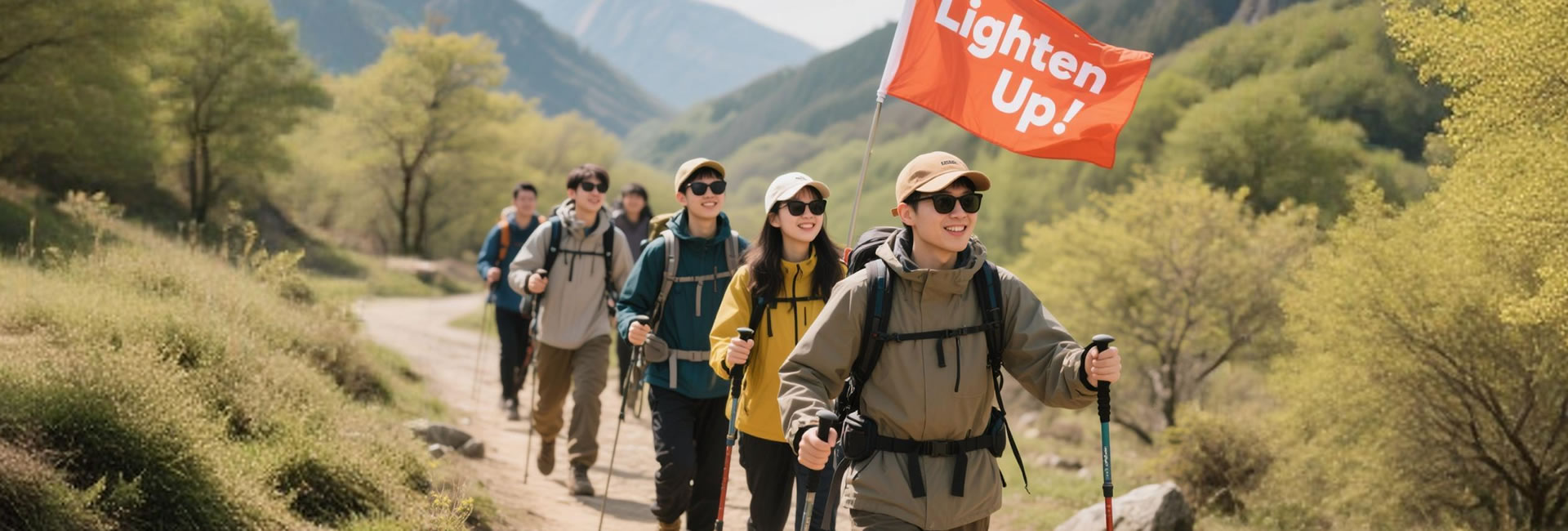


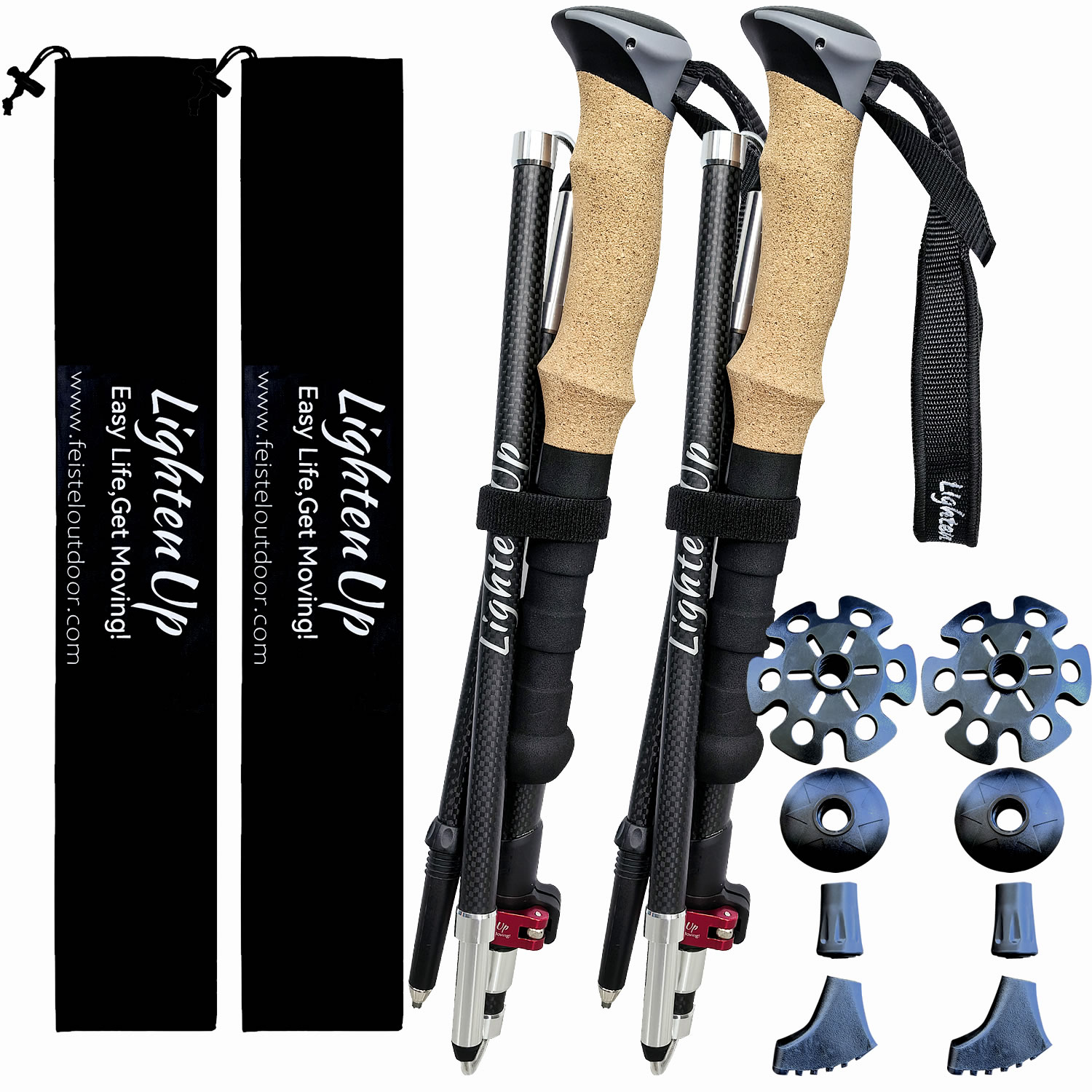
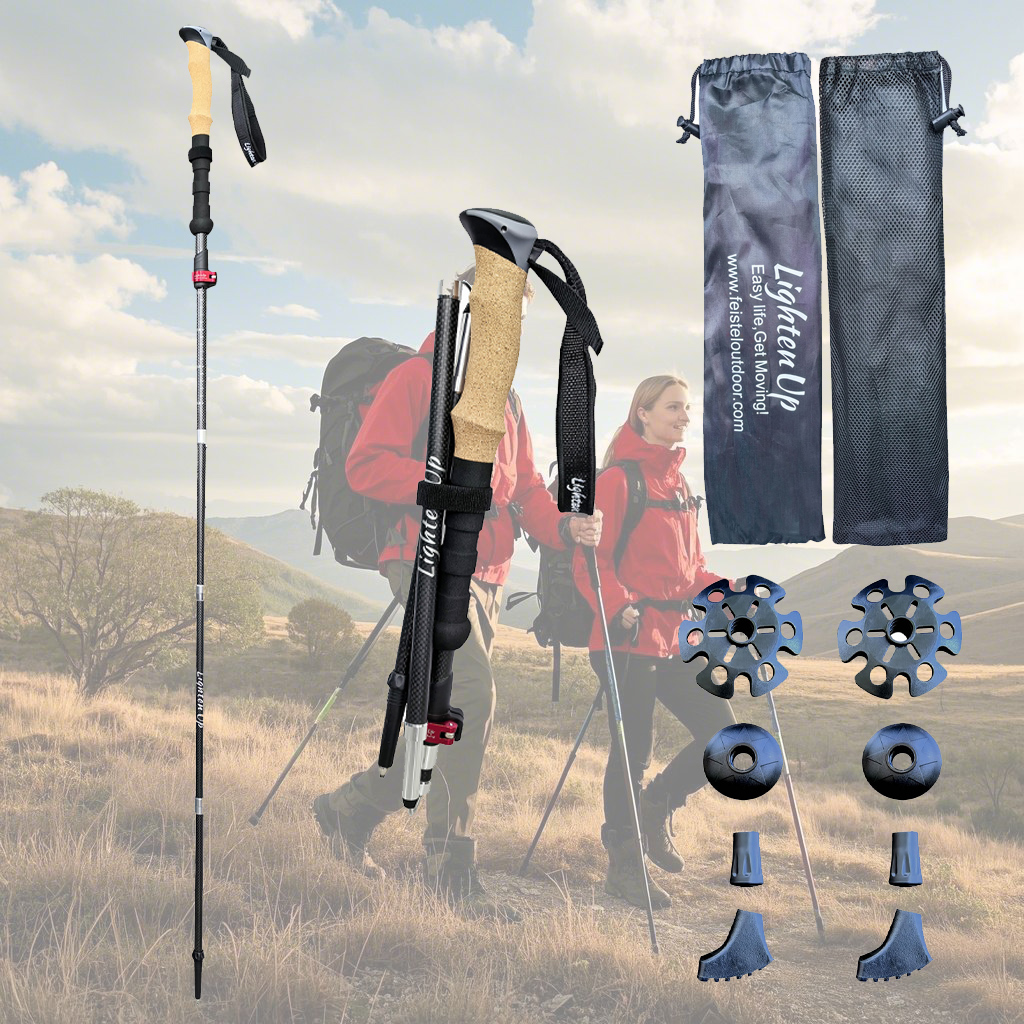
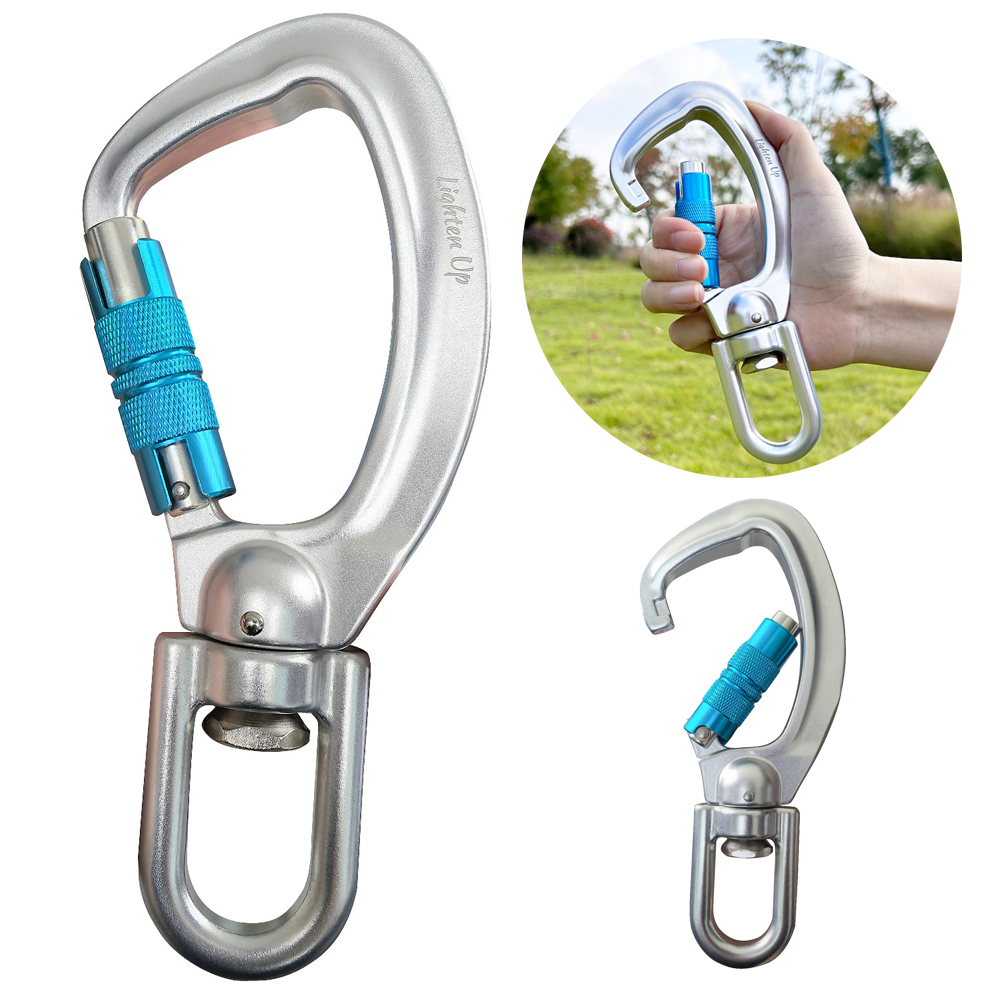
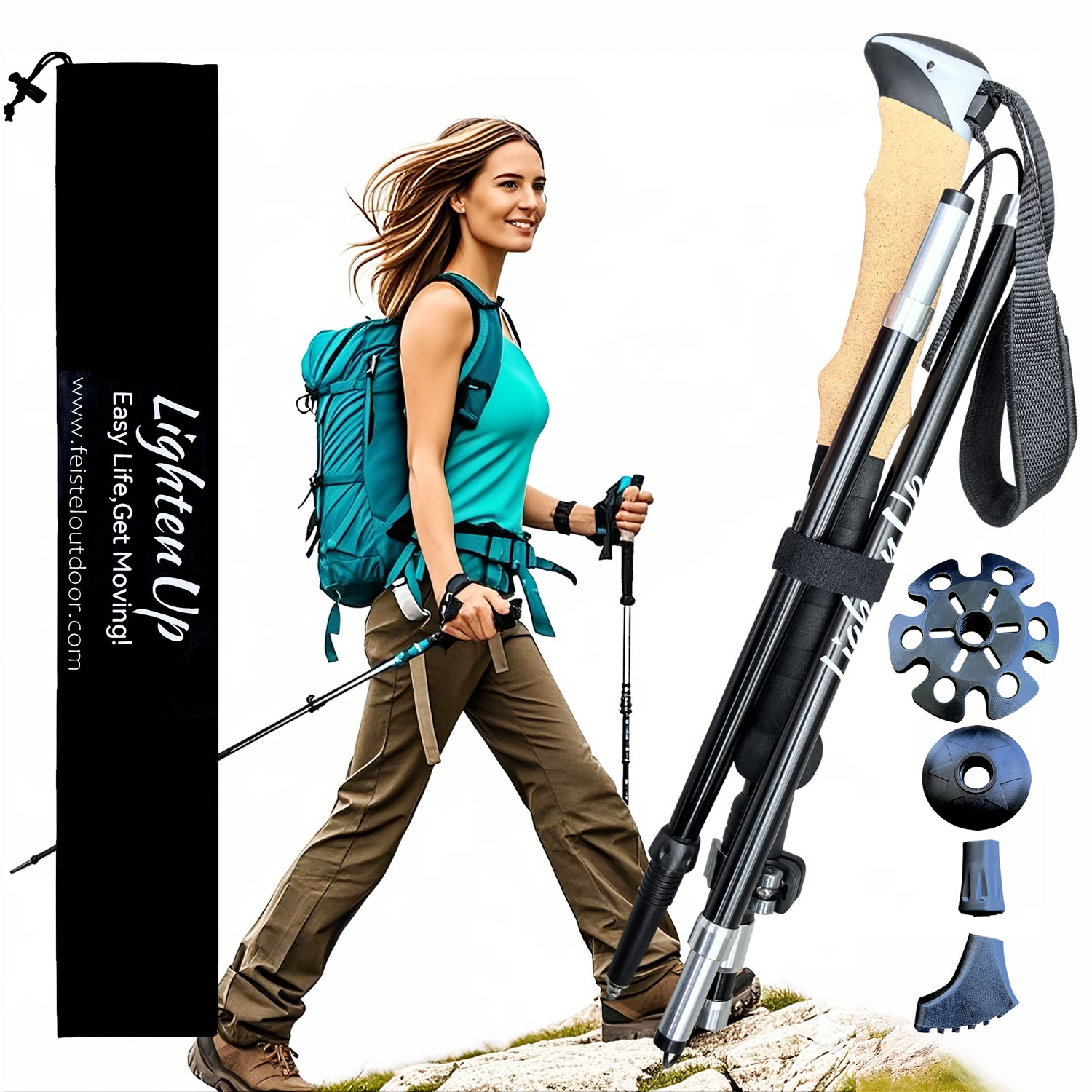
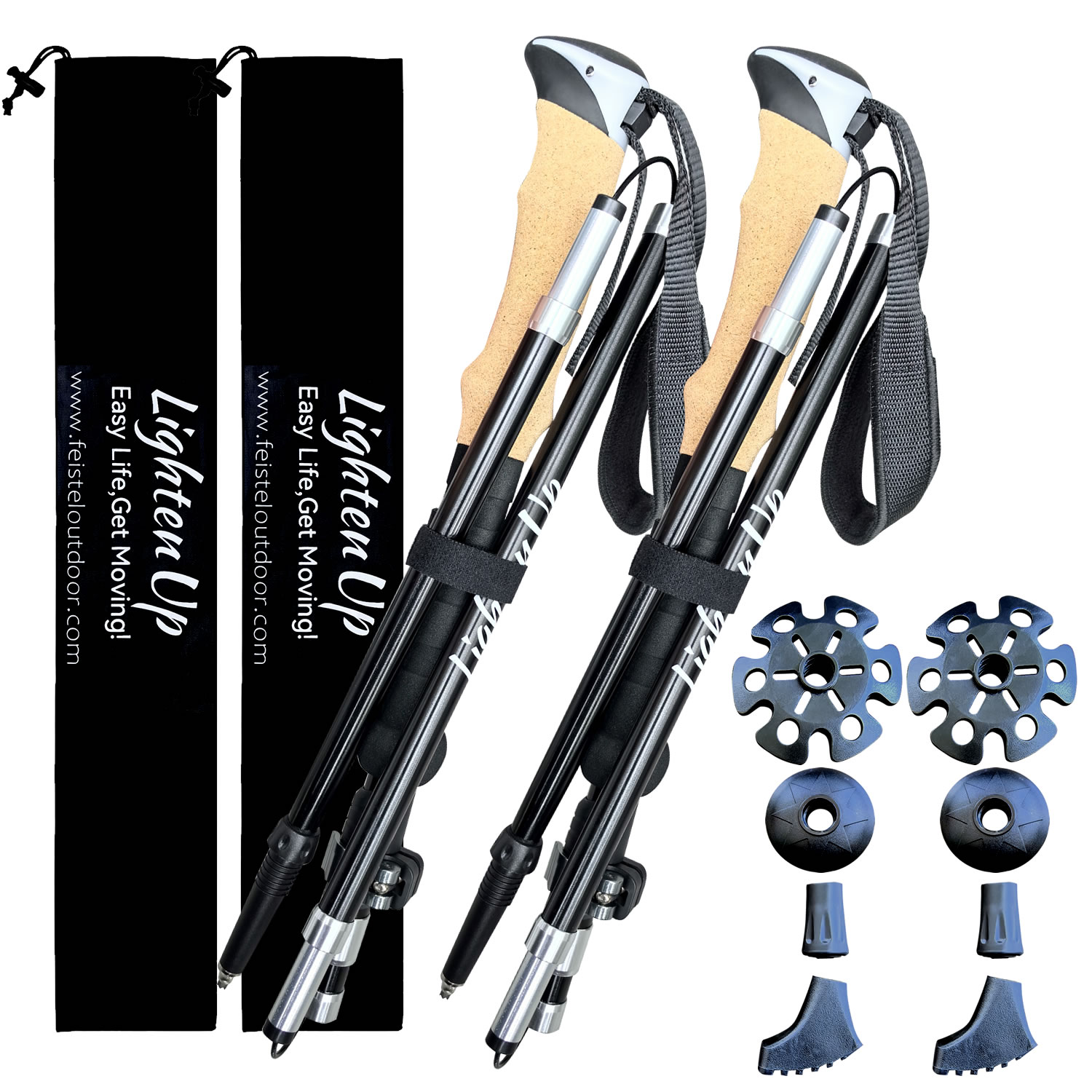
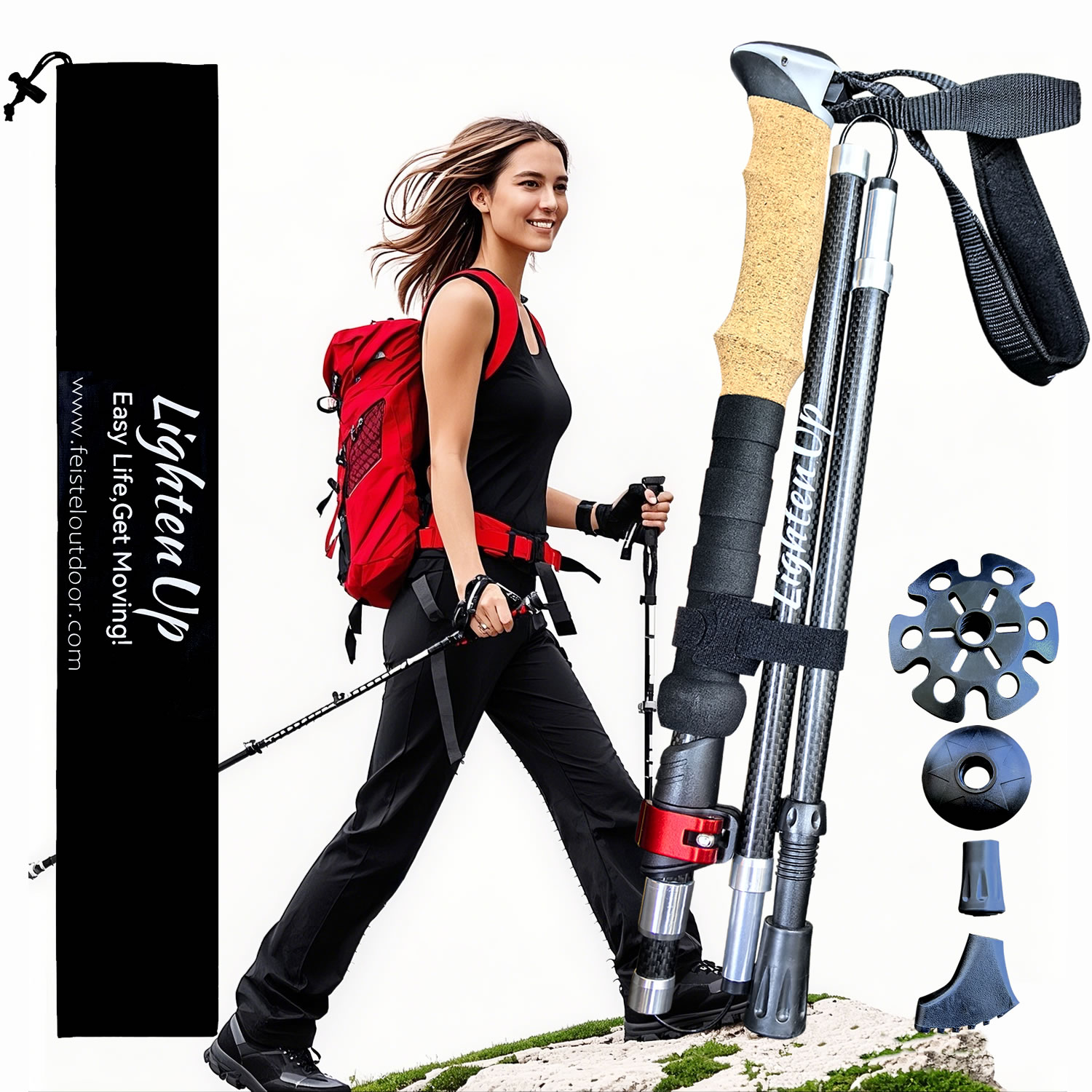
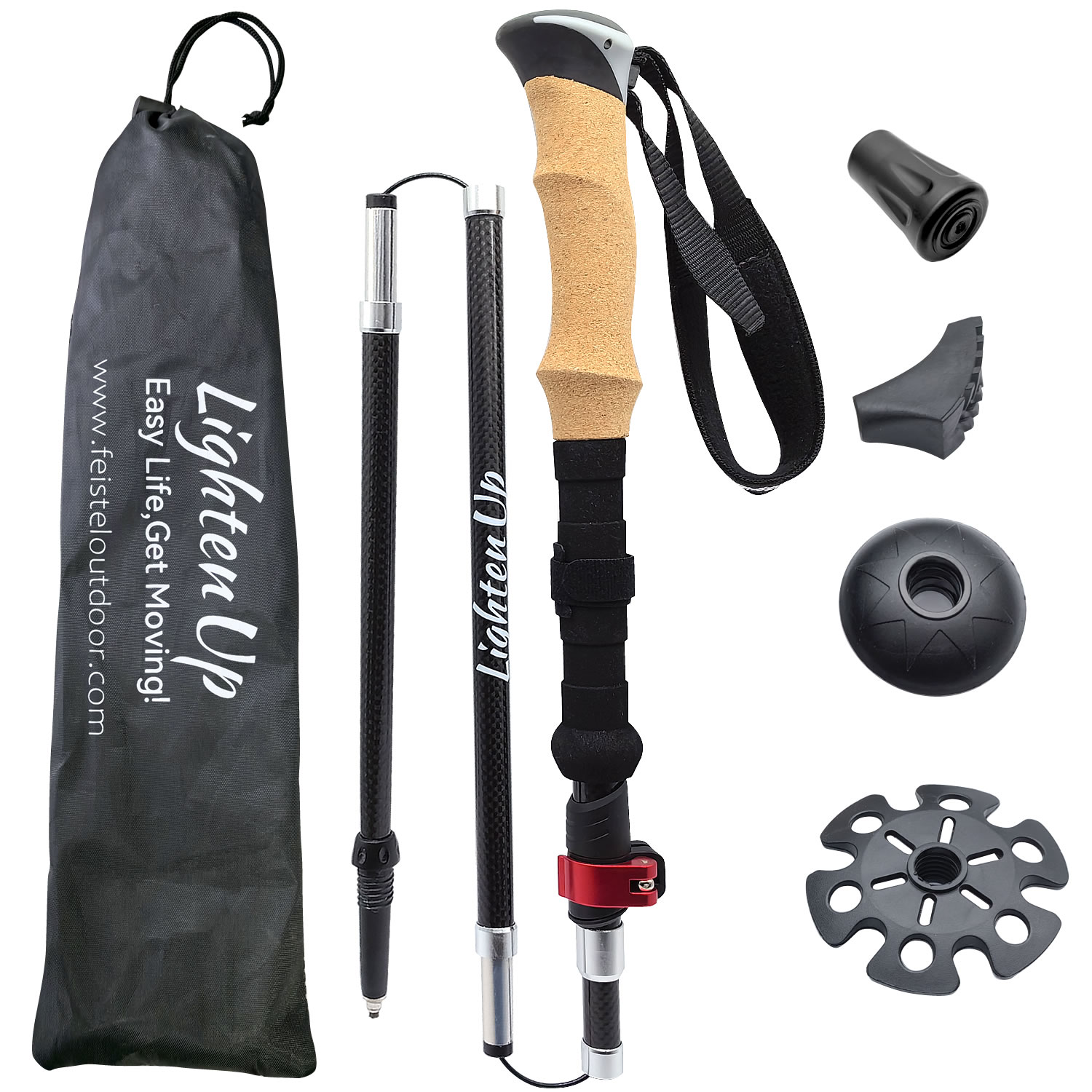
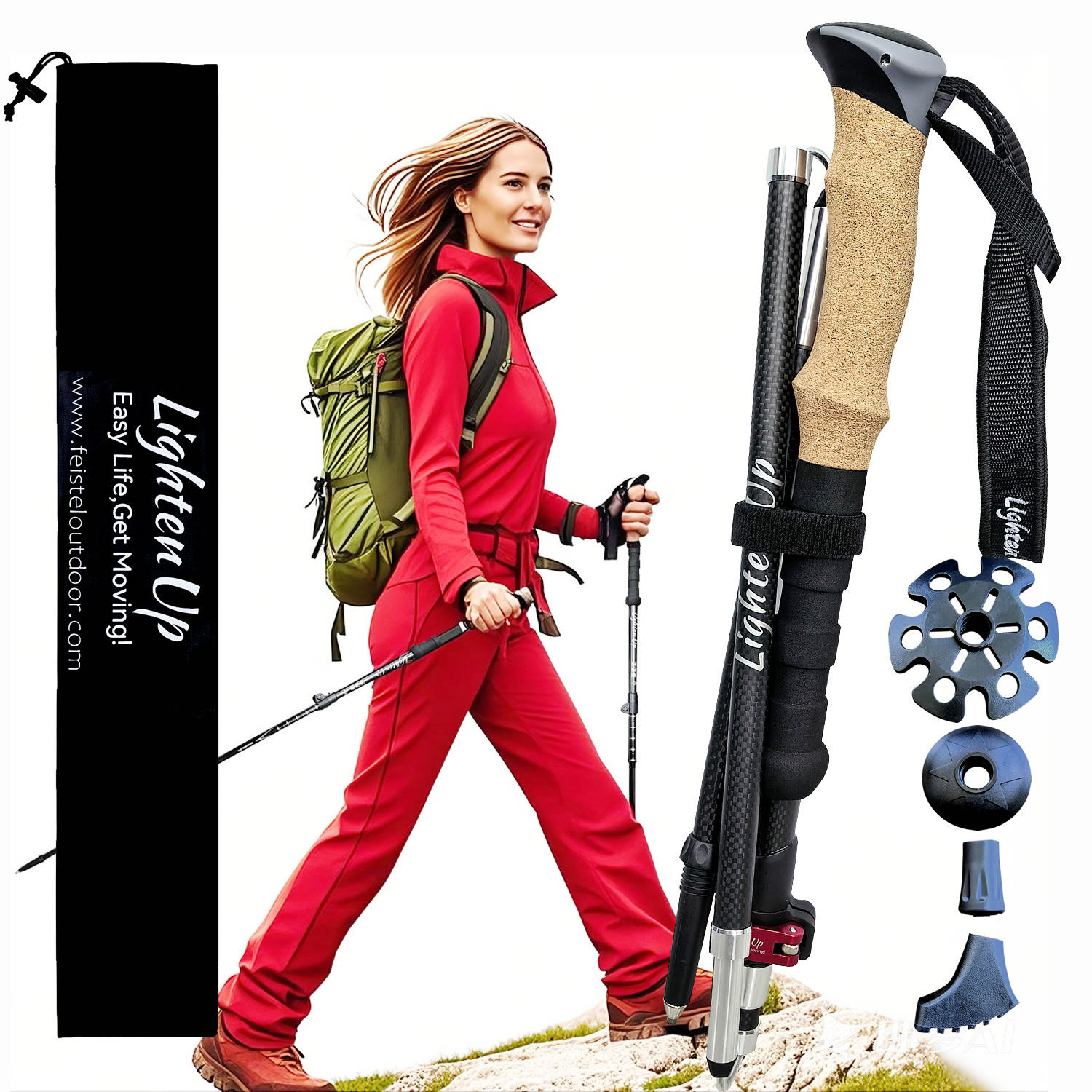
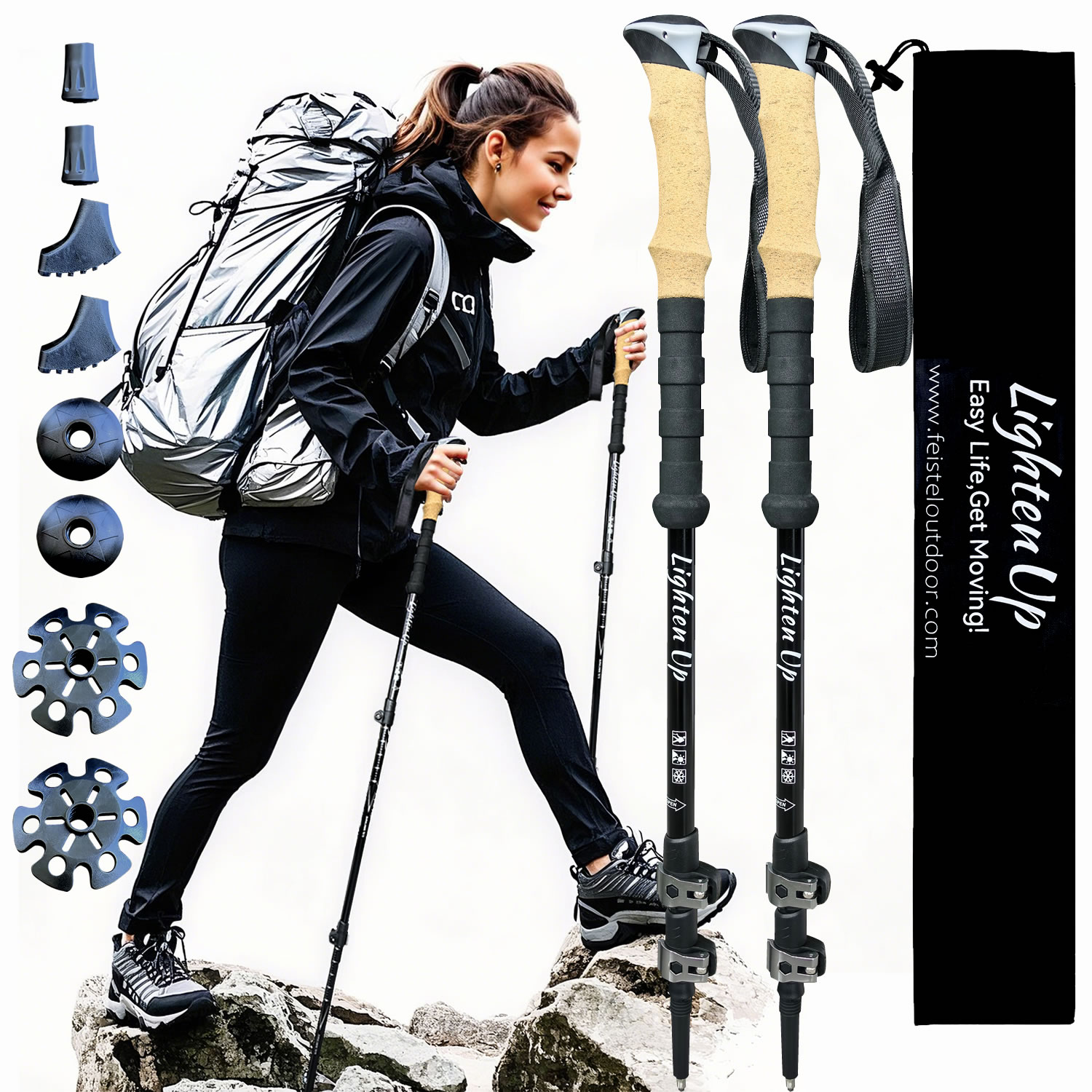
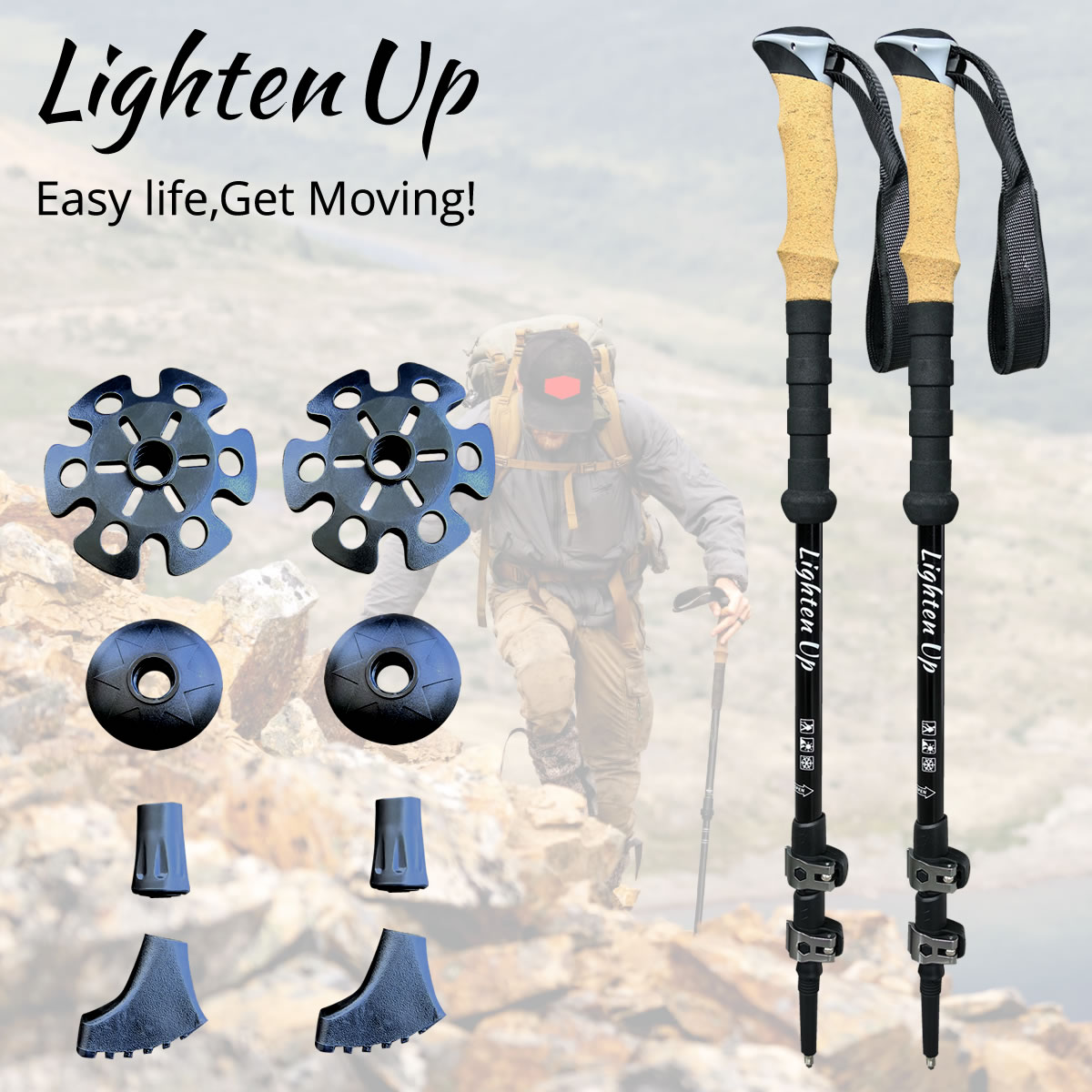
"Lighten UP-Easy Life,Get Moving!"

Lighten Up Lightweight Camping Gear | Best Ultralight Equipment for Outdoor Adventures

Strictly selected fabrics

Based on human anatomy, the product is designed to be more comfortable and fit better

Anhui Feistel Outdoor Products Co., Ltd.

Professional OEM and ODM customization of water sports equipment

Since our founding in 2011, Anhui Feistel Outdoor Products Co., Ltd. has been a dedicated developer, manufacturer, and marketer of premium outdoor leisure products. Guided by a strong commitment to innovation and quality, we have built a solid reputation in the outdoor camping equipment industry.

Our modern facility, spanning 30,000 square meters in the Shushan Industrial Zone, houses a skilled team of over 400 experienced professionals. Equipped with advanced production lines and efficient manufacturing processes, we are capable of handling large-scale orders while maintaining consistent quality across our comprehensive product range—including camping chairs, tables, carts, canopies, and tents.

We offer flexible OEM and ODM services, allowing us to design and produce customized outdoor solutions that meet the specific needs of diverse markets. Our expertise is trusted by more than 50 international brand partners, with a strong presence in Japan, South Korea, Europe, and the United States. Through continuous innovation and reliable collaboration, we work closely with our customers to build successful outdoor brands.

Anhui Feistel – Your reliable partner for quality, innovation, and lasting cooperation.

Latest Blog Posts

Can trekking poles help with carrying a heavy wild camping backpack?

Yes – trekking poles are a game-changer for carrying a heavy wild camping backpack. They transfer 15–20% of your body weight from your legs and spine to your arms, reducing knee and back strain on descents and climbs. On steep, rocky terrain, they add stability, helping you avoid missteps that could twist an ankle. Use aluminium 7075 poles with lever locks for heavy loads (carbon is more brittle). Adjust length for terrain – shorten on ascents, lengthen on descents. Practice strap use – the strap bears weight, not your grip. For multi-day trips, quality poles are as important as your pack.

How to use trekking poles for trail running on the South Downs Way?

For trail running on the South Downs Way, use ultralight folding poles (e.g., Black Diamond Distance Z, Leki Micro Vario) for quick deployment and stowage. Use a short, rapid arm swing – plant the pole with a light touch, not a heavy plant. Alternate rhythm matches your cadence – left pole with right foot, right pole with left foot. On long uphill sections, shorten your stride and push through the straps. On descents, lengthen poles by 2–3 cm for braking. Stow poles on long flat sections to run freely. Always carry poles collapsed in a running vest when not in use – South Downs' rolling terrain means frequent transitions. Practice transitions before race day.

Do trekking poles improve walking posture and prevent back pain?

Yes – trekking poles can improve walking posture and help prevent back pain. By encouraging an upright stance, they reduce the forward lean that causes lower back strain. The poles also transfer load from your spine to your arms and shoulders, relieving pressure on the lumbar region. However, they only help when used with proper technique – short for ascents, straps correctly, and a relaxed rhythm. Incorrect technique can worsen posture. Pair poles with core exercises for best results.

How to use trekking poles for boulder hopping in the Peak District?

For boulder hopping in the Peak District's rocky terrain (e.g., Kinder Scout, Stanage Edge), use your poles as balance aids, not as levers. Shorten them by 5 cm to keep your centre of gravity low. Plant the tip on a flat, stable part of the rock—not in crevices where it could jam. Use one pole at a time for stability, leaving your other hand free to touch rocks if needed. Move deliberately, testing each rock for wobble. On very steep or loose boulder fields, stow your poles and use your hands. Practice on easy sections first.

Can trekking poles be used to test water depth before crossing?

Yes – trekking poles are excellent for testing water depth before crossing. Fully extend one pole and plant it firmly into the streambed ahead. If the pole sinks more than knee‑deep (approx. 50–60 cm), reconsider the crossing – fast‑flowing water at that depth can be dangerous. Also feel for bottom stability: soft mud, loose rocks, or a shifting bed. Use two poles for balance. Always face upstream, keep your weight centred, and move slowly. Never rely solely on the pole – it’s a tool, not a guarantee of safety.

How to adjust trekking pole straps for maximum efficiency on long days?

For maximum efficiency on long days, your strap should sit across the base of your palm (not your wrist) and be snug enough to transfer your weight, but not tight enough to restrict blood flow. A simple test: you should be able to slide one finger between the strap and your skin. Adjust so the strap takes your weight – not your grip. This lets you relax your hand, saving energy. For variable terrain, adjust straps at the start of each day; for trigger straps, the clip should be centred on the back of your hand.

Free delivery worldwide

Free delivery for orders over $200 worldwide

Secure payments

Secure payment through PayPal or credit card

Quality purchase

30-Day return policy

Friendly customer service

Part replacement service

Inquire for more cooperation or product information.
We will contact you within 1 business day. Please check your email.
Name
Mail
Phone
Message
Send

Feistel Outdoor

We reply immediately
Welcome to our website. Ask us anything 🎉

Start Chat with:

Subscribe today to hear first about our sales