




Hiking Poles for Backpacking: The Ultimate Load Management Tool
For backpackers carrying significant weight over varied terrain, hiking poles transition from optional accessories to essential gear. They provide critical stability, reduce fatigue, and protect joints under the added stress of a heavy pack. This comprehensive guide explores why poles are indispensable for backpacking and how to choose the right model for your multi-day adventures.
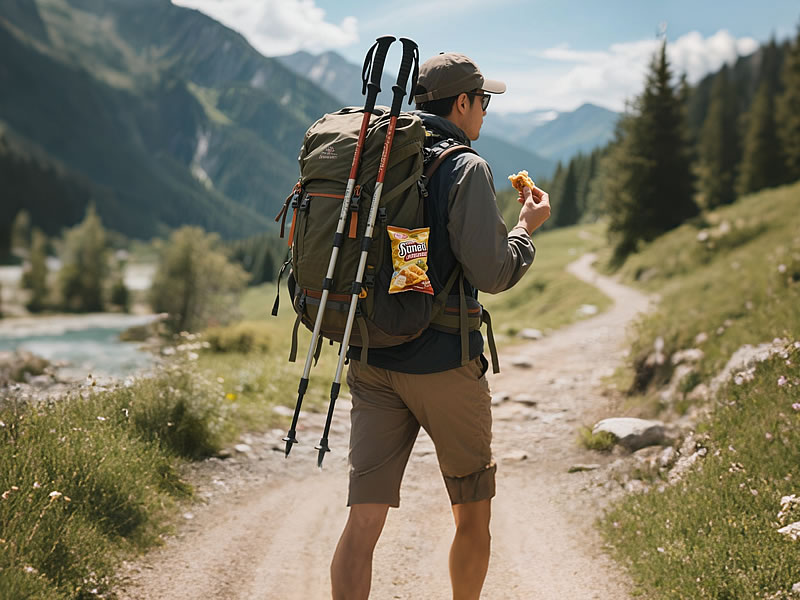
Recommended trekking pole purchase link: https://s.click.aliexpress.com/e/_c4M7OWaN
Why Backpackers Need Hiking Poles
The benefits of trekking poles become exponentially more valuable when carrying a backpack:
Load Distribution and Stability
A loaded backpack raises your center of gravity, making balance more challenging on uneven trails. Poles create additional contact points with the ground, dramatically improving stability. This "tripod effect" is crucial when crossing streams, navigating loose rock, or managing fatigue on long descents. Research indicates poles can reduce perceived exertion by up to 25% when carrying weight.
Joint Preservation Under Load
The impact forces on your knees, hips, and ankles multiply significantly with added pack weight. Quality backpacking poles absorb and redistribute this impact, potentially reducing knee strain by over 20%. This protection becomes increasingly important on sustained descents, where poles prevent the jarring compression that leads to long-term joint issues.
Efficiency and Endurance Boost
By engaging your upper body, poles transform hiking from a lower-body workout to a full-body activity. This distributed effort conserves leg energy, allowing you to cover more distance with less fatigue. The rhythmic planting motion also helps maintain a steady pace and cadence, particularly helpful on long, monotonous trail sections.
Versatile Backcountry Tool
Beyond walking aids, poles serve multiple functions:
- Emergency shelter frame for tarps or tents
- Probe for testing snow, mud, or river depth
- Safety device for wildlife encounters
- Support for drying laundry at camp
Choosing the Right Backpacking Poles
Not all poles are created equal for backpacking applications. These features matter most under heavy loads:
Durability Over Ultralight
While weight matters, durability is paramount when relying on poles for safety with a heavy pack. High-grade aluminum alloys (particularly 7075-T6) offer the best balance of strength and reasonable weight. Carbon fiber works for experienced users on established trails but may not withstand the lateral stresses of off-trail backpacking with heavy loads.
Secure Locking Mechanisms
Lever locks generally outperform twist locks for backpacking, providing more reliable security under heavy, sustained pressure. Look for robust mechanisms that won't slip when you need them most, particularly on steep descents where failure could be dangerous.
Comfort and Ergonomics
Padded straps and ergonomic grips become increasingly important over multiple days. Cork grips often provide the best long-term comfort as they mold to your hands and manage moisture effectively. Foam offers excellent cushioning but may deteriorate faster under heavy use.
Weight and Packability
While durability is crucial, every ounce counts in your overall pack weight. Look for poles that balance robustness with reasonable weight (typically 16-20 ounces per pair for aluminum models). Collapsible designs that attach easily to your pack are ideal for sections where you don't need poles.
Proper Usage Techniques for Backpacking
Adjustment for Load and Terrain
- Flat terrain: Elbows at 90 degrees with poles vertical
- Uphill: Shorten poles 5-10 cm to maintain efficient posture
- Downhill: Lengthen poles 5-10 cm for better control and reduced impact
- Heavy loads: Consider slightly longer poles to compensate for pack weight
Rhythm and Planting
Develop a natural opposite arm/leg rhythm (left pole with right foot) for maximum efficiency. Plant poles firmly within your peripheral vision, not stretched far forward. Use straps correctly to transfer weight through your arms without death-gripping the handles.
Special Considerations for Backpacking
Trekking Pole Tents
Many ultralight shelters integrate with trekking poles, potentially saving significant weight. Ensure your poles meet the specific height and strength requirements of your shelter system.
River Crossings
Poles provide crucial stability in current. Use a two-point stance with at least one pole always securely planted. Consider slightly longer settings for deeper crossings.
Snow Travel
Larger snow baskets are essential for preventing pole sinkage in soft snow. Some backpackers carry interchangeable baskets for varying conditions.
Maintenance in the Field
Regular trail maintenance ensures reliability:
- Clean locking mechanisms after muddy or sandy sections
- Check tips regularly for wear and damage
- Tighten locks periodically as vibration can loosen them
- Carry a minimal repair kit for multi-week trips
Top Recommendations for Backpacking
Best All-Around: Black Diamond Trail Pro - Durable aluminum construction with comfortable grips and reliable locks
Lightweight Option: REI Co-op Flash Carbon - Carbon fiber strength without excessive weight
Budget Choice: Cascade Mountain Tech Carbon Fiber - Remarkable value with decent performance
Conclusion: Worth Their Weight
For backpackers, quality trekking poles represent one of the best weight-to-benefit ratios in your kit. The minimal weight penalty pays dividends in safety, comfort, and endurance across all types of terrain. By choosing poles matched to your typical pack weight and trail conditions, and using them with proper technique, you'll transform your backpacking experience—reducing fatigue, preventing injuries, and ultimately allowing you to enjoy the journey more fully.
Whether you're a weekend warrior or thru-hiker, integrating poles into your backpacking system will likely become one of those "why didn't I try this sooner" improvements to your backcountry travel.




