




How to Change Worn-Out Trekking Pole Baskets
Trekking pole baskets may seem like small, insignificant components, but they play a crucial role in your hiking experience. Worn or damaged baskets can compromise stability in soft terrain, reduce efficiency, and even become safety hazards. Learning to replace them is an essential maintenance skill that every hiker should master. This comprehensive guide will walk you through the entire process, from recognizing when to replace baskets to installing new ones perfectly.
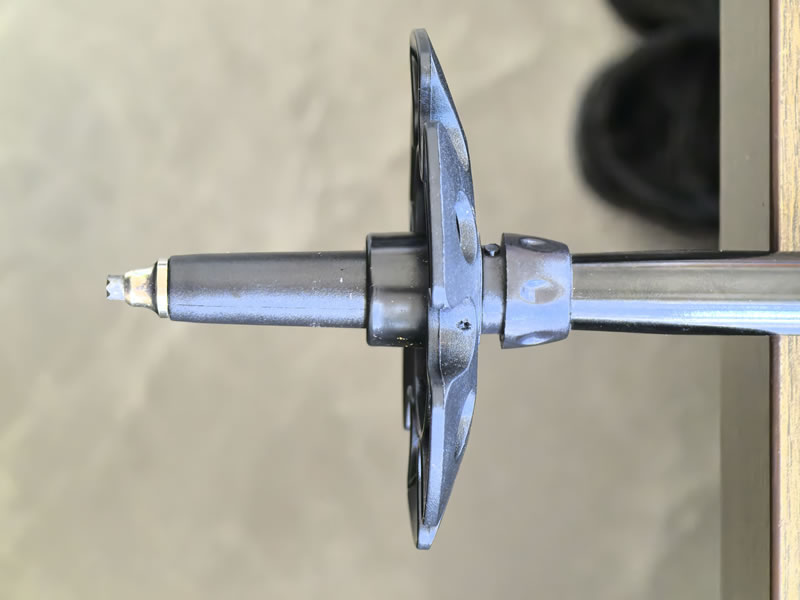
Recommended trekking pole purchase link: https://s.click.aliexpress.com/e/_c4M7OWaN
Understanding the Role of Baskets
Before diving into replacement, it's important to understand what baskets do:
- Snow baskets (larger, typically 4-6 inches) prevent poles from sinking deep into soft snow
- Mud/trail baskets (smaller, usually 2-3 inches) provide resistance in soft ground and mud
- All-purpose baskets offer balanced performance for mixed conditions
Recognizing When Replacement is Needed
Don't wait until baskets are completely destroyed. Replace them when you notice:
- Cracks or breaks in the plastic arms
- Missing sections or significant wear on the edges
- Baskets that spin freely rather than staying positioned
- Reduced effectiveness in soft terrain
- Visible deformation from heat or impact
Step-by-Step Replacement Guide
Tools Needed:
- Replacement baskets (ensure compatibility with your pole brand)
- Pliers or multi-tool
- Cloth or gloves for better grip
- Optional: hairdryer for stubborn baskets
Removal Process:
- Clean the area around the basket connection point to remove dirt and debris
- Identify the connection type - most modern poles use push-and-twist or snap-on systems
- For standard baskets: Grip the basket firmly and pull straight down while gently twisting counterclockwise
- For stubborn baskets: Use pliers covered with cloth to avoid damaging the pole shaft. Apply steady pressure while twisting
- If completely stuck: Apply gentle heat with a hairdryer for 30-60 seconds to expand the plastic slightly, then try removal again
Installation Process:
- Check orientation - most baskets have a specific top and bottom alignment
- Align the new basket with the groove on your pole's tip assembly
- Push firmly until you hear or feel a distinct "click"
- Test the connection by gently pulling on the basket - it should not come off easily
- Verify positioning - ensure the basket sits perpendicular to the pole shaft
Choosing the Right Replacement Baskets
Not all baskets are created equal. Consider these factors:
- Material quality: Look for UV-resistant, flexible plastic that won't become brittle
- Size appropriateness: Match basket size to your typical terrain conditions
- Brand compatibility: While many baskets are universal, some brands have proprietary systems
- Seasonal needs: Consider having different basket sizes for summer vs winter hiking
Troubleshooting Common Issues
- Baskets won't stay locked: Check for worn grooves on the pole tip or consider a different brand
- Poor fit: Some universal baskets may require slight modification with a utility knife
- Frequent breakage: Upgrade to higher-quality baskets if you experience regular failures
Maintenance Tips to Extend Basket Life
- Remove debris after each hike to prevent stress on the basket arms
- Store properly - avoid bending baskets in packed gear
- Carry spares on long trips, especially in variable conditions
- Clean regularly with mild soap and water to prevent dirt buildup
When to Seek Professional Help
While most basket replacements are straightforward, consult your pole manufacturer or a gear shop if you encounter:
- Stripped or damaged threading on the pole tip
- Corrosion or damage to the metal connection point
- Rare or proprietary connection systems you can't identify
Conclusion: Master This Essential Skill
Changing trekking pole baskets is a simple yet vital skill that extends the life of your poles and ensures optimal performance on the trail. With the right technique and quality replacement parts, you can maintain your poles' effectiveness in all conditions. Regular basket inspection and timely replacement will save you from potential mishaps and keep your poles functioning like new for years of adventures to come. Remember: proper maintenance of small components often makes the biggest difference in your gear's longevity and performance.




