




Eco-friendly and Sustainable Hiking Pole Materials: A Guide to Greener Gear
As outdoor enthusiasts, we have a special responsibility to protect the natural landscapes we love to explore. This commitment increasingly extends to the gear we choose, including trekking poles. The traditional manufacturing of outdoor equipment can be resource-intensive, but a growing movement towards sustainability is offering greener alternatives. By understanding eco-friendly hiking pole materials, you can make informed choices that minimize your environmental impact while still enjoying high-performance, durable gear.
Recommended trekking pole purchase link: https://s.click.aliexpress.com/e/_c4M7OWaN
The shift towards sustainable materials is not just about the raw resources; it encompasses the entire product lifecycle—from sourcing and production to end-of-life disposal or recycling.
The Leading Sustainable Materials in Trekking Poles
1. Recycled Aluminum
This is currently the most common and accessible eco-friendly option for pole shafts.
- Environmental Benefit: Using recycled aluminum instead of virgin ore requires up to 95% less energy. It diverts waste from landfills and reduces the need for destructive bauxite mining.
- Performance: Recycled aluminum retains all the desirable properties of virgin aluminum: it's durable, reliable, and has a good strength-to-weight ratio. It is also highly recyclable at the end of its life, creating a circular economy.
- Look For: Brands that specify a high percentage of recycled content (e.g., 7075 or 6061 recycled aluminum alloy).
2. Bamboo
A rapidly renewable resource, bamboo is making waves in the pole industry.
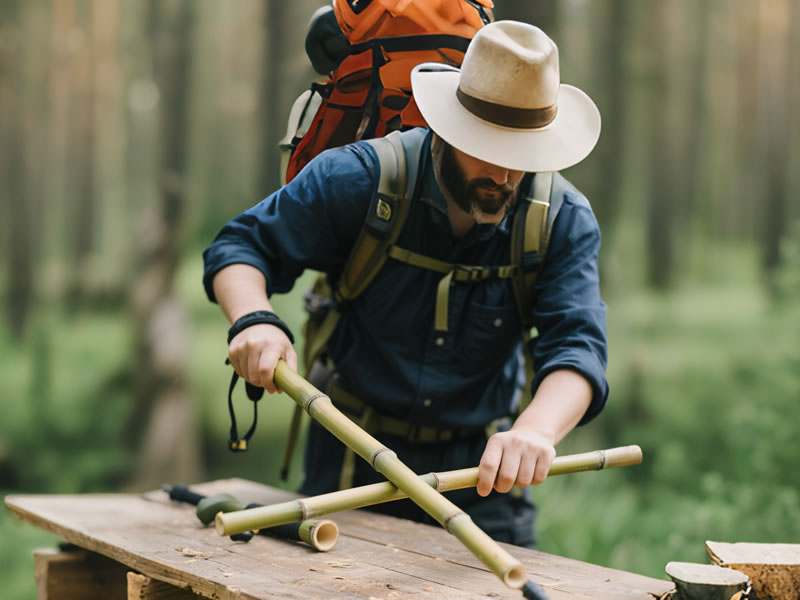
- Environmental Benefit: Bamboo is a grass that grows incredibly fast, requires no pesticides, and self-regenerates from its root system. It sequesters carbon effectively and can be harvested without killing the plant.
- Performance: Bamboo possesses a natural strength-to-weight ratio that rivals some metals. It also offers exceptional natural vibration damping, providing a uniquely smooth and quiet feel on the trail. Modern poles often use bamboo shafts combined with aluminum joints for durability.
- Consideration: Ensure the bamboo is sourced from responsibly managed forests, with certifications like FSC (Forest Stewardship Council).
3. Cork for Grips
Cork has long been a favorite for grips due to its comfort, and it's also a sustainability superstar.
- Environmental Benefit: Cork is harvested from the bark of cork oak trees without cutting them down. This process actually helps the tree absorb more CO2. A single tree can be harvested repeatedly for over 150 years, supporting a unique and biodiverse ecosystem (the Montado forests in Portugal and Spain).
- Performance: Cork is naturally moisture-wicking, mold-resistant, and conforms to the shape of your hand over time.
4. Recycled Rubber and Plastics
Many brands are now incorporating recycled content into other pole components.
- Grips and Tips: Some grips blend cork with recycled rubber. Similarly, rubber tip protectors can be made from post-consumer recycled rubber.
- Straps and Baskets: Components like straps and baskets are increasingly being manufactured from recycled plastics, including PET bottles.
Beyond the Materials: The Full Picture of Sustainability
The "greenest" pole isn't defined by material alone. A holistic view of a brand's practices is essential.
- Durability and Repairability: The most sustainable product is the one that lasts the longest. Choose brands known for durability that offer replacement parts like tips, baskets, and segments. A pole you can repair for a decade is far greener than a "biodegradable" one that breaks in a year.
- Manufacturing Transparency: Support companies that are transparent about their supply chains and manufacturing processes. Look for commitments to reducing water usage, chemical treatments, and carbon emissions in their factories.
- End-of-Life Programs: The most forward-thinking brands are implementing take-back or recycling programs, ensuring their products don't end up in a landfill. Inquire about a company's policy on this.
- Certifications: Look for independent certifications that validate environmental claims, such as:Bluesign®: Certifies that a product is made with safe, environmentally friendly processes and materials.Fair Trade: Ensures safe working conditions and fair wages for the people making the product.
Making Your Choice
When shopping for eco-friendly poles, consider this hierarchy:
- Durability First: Choose a model built to last.
- Material Second: Prioritize poles made with recycled aluminum or sustainably sourced bamboo.
- Components Third: Look for natural or recycled grips, straps, and baskets.
- Brand Ethics Fourth: Support companies with demonstrable commitments to environmental and social responsibility.
In conclusion, the quest for sustainable hiking poles is a powerful way to align your gear with your values. By opting for poles made from recycled aluminum, rapidly renewable bamboo, and responsibly harvested cork, you are voting for a greener outdoor industry. This conscious choice helps preserve the very trails and wilderness areas we rely on for adventure and solace, ensuring they remain vibrant for generations to come.




