




Ultralight Poles for Fastpacking: The Complete Guide to Efficiency and Speed
In the world of fastpacking—where every gram matters and efficiency is paramount—the right trekking poles can make a dramatic difference in your performance and enjoyment. Unlike traditional hiking where poles primarily provide stability, in fastpacking they become instruments of propulsion, rhythm, and endurance. The choice between saving a few ounces and having reliable equipment becomes a critical calculation that could determine whether you complete your objective strong or struggle with failed gear miles from civilization. This comprehensive guide explores the intricate balance between minimal weight and maximum performance in ultralight poles specifically designed for fastpacking's unique demands.
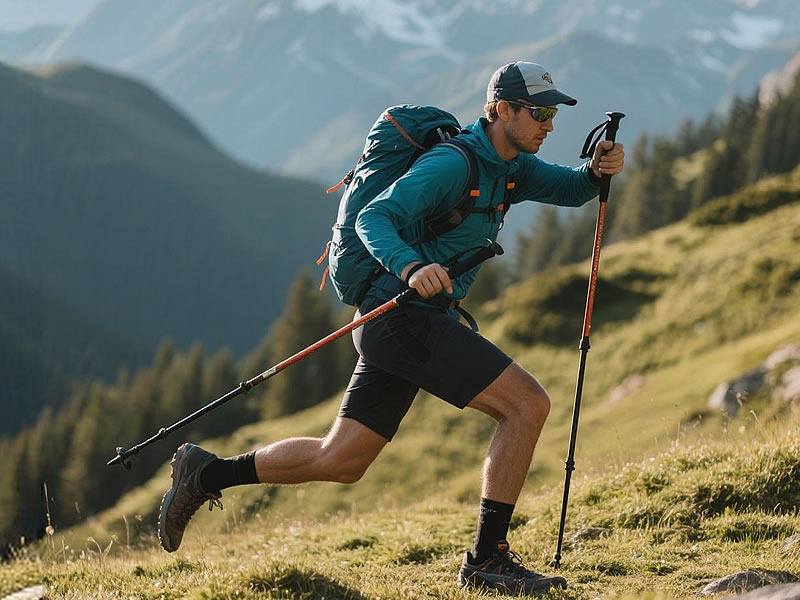
Recommended trekking pole purchase link: https://s.click.aliexpress.com/e/_c4M7OWaN
The Fastpacking Philosophy: Why Every Gram Matters
Fastpacking combines trail running with lightweight backpacking, creating a discipline where efficiency reigns supreme. In this context, poles serve multiple crucial functions:
- Propulsion Engine: On climbs, properly used poles can contribute up to 30% of your forward momentum, significantly reducing leg fatigue over long distances.
- Endurance Extender: By distributing workload across your upper body, poles delay the onset of lower-body fatigue, allowing you to maintain pace for longer periods.
- Rhythm Generator: The metronomic effect of pole plants helps establish and maintain an efficient cadence, particularly useful during night sections or when fatigue sets in.
- Stability Provider: When carrying a lightweight but awkward pack at speed over technical terrain, poles provide crucial stability that prevents falls and missteps.
The Weight Sweet Spot: Where Performance Meets Practicality
The pursuit of lightness must be balanced against durability and functionality:
- The Gold Standard: Most experienced fastpackers consider 12-16 ounces (340-450 grams) per pair the ideal weight range.
- The Law of Diminishing Returns: Poles under 10 ounces often sacrifice crucial durability and may exhibit uncomfortable flex under load.
- The Performance Penalty: Poles over 18 ounces become noticeable during running sections and may not justify their performance benefits.
Critical Design Features for Fastpacking
Material Selection:
- Carbon Fiber Excellence: High-modulus carbon fiber provides the best strength-to-weight ratio, with the added benefit of vibration damping that reduces arm fatigue.
- Aircraft-Grade Aluminum: Slightly heavier but more durable against side impacts, making it preferable for technical terrain or those who prioritize longevity over absolute minimal weight.
Collapsing Systems:
- Folding (Z-Pole) Design: The preferred choice for most fastpackers due to rapid deployment and compact packed size (typically 12-15 inches).
- Telescopic Options: Three-section telescopic poles can be more adjustable but often pack larger and weigh slightly more.
Grip and Strap Considerations:
- Minimalist Grips: Foam or slim cork grips reduce weight while providing sufficient comfort.
- Strategic Padding: Some weight-conscious models feature padding only where hands make contact.
- Breathable Straps: Lightweight mesh straps with quick-release buckles prevent sweaty palms and allow instant hand freedom.
Top Ultralight Pole Models for Fastpacking
1. Black Diamond Distance Carbon Z-Poles:
- Weight: 11-15 ounces per pair depending on length
- Key Features: Revolutionary Z-pole design, carbon construction, integrated speed cone deployment
- Best For: Pure speed and minimalists who prioritize packed size
2. Leki Micro Vario Carbon:
- Weight: 15-17 ounces per pair
- Key Features: Hybrid folding/adjustable design, 10cm of length adjustment
- Best For: Those who need adjustability for varying terrain without sacrificing weight
3. Gossamer Gear LT5:
- Weight: 14 ounces per pair
- Key Features: Simple two-section design, foam grips, exceptional durability for weight
- Best For: Long-distance fastpackers who need reliability over multiple seasons
Technique Optimization for Speed and Efficiency
The Fastpacking Rhythm:
- Develop a shorter, quicker pole plant that matches your increased cadence
- Focus on backward propulsion rather than vertical support
- Learn to vary your grip position to distribute muscle workload
Terrain-Specific Techniques:
- Uphill: Shorten poles slightly and use powerful planting to drive yourself upward
- Downhill: Lengthen poles for better control and reduced impact on joints
- Flat Sections: Use a lighter touch, almost dragging tips to maintain rhythm without wasting energy
Transition Mastery:
- Practice stowing and deploying poles without breaking stride
- Develop systems for carrying poles during extended running sections
- Learn to use poles while eating, drinking, and navigating on the move
Weight Distribution and Pack Integration
How you carry poles significantly impacts their effective weight:
- Front Pack Attachment: Some ultra-light packs feature front mounting that better distributes weight
- Vertical Side Storage: The traditional method works well if poles don't snag vegetation
- Diagonal Pack Placement: For quick access while maintaining aerodynamics
Durability Concerns and Real-World Testing
Lightweight poles require careful consideration of durability factors:
- Impact Resistance: Carbon fiber excels against vertical loads but can be vulnerable to side impacts
- Locking Mechanism Reliability: Test folding mechanisms extensively before committing to a long trip
- Wear Points: Reinforced tip areas and durable strap attachments indicate better longevity
The Maintenance Regimen for Ultralight Equipment
Ultralight poles demand more careful maintenance:
- Regular Inspection: Check for hairline cracks, particularly near joints and stress points
- Cleaning Protocol: Remove dirt from locking mechanisms after every significant use
- Tip Maintenance: Replace carbide tips before they're completely worn to prevent damage to the shaft
Cost vs. Performance Analysis
The ultralight premium is real but not always justified:
- Under $150: Quality aluminum options that sacrifice minimal weight for significant savings
- $150-$250: The sweet spot for advanced carbon designs with proven durability
- Over $250: Diminishing returns unless you need specific professional-grade features
Making the Final Decision: A Practical Framework
Choose your poles based on these priority questions:
- What percentage of your fastpacking involves actual running versus power hiking?
- How technical are your typical routes?
- Do you prioritize minimal weight or maximum durability?
- What's your experience level with pole technique?
Conclusion: The Weight-Speed Connection
Ultralight poles represent more than just gear in fastpacking—they're force multipliers that extend your range, increase your speed, and enhance your connection to the trail. The perfect pair disappears from your consciousness during use yet provides reliable support when needed most. By carefully selecting poles that balance minimal weight with necessary durability and pairing them with refined technique, you unlock one of fastpacking's most valuable tools. Remember that the lightest poles are worthless if they fail miles from civilization, while the most durable become burdens if they're too heavy. Find your personal balance, and you'll discover how the right poles can transform your relationship with distance, turning daunting routes into achievable adventures.




