




Are Telescopic Walking Poles Good? A Comprehensive Analysis
The question of whether telescopic walking poles are worth investing in is one that many hikers and outdoor enthusiasts grapple with when selecting their gear. Unlike fixed-length or folding Z-poles, telescopic poles offer unique advantages that make them ideal for certain users and situations, while presenting some limitations that might steer others toward alternative designs. This comprehensive examination will help you understand exactly where telescopic poles excel, where they might disappoint, and how to determine if they're the right choice for your outdoor adventures.
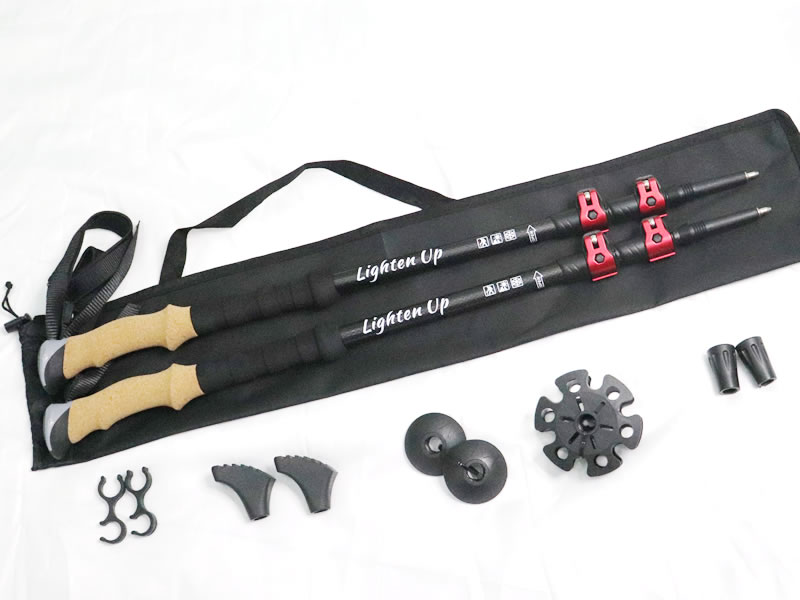
Recommended trekking pole purchase link: https://s.click.aliexpress.com/e/_c4M7OWaN
Understanding Telescopic Pole Design and Mechanism
Telescopic poles feature multiple sections that slide within each other, typically secured by either twist-lock or lever-lock mechanisms. Most models offer two or three adjustable sections, allowing for significant length variations—usually 20-30 centimeters of adjustability. This fundamental design characteristic creates both their greatest strengths and most notable weaknesses.
The Advantages: Where Telescopic Poles Truly Shine
Unmatched Adjustability:
The primary benefit of telescopic poles is their versatility in length adjustment. This feature proves invaluable in several scenarios:
- Terrain Adaptation: Shorten poles for uphill sections and lengthen them for descents to maintain optimal biomechanical efficiency
- Shared Use: Multiple users of different heights can use the same pair of poles
- Pack Integration: Adjust to shorter lengths for more secure attachment to backpacks
- Travel Flexibility: Collapse to fit into luggage while maintaining full adjustability at your destination
Progressive Investment:
Telescopic poles often represent the most budget-friendly entry point into trekking pole use. Quality aluminum telescopic poles can be found for $40-80, making them accessible for beginners who aren't ready to commit to premium prices.
Repairability and Maintenance:
Unlike some folding pole designs with proprietary components, telescopic poles typically feature standardized parts that are easier to replace. Many manufacturers offer replacement sections, locks, and grips, extending the poles' lifespan significantly.
Weight Distribution Options:
The adjustable nature allows users to fine-tune the balance point by adjusting how much each section is extended. This customization can reduce arm fatigue during long descents where more pole length is deployed.
The Disadvantages: Understanding the Limitations
Weight Considerations:
Telescopic designs generally weigh more than their folding counterparts due to the overlapping sections and locking mechanisms. A typical three-section aluminum telescopic pole pair weighs 18-24 ounces, compared to 12-16 ounces for similar-quality folding poles.
Durability Concerns:
The complexity of telescopic systems introduces more potential failure points:
- Locking Mechanism Failure: Both twist-locks and lever-locks can malfunction, particularly when dirt, sand, or moisture infiltrates the systems
- Section Collapse: Wear over time can cause poles to slip under pressure, though quality models minimize this risk
- Vibration and Play: Even well-maintained telescopic poles may develop slight movement between sections, creating subtle vibrations during use
Packed Size Limitations:
While telescopic poles collapse significantly, they typically don't achieve the ultra-compact dimensions of folding Z-poles. A three-section pole might collapse to 24-28 inches, compared to 12-15 inches for folding models.
Technical Considerations: What Makes a Good Telescopic Pole
Locking Mechanism Quality:
The locking system represents the heart of a telescopic pole's reliability:
- Lever-Lock Systems: Generally provide more consistent tension and easier adjustment, particularly with cold hands or gloves
- Twist-Lock Systems: Offer cleaner aesthetics with fewer protruding parts but can be more difficult to adjust when dirty or cold
Material Choices:
- Aluminum Alloys: 7075 and 6061 aluminum offer excellent durability at reasonable weights
- Carbon Fiber: Higher-end telescopic poles use carbon to reduce weight while maintaining strength, though at a premium price
Section Design:
Poles with three sections typically pack smaller than two-section models, while two-section designs often provide greater rigidity and fewer potential failure points.
Ideal Use Cases: When Telescopic Poles Make Perfect Sense
For Beginners:
The adjustability allows new users to experiment with different lengths as they develop their technique, without being locked into a potentially incorrect fixed length.
For Variable Terrain:
Hikers who frequently encounter mixed terrain with significant elevation changes benefit tremendously from the ability to optimize pole length throughout their hike.
For Budget-Conscious Buyers:
Quality telescopic poles deliver excellent performance at price points that folding poles can't match, providing outstanding value.
For Travelers Needing Adjustability:
Those who need to pack poles but also require length adjustment at their destination find telescopic poles offer the best of both worlds.
Comparison with Alternative Designs
vs. Folding (Z-Poles):
Folding poles typically offer lighter weight and more compact packing but lack the fine-tuned adjustability of telescopic models. The choice often comes down to whether you prioritize minimal packed size or terrain adaptability.
vs. Fixed-Length Poles:
Fixed-length poles provide maximum rigidity and minimal weight but offer no adaptability for changing conditions or multiple users.
Maximizing Performance and Longevity
Proper Maintenance Routine:
- Regular cleaning of locking mechanisms with compressed air
- Periodic inspection for wear on locking components
- Lubrication with dry silicone spray (never oil-based products)
- Storage with locks slightly released to preserve spring tension
Usage Tips:
- Always ensure locks are fully engaged before applying weight
- Avoid extending poles beyond their recommended length markers
- Make small adjustments during hikes to distribute wear evenly across the pole sections
Top Recommended Telescopic Pole Models
Black Diamond Trail Pro:
Featuring durable lever-lock mechanisms and comfortable grips, these poles represent the sweet spot between performance and price.
Leki Cristallo:
With their innovative trigger-lock system and excellent vibration damping, these poles offer premium performance for dedicated hikers.
Komperdell Power Lock:
Known for incredibly secure locking mechanisms and durable construction, these Austrian-made poles withstand years of heavy use.
Conclusion: The Versatile Workhorse
Telescopic walking poles are indeed "good"—for the right users and situations. Their unparalleled adjustability, accessibility, and repairability make them an excellent choice for beginners, budget-conscious hikers, and those who frequently encounter varied terrain. While they may not achieve the minimal weight and packed size of premium folding poles, their versatility often outweighs these considerations.
The key to satisfaction with telescopic poles lies in selecting quality construction from reputable brands and understanding proper maintenance. When chosen and cared for appropriately, telescopic poles can provide years of reliable service across countless trails and adventures. They represent the democratic option in the trekking pole world—accessible, adaptable, and capable of meeting most hikers' needs without demanding premium prices. For those who value flexibility above absolute minimalism, telescopic poles remain an outstanding choice that continues to earn their place in the outdoor equipment landscape.




