




Best Walking Poles for Wide Hands: The Complete Guide to Comfortable Trekking
For outdoor enthusiasts with larger-than-average hands, finding comfortable walking poles can be surprisingly challenging. Standard grip diameters often force wide-handed users into cramped, uncomfortable positions that lead to premature fatigue, blisters, and reduced control. The constant struggle to maintain a secure grip distracts from the hiking experience and can even cause long-term hand and wrist issues. Fortunately, several manufacturers now recognize this common but frequently overlooked problem and have developed poles specifically engineered for those who need more substantial grips. This comprehensive guide will help you understand what makes a pole ideal for wide hands and introduce you to the best options available today.
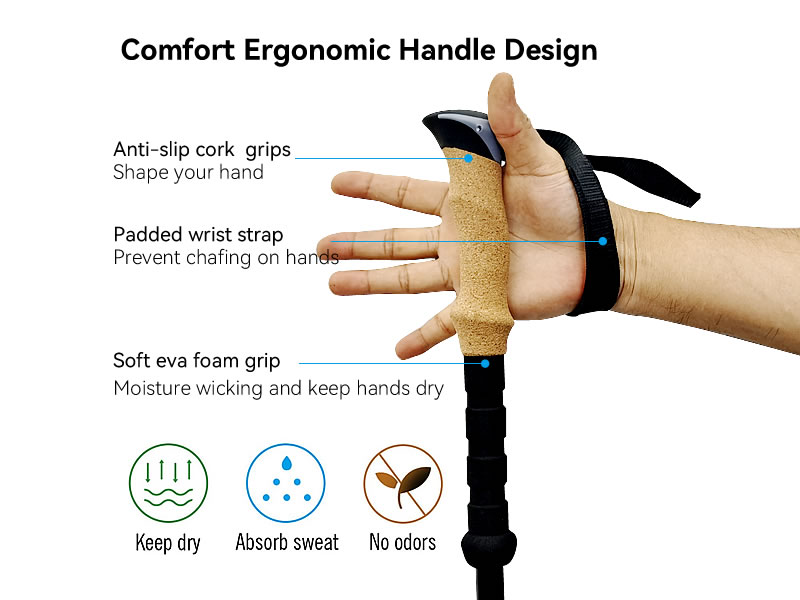
Recommended trekking pole purchase link: https://s.click.aliexpress.com/e/_c4M7OWaN
Understanding the Challenges Faced by Wide-Handed Hikers
Hikers with wide hands encounter several specific problems when using standard trekking poles that are often underestimated by manufacturers:
The Finger Overlap Problem:
When your fingers and thumb overlap significantly when gripping standard poles, it creates pressure points that can lead to numbness and discomfort within just a few miles of hiking. This overlap also reduces your control and leverage during technical sections where precise pole placement is crucial. The constant pressure on overlapping fingers can even lead to nerve irritation over time.
The Palm Compression Issue:
Wide hands often mean broader palms that extend beyond standard grip circumferences. This forces you to grip more tightly to maintain control, leading to accelerated fatigue in your forearm muscles and potential strain in your wrist and shoulder joints. The discomfort often begins in the palm's thenar and hypothenar eminences (the fleshy areas at the base of your thumb and pinky), then radiates upward through the arm.
The Fatigue Acceleration Factor:
With insufficient grip space, your fingers must work harder to maintain control, particularly during descents or when planting poles on uneven terrain. This extra effort translates to earlier exhaustion and reduced enjoyment on longer hikes. Many wide-handed hikers report needing to take frequent hand-stretching breaks that interrupt their hiking rhythm.
Key Features to Look for in Wide-Hand-Friendly Poles
Expanded Grip Circumference:
The most crucial feature for wide-handed users is grip diameter. While standard poles typically measure 3.5-4 inches in circumference, look for models offering 4.25-4.75 inches. This additional space allows your hand to rest naturally without finger overlap. Measure your hand's circumference at its widest point (including thumb) and add approximately 0.5 inches to determine your ideal grip size.
Strategic Grip Length:
Longer grips (5.5-6.5 inches) allow you to adjust your hand position during long hikes, preventing repetitive stress on the same pressure points. This is particularly valuable during elevation changes where different grip positions optimize power transfer. Extended grips also accommodate various hand sizes when sharing poles between hiking partners.
Ergonomic Contouring and Shape:
Seek out grips specifically shaped to accommodate broader palm structures. The best designs feature:
- Asymmetric shaping that follows your hand's natural position when holding poles
- Thumb shelves that provide leverage without creating pressure points
- Flared bases that prevent your hand from slipping during descents
- Palm swells that distribute pressure evenly across the entire hand surface
Material Considerations for Comfort:
Different grip materials offer varying benefits for wide-handed users:
- Cork: Naturally conforms to your hand shape over time while providing excellent moisture management. Ideal for those who sweat heavily or hike in variable conditions.
- Foam: Offers superior cushioning but may compress significantly with broad hand pressure. Look for high-density foam that maintains its shape.
- Rubber: Provides maximum security in wet conditions but can feel harsh during extended use. Better for technical terrain than long-distance comfort.
Top Recommended Poles for Wide Hands
Lighten Up Wide-Track Series:
Specifically engineered for larger hands, this series represents the gold standard for wide-handed hikers:
- 4.5-inch circumference cork-rubber composite grips
- Extended 6-inch grip length with multiple contour zones
- Integrated thumb rests that distribute pressure evenly
- Available in both aluminum and carbon fiber constructions
- Special "wide" version of their popular lever-lock mechanism
Black Diamond Trail Pro:
While not exclusively designed for wide hands, these poles have become a favorite among larger-handed hikers:
- Generous 4.25-inch cork grips that mold to your hand shape over time
- Strategic palm swells that accommodate broader hand structures
- Extended grip zones that allow for multiple hand positions
- Reliable lever-lock mechanisms for easy adjustment with gloves
Leki Macro Grip Series:
Leki's dedicated solution for larger hands includes several innovative features:
- Specially scaled grips measuring 4.75 inches in circumference
- Dual-density foam construction with firm support and soft contact surfaces
- Ergonomic thumb channels that prevent rotational slipping
- Compatibility with Leki's innovative glove system for ultimate security
Komperdell Comfort Wide:
These Austrian-made poles combine precision engineering with ergonomic excellence:
- Anatomically shaped grips based on extensive hand-width measurements
- 4.6-inch circumference with strategic finger grooves
- Temperature-neutral polymer material that performs in all conditions
- Lifetime warranty on grip materials demonstrates manufacturer confidence
Measuring Your Hand for the Perfect Fit
Follow these steps to determine your ideal grip size before purchasing:
- Circumference Measurement Technique:Open your hand naturally with fingers slightly curved as if holding a poleUse a flexible measuring tape around your palm at its widest point, including your thumbRecord this measurement and add 0.5-0.75 inches for your ideal grip circumference
- Length Assessment Protocol:Measure from your wrist crease to the tip of your middle fingerLook for grip lengths at least 0.5 inches longer than this measurementConsider your primary hiking style—technical terrain often benefits from longer grips
- Comprehensive Field Testing:If possible, visit a retailer and grip various models with your normal hiking gloveYour fingers should not overlap your thumb when gripping comfortablyThere should be no pressure points across your palm after 30 seconds of firm grippingSimulate planting motions to check for any discomfort during movement
Customization Options for Optimal Comfort
Aftermarket Grip Solutions:
If you already own poles with grips that are too small, several solutions can improve comfort:
- Grip Add-Ons: Neoprene or foam sleeves that increase diameter while adding cushioning
- Replacement Grips: Some manufacturers offer larger replacement grips for their popular models
- Custom Wrapping: Athletic tape or specialized grip tape can build up specific areas where you need more girth
Strategic Accessories:
- Padded Gloves: Can fill space and provide additional cushioning while improving grip security
- Grip Extenders: Small devices that increase effective grip length for better hand positioning
- Angle Adapters: Change grip orientation to better suit your natural hand and wrist mechanics
Technique Adjustments for Wide-Handed Users
Even with properly sized grips, technique modifications can enhance comfort and efficiency:
The Balanced Grip Approach:
Focus on using the wrist straps to bear weight rather than maintaining a tight grip. This reduces hand fatigue and allows for a more natural, open hand position. Practice gripping with just enough pressure to maintain control while letting the straps support most of your weight.
Strategic Position Variation:
Regularly change your hand placement on longer grips to distribute pressure across different parts of your hand. This is particularly helpful during extended descents where grip pressure naturally increases. Develop a conscious habit of slightly adjusting your grip every 10-15 minutes.
Optimal Thumb Placement:
Experiment with thumb positioning—some wide-handed users find relief by placing their thumb along the top of the grip rather than wrapping it around. This can reduce pressure on the thumb joint and create a more natural arm alignment.
Professional Recommendations and User Experiences
Physical Therapist Insight:
"Improperly fitted poles force wide-handed hikers to compromise their wrist alignment, which can lead to everything from carpal tunnel symptoms to shoulder impingement. The extra investment in properly sized grips pays dividends in both comfort and injury prevention. I've seen patients resolve chronic wrist pain simply by switching to appropriately sized pole grips." - Dr. Maria Rodriguez, Sports Medicine Specialist
Long-Distance Hiker Feedback:
"After suffering through 500 miles of the Appalachian Trail with standard grips, switching to wide-specific poles was transformative. The difference in hand fatigue at the end of a 20-mile day is incredible. I no longer dread descents because my hands aren't screaming in protest with every pole plant." - Mark T., Triple Crown Hiker
Maintenance Tips for Wide Grips
Proper care extends the life and comfort of your wide grips:
- Cork Grips: Occasionally condition with cork-specific products to maintain flexibility and prevent drying and cracking
- Foam Grips: Clean regularly with mild soap to prevent compression from oil and dirt buildup
- Rubber Grips: Use rubbing alcohol to restore tackiness when surfaces become smooth from use
- All Materials: Store away from direct heat sources and UV exposure to prevent premature aging and material degradation
Conclusion: Don't Compromise on Comfort
Finding walking poles that properly accommodate wide hands is not just about comfort—it's about safety, efficiency, and enjoyment on the trail. The investment in properly fitted poles pays dividends through reduced fatigue, better control, and prevention of repetitive stress injuries. By understanding your specific hand measurements and seeking out manufacturers who recognize the diversity of hand sizes, you can transform your hiking experience from a battle with your equipment to a comfortable partnership with a tool that feels like a natural extension of your body.
Remember that your ideal poles should disappear into your consciousness during use—if you're constantly aware of discomfort in your hands, your poles aren't properly fitted. Take the time to measure, test, and select poles that respect your unique physiology, and you'll be rewarded with countless comfortable miles on the trail. Your hands will thank you after every hike, and you'll wonder why you ever settled for anything less than the perfect fit. The trail presents enough challenges—your equipment shouldn't be one of them.




