




DIY Walking Pole Maintenance Kit Essentials
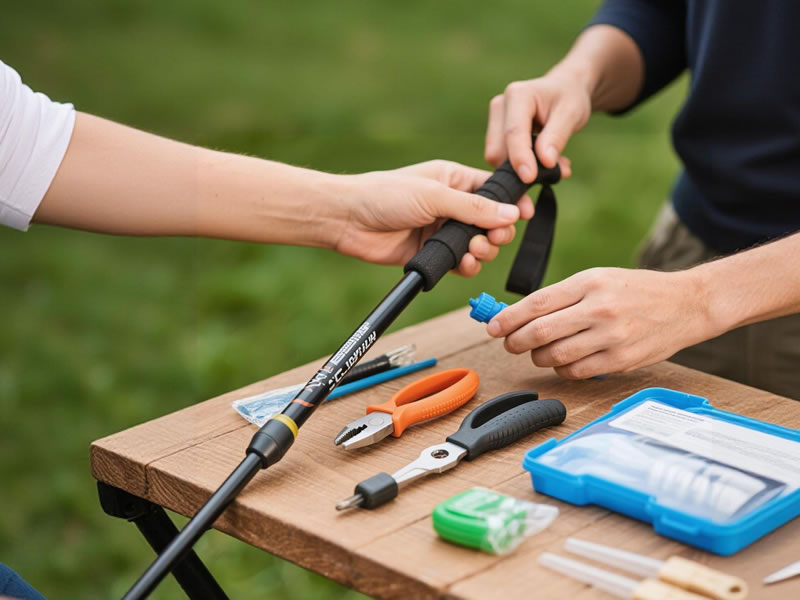
Your trekking poles are trusted companions on the trail, bearing weight, providing balance, and absorbing countless impacts. Like any precision tool, they require regular care to perform reliably. A well-stocked DIY maintenance kit is your first line of defense against trailside failures, ensuring your poles are always ready for the next adventure. Assembling this kit is simple, cost-effective, and can dramatically extend the life of your gear.
Recommended trekking pole purchase link: https://s.click.aliexpress.com/e/_c4M7OWaN
A comprehensive maintenance kit addresses three core needs: cleaning, lubrication, and emergency repair. Here are the essential items to include.
The Core Components:
- Isopropyl Alcohol & Microfiber Cloths: This is the most crucial cleaning duo. Isopropyl alcohol (70% or higher) is a superb solvent that cuts through dirt, grime, and sap without leaving a residue. It effectively degreases locking mechanisms and evaporates quickly, preventing moisture-related corrosion. Use the cloths for a thorough wipe-down after every hike.
- Silicone-Based Lubricant: Never use WD-40 or petroleum-based oils on your poles. These attract dirt and can damage plastics and seals. A dry, silicone-based lubricant is ideal. It protects metal parts from corrosion, keeps locking mechanisms operating smoothly, and doesn't gunk up. A small dropper bottle is perfect for the kit.
- Duct Tape: The ultimate backcountry quick-fix. Wrap a few feet around an old gift card or a pencil to save space. Duct tape can temporarily secure a cracked basket, mend a torn strap, or even act as an emergency splint for a bent aluminum shaft.
- A Repair Sleeve / Splint: This is your insurance policy against a broken pole. A simple, lightweight aluminum sleeve can be slid over a cracked or broken section and secured with a hose clamp (which you should also include) or your duct tape. It can provide enough structural integrity to get you safely back to the trailhead.
- Replacement Tips and Baskets: Tungsten carbide tips and plastic baskets are consumables. Tips wear down, and baskets crack. Carrying a spare set of each ensures you're never caught with a dull tip on a rocky descent or a missing basket in deep snow.
The Supporting Cast:
- Small Multi-Tool or Pocket Wrench: Many poles require a specific size Allen key for strap adjustment or grip replacement. A mini multi-tool with the correct bits covers all your adjustment needs.
- Stiff-Bristled Brush (Toothbrush): Perfect for scrubbing dirt out of lever locks, twist-lock threads, and the textured patterns on grips.
- Small Container of Wax (Candle Stub): Rubbing wax on the lower shaft sections can help prevent mud from sticking and makes the poles easier to collapse.
- Waterproof Bag or Pouch: Keep all these small items organized and dry in a simple ziplock bag or a durable silnylon pouch.
Proactive Maintenance Routine:
Your kit is useless without a routine. After each hike:
- Clean: Wipe down the entire pole with a damp cloth, using isopropyl alcohol on the locks and tips.
- Inspect: Check for stress cracks in carbon fiber, bends in aluminum, and wear on tips and baskets.
- Dry: Fully extend the poles and let them air dry completely before storage.
- Lubricate (Periodically): Apply a small amount of silicone lubricant to the internal components of lever locks and the threads of twist locks every few months or after exposure to heavy rain or mud.
In conclusion, a DIY walking pole maintenance kit is a small investment with enormous returns in safety, performance, and gear longevity. By taking just a few minutes for proactive care, you ensure that the tools you depend on for stability on treacherous terrain will never let you down. This self-reliance is the hallmark of a seasoned and prepared adventurer.




