




Benefits of Using Ultralight Trekking Poles for Backpacking
For the modern backpacker, every gram in the pack is a conscious decision. In this pursuit of a lighter load, some may question the necessity of trekking poles. However, the evolution of ultralight poles has transformed them from optional accessories into fundamental components of an efficient backpacking system. The benefits of integrating ultralight trekking poles into your kit extend far beyond mere weight savings, impacting your energy conservation, endurance, and overall trail experience in profound ways.
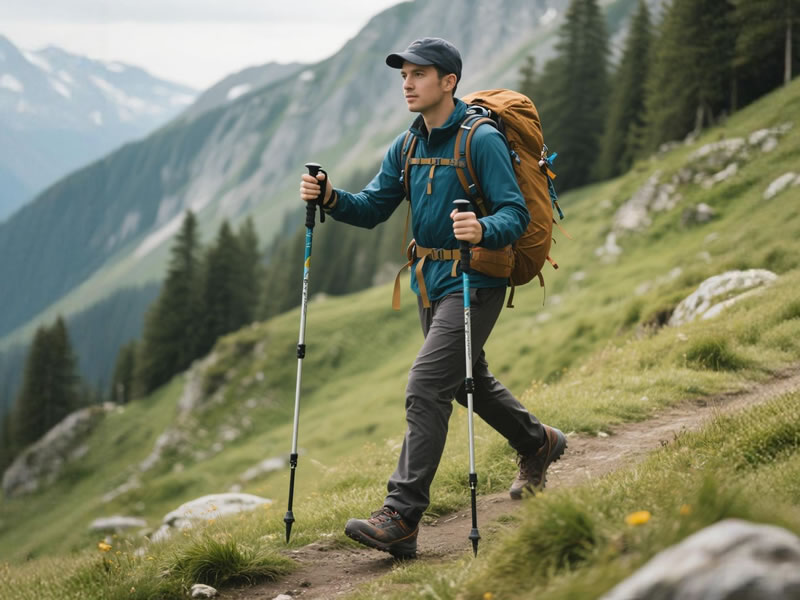
Recommended trekking pole purchase link: https://s.click.aliexpress.com/e/_c4M7OWaN
The most immediate and obvious advantage is, of course, the drastic reduction in weight. A pair of high-quality ultralight carbon fiber poles can weigh as little as 200-400 grams (7-14 ounces) for the set, compared to 600-800 grams (21-28 ounces) for a robust pair of aluminum poles. While saving 400 grams might seem trivial on paper, this weight is held in your hands and swung with every step. Over a 20-mile day, this translates to a massive reduction in the cumulative energy expended by your arms, shoulders, and back. This preserved energy can be the difference between arriving at camp exhausted or arriving with enough vigor to set up camp comfortably and enjoy the evening.
This weight saving synergizes perfectly with the second major benefit: superior packability. Most ultralight poles utilize a folding "Z-pole" design that collapses into a compact bundle, often under 40cm (16 inches) in length. This allows them to be stowed neatly inside or strapped securely to the outside of a modern, streamlined backpack without awkward protrusions. This is invaluable for sections of a hike that require the use of your hands—such as scrambling, using a map and compass, or navigating dense vegetation—allowing for quick and easy storage and retrieval.
Beyond the physics of weight and size, ultralight poles enhance the quality of your movement and long-term joint health. Despite their minimal weight, they provide the full stability and support of traditional poles. They help distribute the load from your lower body to your upper body, reducing fatigue and impact on your knees, especially during demanding descents with a heavy pack. Furthermore, carbon fiber has natural vibration-dampening properties, absorbing the high-frequency shock from trail impacts that can lead to arm and shoulder fatigue over many miles. This makes your hike feel noticeably smoother and less jarring.
The psychological benefit should not be underestimated. Carrying a lightweight pack and using lightweight poles creates a sense of agility and freedom that is central to the ultralight backpacking philosophy. This unburdened feeling can boost morale, increase your average pace, and allow you to focus more on the beauty of your surroundings and less on the strain of the journey.
In conclusion, the benefits of ultralight trekking poles for backpacking are cumulative and transformative. They are not just "lighter sticks"; they are a strategic investment in efficiency. By significantly reducing carried weight, offering unparalleled packability, providing essential stability with less fatigue, and contributing to a more enjoyable mental state, they empower you to hike farther, feel better, and deepen your connection with the wilderness. For the backpacker seeking to optimize their kit and their experience, ultralight trekking poles are not an optional extra—they are an essential tool for the trail.




