




How much weight do ultralight trekking poles save?
In the world of backpacking, where every gram is scrutinized, the question of weight savings is paramount. When considering a switch from standard to ultralight trekking poles, understanding the actual numbers is crucial for making an informed decision. The weight difference is not just a minor specification—it represents a significant reduction in the energy you'll expend with every arm swing over thousands of steps, directly impacting your endurance on the trail.
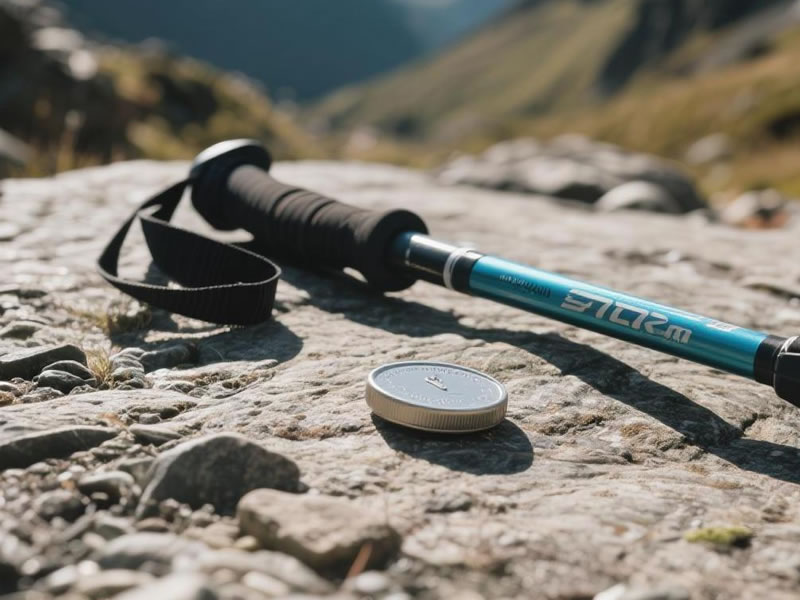
Recommended trekking pole purchase link: https://s.click.aliexpress.com/e/_c4M7OWaN
The savings are substantial and immediately noticeable. Let's break down the numbers:
- Standard Aluminum Trekking Poles: A typical pair of durable, telescopic aluminum poles weighs between 500 to 800 grams (18 to 28 ounces). This is the benchmark for reliability and value.
- Ultralight Trekking Poles: A quality pair of ultralight poles, typically made from carbon fiber and often using a folding Z-pole design, weighs between 200 to 400 grams (7 to 14 ounces) for the pair.
This translates to a direct weight saving of approximately 300 to 400 grams (10 to 14 ounces). To put that into perspective, saving 350 grams is equivalent to leaving behind a full can of soda, a substantial smartphone, or three standard energy bars. In the ultralight philosophy, where the goal is often a base pack weight under 4.5 kg (10 pounds), saving over 300 grams with a single gear swap is a monumental victory.
Beyond the Scale: The Real-World Impact of the Savings
While the number on the scale is compelling, the true value of this weight saving is experienced on the trail:
- Reduced Arm and Shoulder Fatigue: This is the most significant benefit. Unlike weight in your backpack, the weight of your poles is swung forward with every step. This repetitive motion magnifies the perceived weight. Lighter poles drastically reduce the cumulative fatigue in your arms, shoulders, and upper back, allowing you to hike longer and feel fresher at the end of the day.
- Improved Packability and Convenience: The weight saving often comes with a size advantage. Folding ultralight poles collapse into a compact bundle that can be easily stowed inside a backpack during technical sections or for travel, unlike longer telescopic poles that must be strapped to the outside.
- Enhanced Agility and Rhythm: Lighter poles feel less cumbersome, promoting a more natural and efficient hiking rhythm. They require less effort to plant and swing, which can lead to a quicker, more fluid pace, especially beneficial for fastpackers and trail runners.
The Trade-Off: Contextualizing the Savings
It's important to contextualize this saving. This reduction in weight often comes with a trade-off in absolute durability. Carbon fiber, while strong, can be more brittle than aluminum and may snap under a sharp, lateral impact where aluminum might only bend. Furthermore, ultralight poles often feature more minimalist grips and straps, which might be less comfortable for some users over very long distances.
Conclusion: A Strategic Investment in Efficiency
So, how much weight do ultralight trekking poles save? The answer is clear: a significant 300 to 500 grams (10 to 18 ounces) per pair. For the long-distance hiker, the thru-hiker, or anyone dedicated to minimizing their pack weight, this saving is not just a number—it's a direct investment in reduced fatigue and increased endurance.
The decision ultimately hinges on your priorities. If your goal is maximum durability for rugged, off-trail adventures on a budget, standard poles are excellent. But if you prioritize energy efficiency, packability, and shaving meaningful weight from your total load, the savings offered by ultralight trekking poles are very real and can profoundly enhance your comfort and performance on the trail.




