




Ultralight Trekking Poles for Beginners
Venturing into the world of hiking with ultralight trekking poles can significantly enhance your comfort, stability, and enjoyment on the trail. For beginners, the array of choices and technical specifications can feel overwhelming. The key is to find a pole that offers a gentle introduction to the benefits of trekking poles without the complexity or high cost of specialized professional models. The right beginner-friendly ultralight pole will build your confidence, teach you proper technique, and provide a solid foundation for your hiking journey.
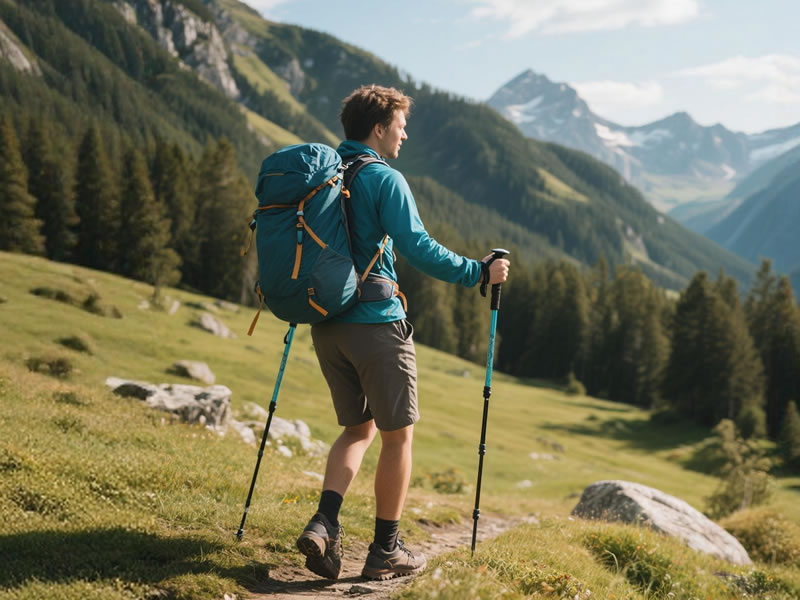
Recommended trekking pole purchase link: https://s.click.aliexpress.com/e/_c4M7OWaN
For those new to using poles, the ideal choice balances three critical factors: weight, adjustability, and durability. You want a pole light enough to feel beneficial, adjustable enough to learn proper form, and durable enough to withstand the inevitable learning curve.
Why Start with Ultralight?
Beginning with an ultralight pole, even a modest one, immediately introduces you to the concept of energy conservation. Heavier poles can cause premature arm and shoulder fatigue, which might discourage a new user. A lighter pole (in the 400-500 gram per pair range) allows you to focus on your technique and the trail ahead, rather than the weight in your hands. This makes the learning process more intuitive and enjoyable.
Recommended Features for Beginners
- Material: 7075 Aluminum is Your FriendWhile carbon fiber is lighter, starting with a high-quality aluminum pole like 7075-T6 alloy is wiser. It's more forgiving of lateral impacts and accidental misuse. If you jam it between rocks, it's more likely to bend than to snap catastrophically like carbon fiber can. This durability provides peace of mind as you learn to navigate different terrains.
- Telescopic Design with External Lever LocksAvoid folding Z-poles for your first pair. Telescopic poles with external lever locks (FlickLocks) are essential for beginners. They offer infinite adjustability, allowing you to experiment and find the perfect length for uphill, downhill, and flat terrain. This teaches you the fundamentals of pole ergonomics. The external levers are also far easier to understand, operate, and troubleshoot than internal twist locks.
- Comfortable, Versatile GripsLook for poles with a combination grip, typically featuring cork or foam on top with an extended lower foam sleeve. The cork/foam top provides a comfortable, moisture-wicking primary grip. The extended foam section is crucial; it gives you a second hand position for steep ascents without having to readjust the pole length—a key technique you'll learn.
- Standard, Reliable Tips and BasketsEnsure the poles have interchangeable tungsten carbide tips for grip and include rubber "paw" tips for use on rock or pavement. A set of small, standard trekking baskets will complete the package for most trail conditions.
Learning to Use Your Poles
Your first investment is in learning proper technique. The basic rule is that your elbow should form a 90-degree angle when the tip is on the ground by your foot. Shorten the poles for uphill sections and lengthen them for descents. Focus on a relaxed grip and a natural rhythm where the opposite arm and leg swing together.
A Smart, Future-Proof Investment
Starting with a versatile, durable, and adjustable pair of aluminum ultralight poles is a financially sound decision. They are affordable enough that you won't be devastated by early wear-and-tear, yet functional enough that they will remain useful even if you later decide to upgrade to a premium carbon fiber model for specific purposes. They can become your reliable backup set or your go-to poles for rough, rocky trails where durability is paramount.
In conclusion, the best ultralight trekking poles for beginners are not the absolute lightest or most high-tech models on the market. They are the thoughtful, well-rounded tools that teach you how and why to use poles effectively. By choosing an adjustable aluminum model, you are investing in your skills and confidence on the trail. This solid foundation will allow you to hike longer, with more stability, and ultimately, derive greater joy from every step you take into the wilderness.




