




How to Store Lighten Up Trekking Poles: The Complete Guide
Proper storage of your Lighten Up trekking poles is just as crucial as proper usage when it comes to maximizing their lifespan and maintaining optimal performance. Whether you're storing them between weekend hikes or during the off-season, following correct storage procedures will protect your investment and ensure your poles are always ready for your next adventure. This comprehensive guide covers everything from basic storage principles to advanced preservation techniques.
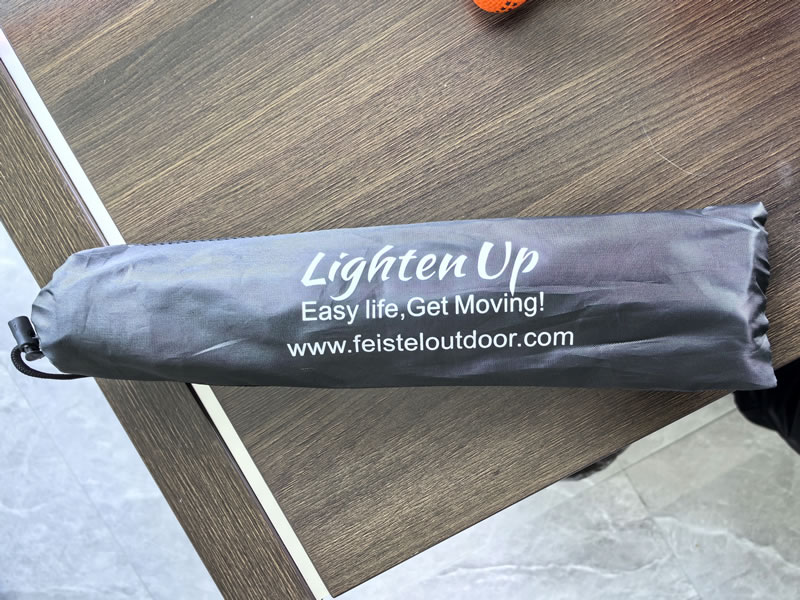
Recommended trekking pole purchase link: https://s.click.aliexpress.com/e/_c4M7OWaN
Understanding the Importance of Proper Storage
Trekking poles face several potential threats when stored incorrectly:
- Material degradation from UV exposure and temperature fluctuations
- Corrosion from residual moisture and humidity
- Spring and mechanism fatigue from constant compression
- Structural damage from improper positioning and pressure points
Pre-Storage Preparation: The Essential First Steps
Before storing your poles for any length of time, proper preparation is crucial:
1. Thorough Cleaning:
- Remove all dirt, mud, and debris from poles and mechanisms
- Pay special attention to cleaning locking mechanisms
- Use mild soap and water, then dry completely
2. Complete Drying:
- Ensure all moisture is eliminated, especially from internal sections
- Extend poles fully and allow to air dry for 24 hours
- Check for condensation in sealed sections
3. Mechanism Maintenance:
- Loosen all locking mechanisms to relieve spring tension
- Clean and lubricate moving parts if needed
- Ensure smooth operation before storage
Short-Term Storage Solutions (Between Hikes)
For periods of a week to several months:
Ideal Storage Position:
- Store poles vertically in a corner or using wall mounts
- If horizontal storage is necessary, ensure full support along the length
- Avoid leaning at sharp angles that could cause bending
Environmental Considerations:
- Keep in climate-controlled environments
- Maintain consistent temperature and humidity levels
- Avoid areas with direct sunlight exposure
Protective Measures:
- Use tip protectors to prevent accidental damage
- Consider breathable storage bags for dust protection
- Keep away from chemicals and cleaning agents
Long-Term Storage Strategies (Off-Season)
For storage periods exceeding three months:
Advanced Preparation:
- Conduct thorough inspection and maintenance
- Replace any worn components before storage
- Apply corrosion protection to metal parts
Optimal Storage Configuration:
- Store poles fully extended with locks slightly engaged
- Avoid complete collapse or maximum extension
- Use manufacturer's storage recommendations when available
Environmental Control:
- Maintain stable temperature between 50-75°F (10-24°C)
- Keep humidity below 50% to prevent corrosion
- Ensure good air circulation around stored poles
Material-Specific Storage Considerations
Aluminum Poles:
- Focus on moisture control to prevent oxidation
- Check for surface corrosion periodically
- Avoid contact with other metals
Carbon Fiber Poles:
- Protect from UV exposure which can degrade resins
- Avoid pressure points that could cause stress concentrations
- Store away from extreme temperature variations
Component-Specific Care:
- Remove and clean baskets separately
- Store grips in their natural shape
- Keep straps clean and dry
Common Storage Mistakes to Avoid
- Storing Dirty or Wet: Leads to corrosion and permanent damage
- Keeping Locks Tightened: Causes spring fatigue and mechanism wear
- Improper Positioning: Can lead to permanent bending or deformation
- Extreme Environments: Accelerates material breakdown
- Compression Storage: Risk of damaging internal components
Space-Efficient Storage Solutions
For Small Spaces:
- Use vertical wall mounts or ceiling hooks
- Consider under-bed storage containers
- Utilize closet organizing systems
Travel Storage:
- Use protective cases during transportation
- Choose appropriate luggage compartments
- Ensure secure fastening to prevent movement
Display Options:
- Decorative wall mounts for frequent users
- Custom rack systems for multiple pairs
- Accessibility-focused designs for regular access
Regular Storage Maintenance
Even during storage, periodic checks are essential:
Monthly Inspection:
- Check for any signs of corrosion or damage
- Ensure storage environment remains stable
- Verify poles maintain their structural integrity
Seasonal Maintenance:
- Exercise locking mechanisms quarterly
- Rotate storage position if applicable
- Update preservation methods as needed
Troubleshooting Storage Issues
Addressing Common Problems:
- Stiff mechanisms: Gently exercise and lubricate
- Surface corrosion: Clean and treat immediately
- Material stiffness: Allow to acclimate before use
Preventative Measures:
- Use silica gel packets in storage areas
- Implement regular inspection schedule
- Maintain detailed storage records
Conclusion: Protecting Your Investment
Proper storage of your Lighten Up trekking poles is an essential practice that preserves their performance, safety, and longevity. By implementing these storage techniques, you're not just putting away equipment—you're actively maintaining tools that will support your adventures for years to come. Remember that the few minutes spent on correct storage procedures will pay significant dividends in equipment reliability and trail readiness. Your Lighten Up poles are built for performance; proper storage ensures they'll continue to deliver that performance hike after hike, season after season. Whether you're a weekend warrior or a dedicated thru-hiker, these storage practices will keep your poles in peak condition and ready for whatever trails lie ahead.




