




Lifespan of Lighten Up Carbon Fiber Trekking Poles: What to Expect
Carbon fiber trekking poles, like those from Lighten Up, represent a significant investment in lightweight performance. Naturally, owners want to understand how long they can expect this investment to last. Unlike aluminum poles that may bend and show visible wear, carbon fiber's aging process is more subtle and complex. The lifespan of Lighten Up carbon fiber poles isn't a simple number of years; it's a combination of usage patterns, care, and an understanding of the material's unique characteristics.
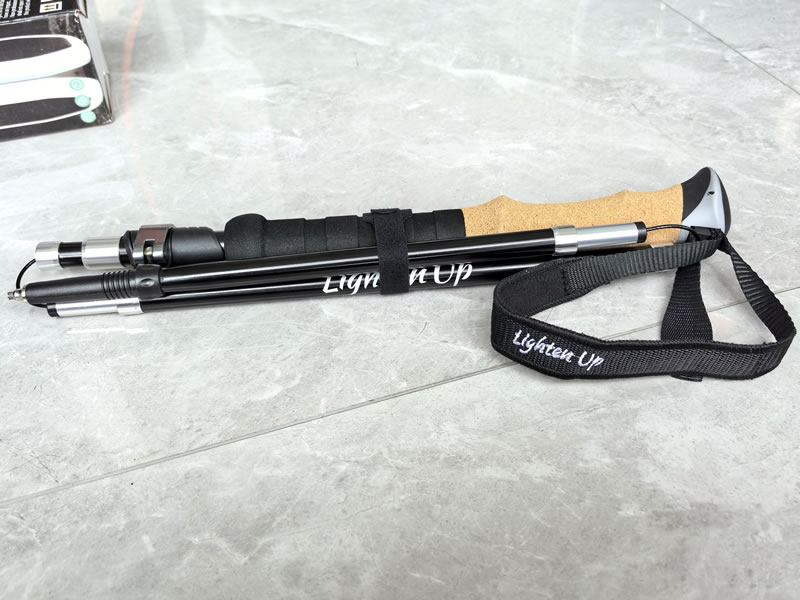
Recommended trekking pole purchase link: https://s.click.aliexpress.com/e/_c4M7OWaN
A well-maintained pair of Lighten Up carbon fiber poles used for typical weekend hiking and annual backpacking trips can easily provide 5 to 10 years of reliable service. However, for a thru-hiker putting thousands of hard miles on them annually, that lifespan may be condensed to 2 to 4 years. Let's explore the factors that dictate this range.
Key Factors Determining Lifespan
1. Usage Frequency and Intensity:
This is the single most important factor. A pole used for 30 weekend hikes a year will accumulate stress differently from one used on a continuous 2,000-mile thru-hike. Thru-hiking subjects poles to constant, daily stress with minimal recovery time, accelerating the fatigue process within the composite material.
2. Terrain and Handling:
- Gentle Terrain: Well-groomed trails place minimal stress on poles.
- Rugged Terrain: Rocky, uneven ground leads to frequent minor impacts and lateral stresses. The way you use the poles matters immensely. Jamming them forcefully between rocks or using them to lever your body weight creates the kind of side-loading that carbon fiber handles poorly.
3. Maintenance and Care:
Proper care is the biggest variable under your control. Poles that are regularly cleaned, properly stored, and carefully inspected will far outlast neglected ones. Exposure to UV radiation, moisture in the internal sections, and dirt in the locking mechanisms all contribute to premature aging.
4. Storage Conditions:
Consistently storing poles in a hot car or a damp garage can degrade the epoxy resin that binds the carbon fibers over time. Ideal storage is in a cool, dry place, away from direct sunlight.
The Unique Nature of Carbon Fiber "Wear"
Carbon fiber doesn't "wear out" in the same way aluminum does. Instead of gradually bending, it fails due to cumulative damage.
- Microfractures: Repeated impacts and stress cycles can create tiny, invisible cracks in the resin matrix.
- Delamination: This is a more serious failure where the layers of carbon fiber and resin begin to separate, often signaled by a buzzing or rattling sound when the pole is flexed.
- Impact Damage: A single sharp impact against a rock can cause a localized weak spot that may not be immediately visible but can lead to sudden failure later.
Critical Signs of Aging and When to Retire Your Poles
Regular inspection is crucial for safety. Retire your poles immediately if you notice any of the following:
- Visible Cracks or Splits: Any visible crack, no matter how small, means the structural integrity is compromised. Carbon fiber fails catastrophically, not gradually.
- Audible Signs: A crunching, cracking, or buzzing sound when the pole is flexed (gently, and not under load) indicates internal delamination.
- Soft Spots or Deformation: Gently run your hand along the shaft. Any area that feels soft, or where you can feel a deformation or "give," is a major red flag.
- Deep Gouges: Superficial scratches are normal, but a deep gouge that cuts into the carbon fibers themselves creates a critical stress point.
- Loss of Stiffness: If the pole feels noticeably more flexible or "mushy" during use compared to when it was new, it's a sign of internal damage.
How to Maximize the Lifespan of Your Poles
- Avoid Abuse: Never use your carbon fiber poles for prying, digging, or as a lever. This is the fastest way to damage them.
- Mind the Locks: Keep flick-lock mechanisms clean and properly adjusted. A slipping lock can create a sudden, high-stress event on the shaft.
- Travel Smart: When checking them on airlines, use a protective case or secure them tightly to the side of your backpack inside its travel case.
- Regular Inspections: Before and after each significant trip, conduct a thorough visual and tactile inspection. Flex the poles gently near your ear to listen for any unusual sounds.
- Clean and Store Properly: As outlined in our maintenance guides, keep them clean and store them correctly.
Conclusion: An Investment in Performance and Vigilance
The lifespan of your Lighten Up carbon fiber trekking poles is a direct reflection of the partnership between their engineered durability and your conscientious care. While they offer an unparalleled strength-to-weight ratio, they demand a more nuanced understanding than their aluminum counterparts. By treating them as precision instruments—respecting their limits, maintaining them diligently, and knowing the critical signs of aging—you can enjoy their lightweight benefits for many years and thousands of memorable miles. Ultimately, their longevity is the reward for a hiker's attentiveness, ensuring that these trusted tools remain safe and reliable companions on the trail.




