




How to Hang a Lighten Up Hammock Without Trees: The Ultimate Guide to Alternative Setups
The freedom of hammock camping doesn't have to end where the trees stop. Whether you're on a beach, in a desert, on a rocky plateau, or even in your own backyard, numerous creative solutions exist for hanging your Lighten Up Hammock when traditional anchor points are unavailable. This comprehensive guide explores safe, effective methods for enjoying your hammock in treeless environments while maintaining the comfort and safety standards that define the Lighten Up experience.
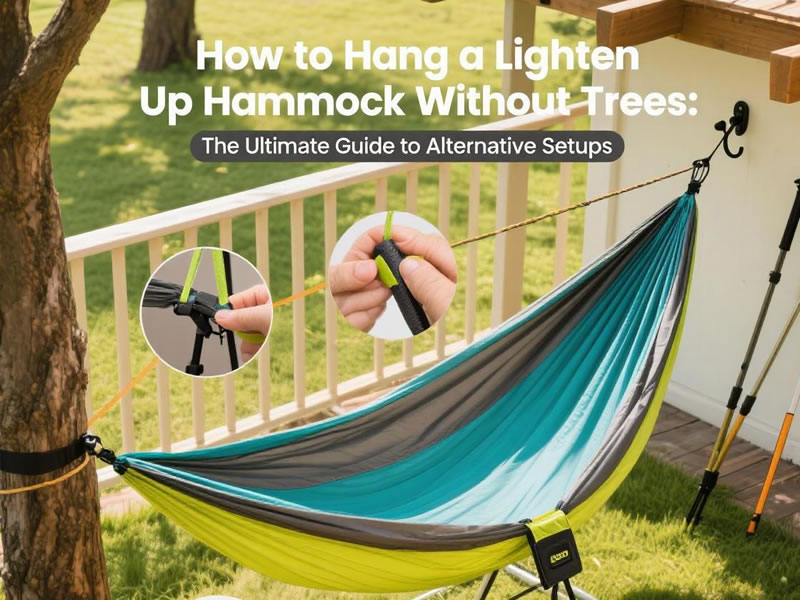
Portable Hammock Stands: The Most Reliable Solution
For frequent campers in treeless areas, investing in a quality portable stand offers the most versatile solution:
- Turtle Dog Stand: This popular DIY option uses three tripods (made from wood or aluminum poles) connected by a ridgepole. Lightweight and packable, it can be customized to fit your specific Lighten Up Hammock length and provides excellent stability when properly constructed.
- Commercial Stand Systems: Brands like Tensa Outdoor, Turtledog, and ENO offer engineered stands specifically designed for hammock camping. When selecting a commercial stand, ensure it accommodates your hammock's length (particularly important for 11-foot models) and weight capacity.
- Stand Compatibility Considerations: Measure your hammock's exact length and compare with stand specifications. Most Lighten Up Hammocks require stands with at least 12-13 feet of span for optimal hang.
Vehicle-Based Solutions: Your Mobile Anchor Point
Your vehicle can serve as an excellent anchor when other options are unavailable:
- Roof Rack Method: Secure straps to sturdy roof racks or roof rails on opposite sides of the vehicle. Use tree-friendly straps to prevent damage to your vehicle's finish, and ensure the hammock clears all vehicle surfaces.
- Trailer Hitch Attachment: Specialized hammock stands that insert into trailer hitches provide one stable anchor point, while using a tree, post, or second vehicle for the opposite end.
- Safety Considerations: Never attach to door frames, mirrors, or plastic components. Always ensure the parking brake is engaged, and avoid setting up where the vehicle might roll or shift.
Structural and Architectural Options
Man-made structures often provide excellent hanging opportunities:
- Fence Posts and Railings: Sturdy wooden or metal fence posts can serve as anchors if they're securely set in the ground. Test stability by applying gradual pressure before committing your full weight.
- Building Features: Porch columns, sturdy eaves, and covered patio frames may offer hanging possibilities. Always inspect for structural integrity and avoid historical or fragile structures.
- Playground Equipment: Sturdy swing sets, jungle gyms, and other reinforced structures can work well, though be mindful of public use regulations and safety considerations.
DIY and Natural Alternatives
When manufactured solutions aren't available, nature and ingenuity provide options:
- Boulder Method: In rocky terrain, large, stable boulders can serve as anchors. Use extra padding between straps and rock surfaces to prevent abrasion damage.
- Sand Anchor Systems: At the beach, specialized sand anchors (like those used for beach tents) can provide sufficient holding power when buried deep enough. A minimum depth of 24 inches is recommended, with a deadman-style anchoring technique.
- DIY Ground Screws: Large eye-bolts screwed into stable ground can create temporary anchor points, though this method works best in certain soil conditions and may not be suitable for all environments.
Technical Considerations for Treeless Hanging
Successful tree-free setups require attention to specific technical details:
- Force Vector Calculations: Unlike tree hanging where forces are primarily downward, alternative setups often create different force vectors. Understand that the same weight creates significantly more force when anchor points are less than ideal.
- Suspension Angle Adjustments: The standard 30-degree hang angle may need modification based on your specific setup. Generally, wider angles reduce stress on anchor points but affect comfort.
- Height and Clearance Requirements: Ensure adequate ground clearance and consider that some setups may sag differently than traditional tree hangs.
Safety Protocols for Alternative Setups
Extra precautions are essential when hanging without trees:
- Progressive Weight Testing: Gradually apply weight to your setup—start with kneeling, then sitting, then full weight while monitoring for any movement or instability.
- Redundancy Systems: Where possible, implement backup safety systems such as secondary straps or ground pads beneath your hammock.
- Regular Inspection: Frequently check all connection points, hardware, and anchor stability during use, as alternative setups may shift under load.
- Weather Considerations: Wind creates additional dynamic forces that can stress non-traditional setups more than stable tree anchors.
Equipment Recommendations for Treeless Hanging
Enhance your tree-free hammock experience with these specialized accessories:
- Extended Straps: Longer straps (15-20 feet) provide flexibility for unusual anchoring distances.
- Carabiner Extenders: These create additional space between your hammock and anchor point when needed.
- Structural Ridgeline: A fixed ridgeline ensures consistent sag regardless of anchor distance, significantly improving comfort in variable setups.
- Ground Protection: Extra padding prevents damage to vehicle surfaces or architectural features.
Conclusion: Expanding Your Hammock Horizons
Mastering the art of hanging your Lighten Up Hammock without trees dramatically expands your possible camping and lounging locations. From beach vacations to desert expeditions to urban environments, these techniques ensure your comfort never depends on finding the perfect pair of trees.
While tree-based hanging remains the simplest method, the solutions outlined here—from portable stands to creative structural use—provide reliable alternatives that maintain the comfort and safety standards you expect from Lighten Up products. With proper technique, careful attention to safety, and the right equipment, you can confidently set up your hammock virtually anywhere, transforming previously unusable spaces into comfortable outdoor retreats.
Remember that practice makes perfect—test these methods in controlled environments before relying on them in remote locations. Your willingness to explore these alternative setups ultimately translates to more opportunities to enjoy the unique comfort and perspective that only hammocking can provide, regardless of what nature (or civilization) provides in the way of anchor points.




