




Can You Use Lighten Up Hammock in the Rain? A Complete Guide to Wet Weather Hammocking
The question of whether you can use your Lighten Up Hammock in rainy conditions is more nuanced than a simple yes or no answer. While these hammocks are engineered with weather-resistant features that make them suitable for brief exposure to precipitation, understanding their capabilities and limitations in wet weather is crucial for both comfort and safety. This comprehensive guide explores everything you need to know about using your Lighten Up Hammock when the skies open up.
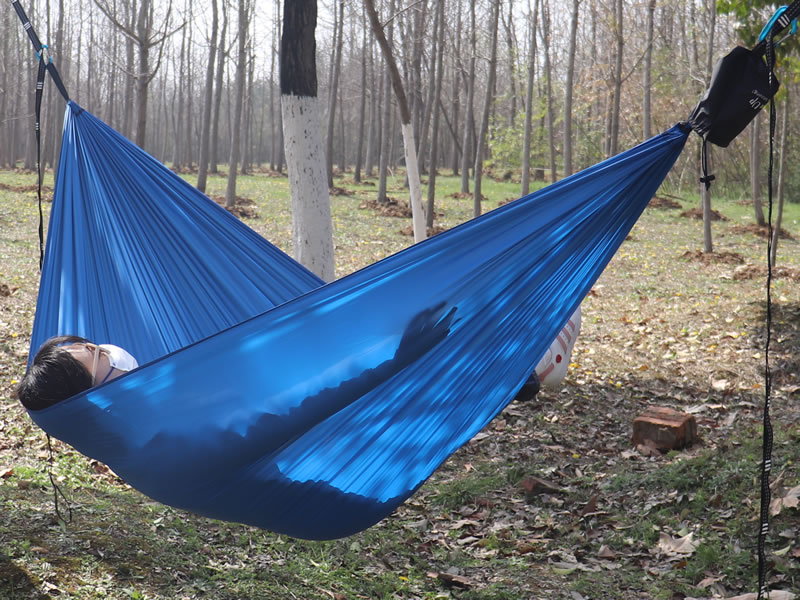
Understanding the Hammock's Built-In Weather Resistance
Lighten Up Hammocks feature silicone-impregnated ripstop nylon fabric that provides inherent water-resistant properties:
- Water Beading: The silicone treatment causes water to bead up and roll off the fabric rather than immediately soaking through
- Quick-Drying Characteristics: The synthetic nylon material dries remarkably quickly when exposed to air and sunlight after rainfall
- Limited Protection: This resistance is designed for unexpected brief showers rather than sustained downpours
The Essential Companion: The Rain Fly
For anything more than a light drizzle, a rain fly (also called a tarp) is absolutely essential:
- Proper Coverage: A well-positioned rain fly should extend 6-12 inches beyond the hammock ends and provide adequate side coverage to protect against wind-driven rain
- Pitch Options: The A-frame configuration offers classic protection, while porch mode provides better ventilation during warm rains, and storm mode maximizes coverage during heavy weather
- Lighten Up's Compatible Options: The brand offers specifically designed rain flies that integrate seamlessly with their hammock systems
Strategic Setup for Wet Weather
Your hanging technique needs adjustment when rain is expected:
- Increased Sag: Allow slightly more sag in your hammock than usual to create a steeper angle for water runoff away from your sleeping area
- Lower Profile: Hang your hammock lower to the ground to reduce exposure to wind and driving rain, while still maintaining sufficient clearance from ground moisture
- Orientation Matters: Position your hammock so the foot end faces prevailing winds, as this creates a smaller opening for rain to enter
Additional Protective Measures
Beyond the rain fly, consider these wet-weather enhancements:
- Drip Lines: Attach short cords to your suspension lines to prevent water from traveling down the straps and into your hammock
- Underquilt Protection: Use an underquilt protector or weather shield to add an extra layer of defense against splashing and mist
- Gear Management: Hang a gear sling beneath your hammock to keep belongings off the wet ground while remaining accessible
Comfort Considerations in Damp Conditions
Even with proper rain protection, humidity and condensation present challenges:
- Ventilation is Key: Create adequate airflow between your hammock and rain fly to minimize condensation buildup
- Temperature Management: Rain often brings temperature drops, so adjust your insulation system accordingly
- Moisture-Wicking Layers: Wear appropriate clothing that manages perspiration, as internal moisture can be as problematic as external rain
Limitations and Safety Concerns
There are specific scenarios where using any hammock in rain becomes problematic:
- Thunderstorms: Seek alternative shelter during electrical storms, as hammocks position you in an exposed location
- Flash Flood Areas: Avoid hanging in drainages, arroyos, or other areas susceptible to sudden flooding
- Extreme Winds: Heavy rains often accompany strong winds that can compromise your setup
Post-Rain Care and Maintenance
Proper aftercare ensures your hammock remains in optimal condition:
- Thorough Drying: Never store a damp hammock; hang it indoors or in a well-ventilated area until completely dry
- Inspection: Check for any water spots or areas where water may have penetrated the fabric treatment
- Periodic Re-Waterproofing: Refresh the DWR (Durable Water Repellent) coating as needed based on usage frequency
Real-World User Experiences
Feedback from experienced Lighten Up Hammock users reveals:
- "The standard fabric handles light rain surprisingly well, but anything more than 20 minutes requires the rain fly"
- "Proper tarp positioning made the difference between a dry night and a miserable one during a mountain downpour"
- "The quick-dry feature saved me when an unexpected shower caught me without my tarp deployed"
Conclusion: Preparedness Makes Perfect
Yes, you can absolutely use your Lighten Up Hammock in the rain—with proper preparation and equipment. The hammock's inherent water resistance provides a buffer against brief precipitation, but for anything more substantial, a quality rain fly and strategic setup are non-negotiable. The key to comfortable wet-weather hammocking lies in understanding that your hammock is just one component of a system that must work together to keep you dry.
By investing in the appropriate accessories, mastering weather-specific setup techniques, and committing to proper aftercare, your Lighten Up Hammock transforms into a versatile shelter capable of handling diverse weather conditions. This preparedness ensures that instead of watching rain forecasts with anxiety, you can welcome the soothing sound of rainfall as just another element of your outdoor experience—all while remaining comfortably suspended and dry in your trusty hammock.




