




Best Way to Pack a Lighten Up Hammock: The Ultimate Guide to Proper Storage and Transportation
Mastering the art of packing your Lighten Up Hammock not only extends its lifespan but also ensures you're always ready for spontaneous adventures. The way you pack and store your hammock significantly impacts its waterproof capabilities, fabric integrity, and overall performance. This comprehensive guide covers everything from daily packing techniques to long-term storage solutions that will keep your hammock in peak condition for years to come.
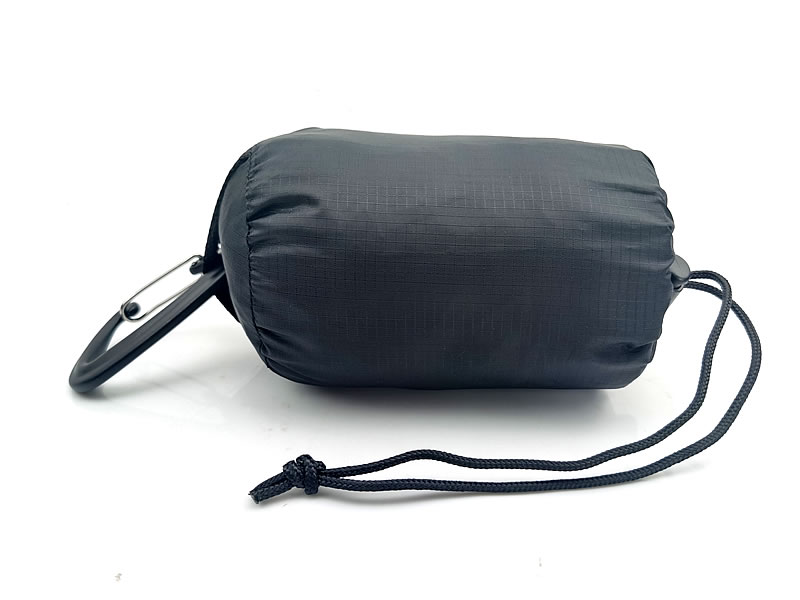
Understanding Why Proper Packing Matters
Before diving into techniques, it's crucial to understand what you're protecting:
- Fabric Integrity: High-tenacity ripstop nylon can develop permanent creases and weakened areas if repeatedly folded the same way
- Waterproof Coating: The silicone-impregnated treatment can crack and peel if stored with sharp folds
- Stitch Longevity: Proper packing reduces stress on the triple-stitched seams and bar-tacked reinforcement points
- Quick Deployment: A well-packed hammock deploys faster when you reach camp tired or when weather turns unexpectedly
The "Stuffing" Method: Why It's Superior to Rolling
While rolling might seem neater, stuffing is universally recommended by outdoor professionals:
- Start Completely Dry: Never pack a damp hammock—moisture trapped during storage creates mildew and degrades fabric coatings
- Preparation: Lay the hammock flat and ensure no debris, leaves, or dirt remain in the fabric or end channels
- The Process: Hold your stuff sack open with one hand while using the other to loosely feed the hammock into the bagStart with one end and continuously feed materialAvoid organized folding or rollingAllow the fabric to find its natural arrangement
- Benefits:Eliminates consistent stress pointsPrevents permanent creasesAllows air circulation within the sackMakes the hammock more compressible in your pack
Separate Component Storage: Protecting Your Investment
Your suspension system requires different care than the hammock body:
- Suspension Straps: These should be loosely coiled or folded and stored in a separate compartment to prevent abrasion against the delicate hammock fabric
- Carabiners: Keep these secured in their own small pouch or designated pocket to prevent them from scratching other gear
- Accessories: Bug nets, rain flies, and underquilts should each have their own storage solutions
Advanced Packing Techniques for Different Scenarios
Ultralight Backpacking Method:
- Remove the hammock from its original stuff sack
- Pack it loosely in the bottom of your backpack, allowing it to fill empty spaces around other gear
- This technique maximizes space efficiency and reduces packed volume
Quick-Access Day Hike Approach:
- Use the provided stuff sack but employ the stuffing method
- Store in an external backpack pocket for rapid deployment during trail breaks
- Keep suspension straps in a separate, easily accessible location
Vehicle Camping Organization:
- Use a larger storage bag that accommodates the hammock, straps, and accessories together
- This sacrifices compactness for organizational convenience
Seasonal Storage Considerations
When storing your hammock for extended periods:
- Clean Thoroughly: Ensure no dirt, sap, or salt residues remain
- Air Dry Completely: Hang indoors for 24-48 hours before final storage
- Choose the Right Environment: Store in a cool, dry place away from direct sunlight
- Use Breathable Containers: Cotton storage bags are preferable to plastic containers
- Avoid Compression: Don't stack heavy items on top of stored hammocks
Common Packing Mistakes to Avoid
- Tight Rolling: Creates permanent creases that weaken fabric and compromise waterproof coatings
- Stuffing While Wet: The leading cause of mildew and fabric degradation
- Mixing Components: Straps and hardware can abrade the hammock fabric during transport
- Over-Compression: Using compression sacks can damage the delicate nylon fibers
- Sun Exposure: Storing packed hammocks in direct sunlight accelerates UV degradation
Field-Tested Tips from Experienced Users
- "I keep a small silica gel packet in my stuff sack to absorb any residual moisture"
- "Color-code your stuff sacks—I use yellow for hammock, blue for rain fly, and red for suspension"
- "When packing in cold weather, be extra careful—the fabric becomes more brittle and susceptible to damage"
- "I practice packing and unpacking at home to streamline my process for when I'm tired at camp"
Maintaining Organization in the Field
Develop a system that works for your specific needs:
- Designated Pack Locations: Always store your hammock in the same backpack compartment
- Modular Systems: Use different colored stuff sacks for various components
- Checklist Routine: Develop a pre-packing checklist to ensure you have all components
- Weather Preparedness: Keep rain gear more accessible than your hammock during uncertain weather
The Relationship Between Packing and Longevity
Proper packing directly correlates with your hammock's lifespan:
- Abrasion Prevention: Correct packing reduces fabric-on-fabric friction during transport
- Coating Preservation: The silicone treatment remains effective longer without sharp fold lines
- Stitch Protection: Reinforced seams maintain integrity without constant stress
- Hardware Longevity: Separated storage prevents corrosion and damage to carabiners
Conclusion: Developing Your Personal Packing System
The "best" way to pack your Lighten Up Hammock ultimately depends on your specific needs, but the principles of keeping it dry, avoiding consistent fold lines, and separating components remain constant. By adopting the stuffing method and implementing the organizational strategies outlined here, you'll not only extend your hammock's functional life but also enhance your overall outdoor experience.
Remember that the few extra minutes spent packing properly pay significant dividends in gear longevity and camp setup efficiency. Your Lighten Up Hammock is designed to be a reliable companion for countless adventures—treat it with the care it deserves during storage and transportation, and it will reward you with years of comfortable hangs in the great outdoors.




