




Best Rain Tarp to Use with a Lighten Up Hammock
Selecting the best rain tarp for your Lighten Up Hammock isn't just about staying dry—it's about transforming your hammock into a versatile, all-weather shelter capable of handling sun, wind, and downpours. The right tarp creates a protected living space, extending your comfort and safety on any adventure. This guide breaks down the key features to consider, helping you choose the perfect overhead cover to match your hammock and your ambitions.
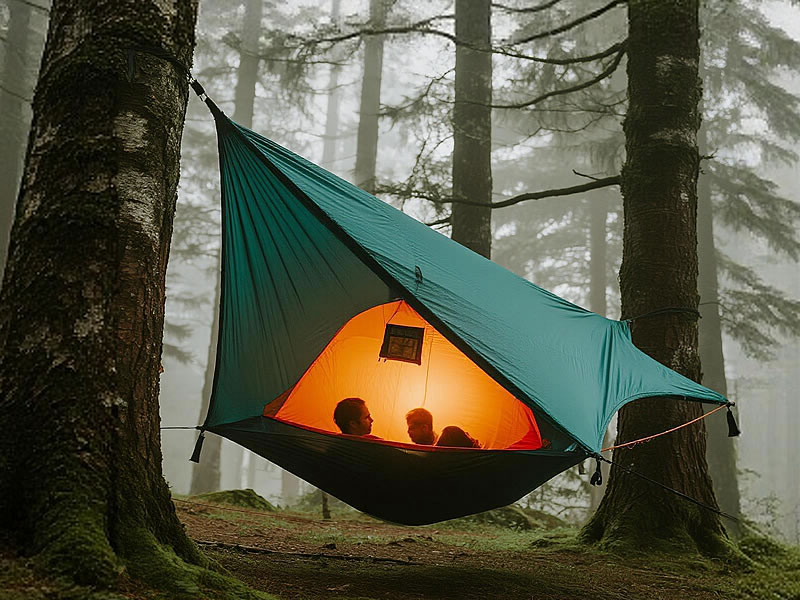
Why Your Tarp Choice Matters
A tarp is your primary defense against the elements. Beyond mere rain protection, it provides crucial shade, blocks wind chill, reduces condensation, and offers psychological shelter—a "ceiling" that makes your camp feel more secure. For a Lighten Up Hammock, compatibility is straightforward, so your choice should be guided by material, shape, size, and intended use.
Key Factors in Choosing the Best Rain Tarp
1. Material & Weather Resistance:
- Siliconized Nylon (SilNylon): The gold standard for backpackers. It's incredibly lightweight and packs very small, but has minimal stretch when wet. Ideal for those counting ounces.
- Polyester (with PU coating): Slightly heavier but more affordable and resistant to sagging when wet. It's durable and offers excellent value for frequent car campers or base camp use.
- Reinforced Corners & Tie-Outs: Look for bartacked reinforcement at all tie-out points. This is critical for withstanding gusty winds without tearing.
2. Shape & Coverage:
The shape dictates coverage, weight, and setup flexibility.
- Hex/Asymmetrical Tarp: The most popular choice for weight-conscious hammock campers. A hex tarp (with 6 tie-outs) provides excellent angled coverage for rain, while an asymmetrical cut is designed to cover a diagonal lay efficiently. Both offer great protection with minimal weight but require more precise pitching.
- Rectangle/Square Tarp: Offers maximum versatility and coverage. It can be pitched in numerous configurations (A-frame, lean-to, enclosed) and provides generous dry space for gear storage and cooking. The trade-off is slightly more weight and bulk.
- Winter/Door Tarp: Features "doors" or flaps on the ends that can be closed completely in stormy or cold weather, creating a near-fully enclosed, weather-tight cocoon. Essential for four-season or high-wind camping.
3. Size & Length:
This is non-negotiable. Your tarp must be longer than your hammock. As a rule of thumb:
- For an 11-foot Lighten Up Hammock, choose a tarp with a ridge line length of at least 11 feet, with 12 feet being ideal. This ensures the ends of your hammock and suspension are protected from blowing rain.
- Width is equally important. A tarp with a 8-10 foot width provides adequate coverage to keep you and your gear dry.
4. Features & Accessories:
- Multiple Tie-Outs: Center panel tie-outs (on larger tarps) allow you to create more interior space and improve wind shedding.
- Continuous Ridgeline vs. Split Setup: A continuous ridgeline (a single line running over the tarp) is often the easiest and most adjustable method for hanging a tarp.
- Compatible Hardware: Ensure you have strong, lightweight stakes and adjustable guylines (like shock-corded lines) for a quick, storm-worthy pitch in any condition.
Our Top Recommendations for Lighten Up Hammocks
Based on these criteria, here are the top tarp categories:
- For the Ultralight Backpacker: A 12-foot SilNylon Hex Tarp (approx. 16-20oz) offers the best weight-to-coverage ratio, perfect for three-season trails where every gram counts.
- For the All-Round, 3-Season Camper: A 12-foot Rectangle Tarp in durable polyester provides unmatched versatility and space for weekend trips, family outings, or less weight-sensitive travel.
- For Serious Weather & Winter Camping: A Winter Tarp with Doors, whether in SilNylon or Polyester, is the ultimate shield. The ability to batten down the hatches in wind, snow, or driving rain is invaluable for safety and comfort.
Pro Tips for Setup and Use
- Practice at Home: Never wait for a storm to pitch your tarp for the first time. Familiarize yourself with the knots and adjustments in your backyard.
- Pitch Angle: In fair weather, pitch your tarp higher for views and ventilation. As storms threaten, lower and tighten the pitch to the hammock ridgeline for maximum protection.
- Seam Seal: Even factory-taped seams can benefit from a careful application of seam sealer (specific to your tarp's material) for 100% waterproof security.
Conclusion: Shelter is the Foundation of Comfort
The best rain tarp for your Lighten Up Hammock is the one that matches your most demanding conditions. Investing in a quality tarp—with the right size, material, and features—ensures your hammock system is truly complete. It's the key to unlocking year-round adventures, transforming a fair-weather lounger into a resilient, go-anywhere shelter.
Ready to weather any storm in comfort? Explore a range of high-performance tarps, from minimalist hex designs to full-coverage winter models, at the Lighten Up Hammocks official site and trusted outdoor retailers. Pair it with your hammock and sleep soundly, no matter what the sky brings.




