




How to Attach an Underquilt to a Lighten Up Hammock: A Complete Guide
A properly attached underquilt is the single most important piece of gear for comfortable cold-weather hammocking. It creates a vital layer of still, warm air beneath you, combating the convective heat loss that makes traditional sleeping bags ineffective in a hammock. Attaching it correctly to your Lighten Up Hammock ensures maximum warmth, prevents frustrating drafts, and secures your investment. This guide provides a step-by-step process, from initial setup to fine-tuning the perfect hang.
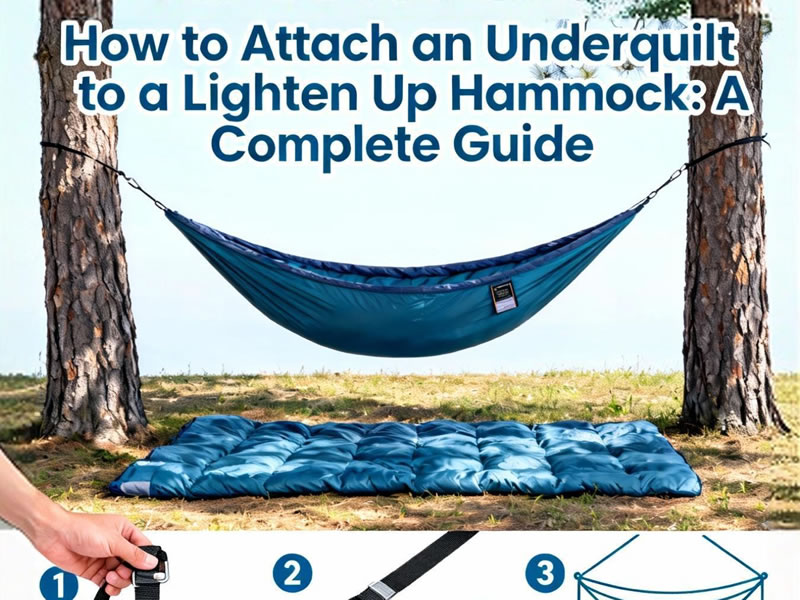
Understanding the System: Parts of an Underquilt
Before you begin, familiarize yourself with the key components of a standard three-season underquilt:
- Primary Suspension: The main shock-cord lines running from the head and foot ends of the quilt. These bear most of the weight.
- Secondary Suspension (Side Adjustments): Shock cords or lines running along the long sides of the quilt, used to tighten it laterally against the hammock body.
- Draft Collars: Insulated baffles or channels at the head and foot ends designed to seal gaps and trap warm air.
- Attachment Points: Typically small plastic tri-glides, cord locks, or loops at all four corners and along the sides.
Step-by-Step Attachment Guide
Phase 1: Preparation & Initial Connection
- Lay Out Your Gear: On the ground, loosely lay out your Lighten Up Hammock and fully unfurl the underquilt. Identify all suspension lines and ensure they are untangled.
- Locate Attachment Points: Find the main suspension loops (continuous loops or carabiners) at each gathered end of your hammock. These are your primary anchor points.
- Attach the Primary Suspension:Clip or tie the underquilt's head-end main suspension to the hammock's corresponding end loop. Do not tighten it fully yet.Move to the foot end, pull the quilt along the ground, and attach its foot-end main suspension to the other hammock loop.At this stage, the underquilt will sag loosely below the hammock. This is normal.
Phase 2: Hanging & Initial Tensioning
- Hang the Hammock: Hang your Lighten Up Hammock at its normal, comfortable sitting height. The underquilt will now be suspended beneath it.
- Set the Primary Tension: Standing beside the hammock, reach underneath and pull down on the primary suspension shock cords. Adjust them so the underquilt's top edge rises to just meet the bottom of the hammock when it's empty. Avoid pulling it too tight, as this will compress the insulation when you lie down. A slightly loose initial hang is better.
Phase 3: The Crucial Fine-Tuning (In the Hammock)
- Get In and Test: This is the most critical step. Carefully get into your hammock as you normally would, lying diagonally in your preferred position.
- Adjust for Gaps: Once inside, have a partner assist you, or carefully reach out to adjust the secondary side suspension. Tighten these side cords to pull the quilt snugly against the hammock's curves, eliminating any air gaps along your shoulders, hips, and calves.
- Seal the Ends: Ensure the draft collars at each end are positioned close to your body. Tighten the end cords to close off these openings, preventing warm air from escaping.
- Final Check: Shift around slightly. The quilt should move with you, maintaining contact without feeling constrictive. There should be no sagging areas where cold air can pool.
Common Problems & Pro-Tips
- Problem: Cold Shoulders or Backside.Solution: This is almost always a side gap. Exit the hammock and slightly tighten the secondary suspension on the affected side, then retest.
- Problem: Underquilt Feels Tight and Lifts the Hammock.Solution: The primary suspension is too short or too tight. Lengthen the main shock cords at both ends to allow more sag.
- Problem: Ends Are Loose or Floppy.Solution: Tighten the specific shock cords that control the draft collars and the very ends of the primary suspension.
- Pro-Tip for Wind: In windy conditions, tighten the entire system slightly more than usual to minimize air flow underneath.
- Pro-Tip for Compatibility: Most modern underquilts are designed for universal fit on 10-11 foot hammocks like Lighten Up models. Always check the manufacturer's compatibility notes, but the adjustment process remains the same.
Conclusion: Mastery Through Practice
Attaching an underquilt is a skill that improves with practice. The key is understanding the two-stage process: a rough hang from the outside, followed by essential fine-tuning from inside the hammock. A perfectly dialed-in underquilt feels like a warm, invisible cloud supporting you, extending your camping season by months and transforming your Lighten Up Hammock into a true four-season shelter. Take the time to practice in your backyard before heading into the cold; your comfort on the trail depends on it. Once mastered, this setup delivers unparalleled warmth and coziness, making it the ultimate cold-weather upgrade for any hammock camper.




