




What is the Expected Lifespan of a Frequently Used Lighten Up Hammock?
This is a common and practical question for any dedicated hammock enthusiast. While we all wish for a single, definitive number, the honest answer is: a well-cared-for Lighten Up Hammock, used regularly (e.g., weekly), can easily provide 3 to 5 years of reliable service, and often much longer. This lifespan isn't a fixed expiration date but a reflection of how the hammock's materials interact with several key variables under your control. Think of it less like a battery with a set cycle count and more like a high-performance outdoor garment—its longevity is directly tied to your maintenance habits and usage environment.
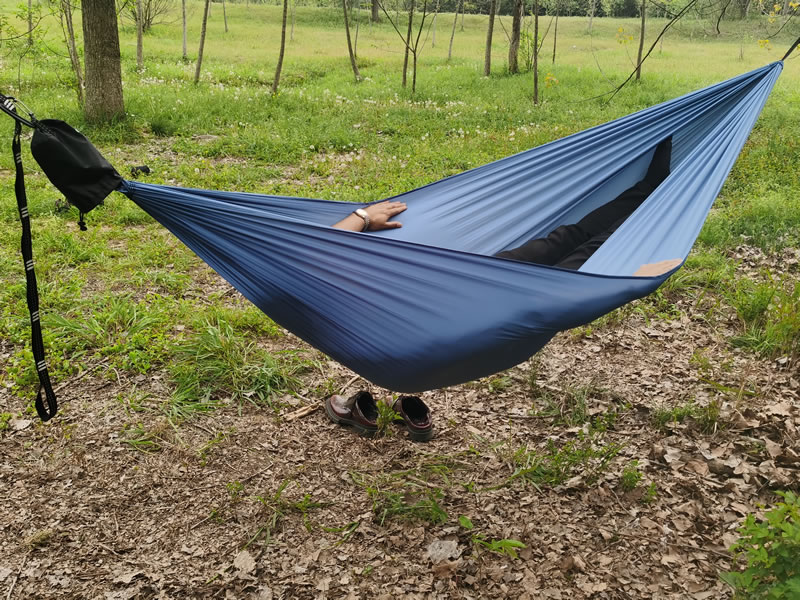
Key Factors That Determine Lifespan
Understanding what wears out your hammock is the first step to extending its life.
- Fabric Fatigue (The Primary Factor): The nylon or polyester fabric is subject to constant stress, especially at the gathered ends and along the ridgeline where body weight concentrates. Frequent use itself is less damaging than improper hanging. A hammock hung too tightly places exponentially greater force on the fibers with each use, accelerating fatigue. The recommended 30-degree hang angle is critical for distributing stress evenly.
- UV Degradation (The Silent Killer): This is the single greatest environmental threat. Prolonged, direct sunlight breaks down the molecular bonds in synthetic fabrics, making them brittle and weak. A hammock left hanging in full sun for an entire season will fail much sooner than one used just as often but stored between uses or shielded by a tarp. UV damage is cumulative and irreversible.
- Moisture and Mold: Storing the hammock while damp, or using it in consistently humid conditions without ever drying it out, invites mildew. Mold weakens fibers and causes stains and odors that are difficult to remove.
- Proper Care and Cleaning: Abrasive cleaning agents, machine washing with harsh detergents or heat, and improper drying can prematurely age the fabric. Following the manufacturer's care instructions is essential.
- Environmental Abrasion: Contact with rough bark, dirt, sand, and sharp objects (like campfire embers) can cause punctures, tears, or abrasive wear.
Signs of Wear: Knowing When to Inspect and Repair
Regular inspection is your best tool for maximizing lifespan. Look for these indicators:
- Fading: Significant color fade is the first visual sign of UV degradation.
- Stiffness or Chalkiness: Fabric that feels stiff, brittle, or has a white, chalky residue has suffered UV damage and lost flexibility.
- Thinning or "Pilling": Areas that appear visibly thinner or develop a fuzzy texture are experiencing fiber breakdown.
- Stretched or Deformed Stitch Lines: Check the seams and end channels for any distortion.
- Small Holes or Fraying: Address any minor damage immediately with a repair patch to prevent a small issue from becoming a large tear.
The "Frequently Used, Well-Maintained" Scenario
For a user who hangs their hammock every weekend for 8 months of the year, following best practices, here’s a realistic timeline:
- Years 1-3: Peak performance. The hammock remains strong, supple, and shows minimal signs of wear with proper care.
- Years 3-5: Noticeable but manageable wear. You may see moderate fading and some fabric softening. Minor repairs with adhesive patches might be needed. The hammock remains perfectly safe if it passes regular inspections.
- Years 5+: The "golden years" are achievable with exceptional care. The hammock may show significant fade and feel less taut, but its functional integrity can remain intact. Its use may shift from primary sleeping to more casual backyard lounging.
How to Maximize Your Hammock's Lifespan: A Proactive Checklist
You have direct control over extending its service life. Adopt these habits:
- Always Hang with Sag: Use the 30-degree rule to minimize stress.
- Never Store It Hung in the Sun: Take it down after each use. UV exposure is cumulative.
- Use a Tarp for Daytime Lounging: Create shade to block UV rays during extended daytime hangs.
- Clean Gently and Dry Thoroughly: Only use mild detergent and cold water. Air dry completely before storage.
- Store Properly: Keep it clean, dry, and in a cool, dark place (like its storage sack in a closet).
- Inspect and Repair Promptly: Fix small holes immediately with tenacious tape or a patch kit.
- Avoid Abrasive Surfaces and Heat Sources: Be mindful of branches, rough bark, and campfire sparks.
Ultimately, the lifespan of your Lighten Up Hammock is a partnership between its quality construction and your stewardship. By understanding the factors that cause wear and adopting a proactive maintenance routine, you can confidently expect many years of comfortable hangs, ensuring your investment continues to deliver relaxation and adventure season after season. When in doubt, always err on the side of caution and inspect thoroughly—your safety is the final metric that determines when a hammock has reached the end of its serviceable life.




