




Carabiner with a Leather Accent: Rugged Style Meets Function
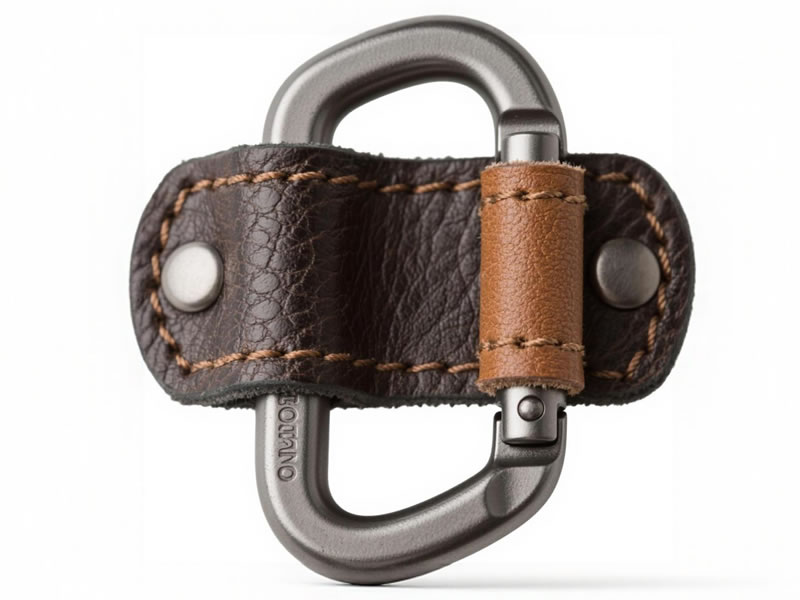
In the world of everyday carry and functional accessories, the carabiner is a cornerstone of utility. Yet, for those who seek to blend rugged performance with a touch of personal warmth and style, the standard metal clip can feel sterile. Enter the carabiner with a leather accent—a sophisticated fusion that marries the unyielding strength of metal with the organic, evolving character of leather. This hybrid design transcends mere tool status, becoming a statement piece that appeals to the minimalist, the outdoorsman, the professional, and the style-conscious individual alike. It represents a thoughtful convergence of materials, where each component elevates the other to create an accessory that is greater than the sum of its parts.
The Philosophy of the Design: A Tale of Two Materials
The core appeal lies in the intentional contrast. The metal frame—typically stainless steel, aluminum, or titanium—provides the non-negotiable structural integrity: a reliable gate mechanism, high tensile strength, and resistance to deformation. It is the symbol of trust and function.
The leather element, however, introduces soul. Whether as a wrapped grip, a dangling strap, or an integrated sleeve, it serves multiple purposes:
- Aesthetic Warmth: Leather instantly softens the industrial "coldness" of bare metal, adding texture, richness, and a handcrafted feel. It bridges the gap between tactical gear and refined accessories.
- Practical Function: Leather provides a quiet, non-marring surface. It prevents the carabiner from scratching your phone, keys, or eyeglasses, and eliminates the metallic jingle often associated with keys. As a grip, it offers a more comfortable and secure hold.
- Evolving Patina: Unlike a static metal finish, high-quality leather (especially vegetable-tanned or full-grain) ages uniquely. It darkens, develops character marks, and molds to the user's touch, telling a visual story of its journey. This patina makes each piece distinctly personal.
Deconstructing the Forms: How Leather Meets Metal
The integration of leather can take several forms, each offering a different aesthetic and practical balance:
- The Leather-Wrapped Spine: This is the most integrated design. A band of leather is permanently fitted or bonded around the metal spine of the carabiner. This provides maximum scratch protection for items clipped inside the 'biner and creates a seamless, handle-like grip. It’s a clean, modern look that prioritizes hand-feel and protection.
- The Leather Lanyard or Strap: A simpler and highly versatile approach. A metal carabiner is attached to a loop of leather cord or a flat leather strap. This elongates the accessory, making it easier to retrieve from a pocket or bag, and allows the leather to be the dominant visual element. The strap itself can often be easily replaced or customized.
- The Hybrid "Collar" or Detail: Here, leather is used as an accent rather than a primary feature. A thin leather ring might sit at the pivot point of the gate, or small leather inlays might be set into a machined metal frame. This is a subtle nod to the material for those who prefer a more understated look.
Ideal Use Cases and Styling
This accessory excels in scenarios where discreet functionality meets personal expression:
- The Refined EDC: For the urban professional, it quietly organizes keys and secures a compact multitool or flashlight to a briefcase, offering functionality without the abrasive look of pure tactical gear.
- The Rugged Companion: For the outdoor enthusiast, a full-grain leather accent paired with a stainless steel frame is both tough and classic. It can withstand the elements while developing a beautiful, weathered patina that reflects actual use.
- The Bag Enhancer: Clipped to the strap of a backpack, satchel, or even a luxury handbag, it adds a point of textural interest and practical modularity. It can be used to hang sunglasses, a water bottle, or a small pouch.
- A Thoughtful Gift: Like a fine watch strap, the combination of durable metal and premium leather signifies lasting quality. It is an excellent gift for graduations, promotions, or as a groomsmen's present, especially when personalized with initials stamped into the leather.
Choosing Your Piece: A Buyer's Guide
When selecting a carabiner with a leather accent, consider both the metal and leather components critically:
- Metal Core: Ensure the underlying carabiner is from a reputable maker. Look for a smooth, secure gate action. Stainless steel offers heft and corrosion resistance; aluminum is lighter; titanium is the premium, ultra-strong, lightweight choice.
- Leather Quality: This defines the accessory's character and longevity. Full-grain or vegetable-tanned leather will age the best, developing a rich patina. Avoid bonded or low-quality synthetic-looking leathers that will crack and peel.
- Construction: Examine how the leather is attached. Is it stitched, glued, or mechanically fastened? Quality stitching is a hallmark of durability. The connection should feel secure and intentional, not like an afterthought.
Conclusion: An Object with a Soul
A carabiner with a leather accent is more than a clever combination of materials; it is a narrative object. It acknowledges our need for reliable tools in a modern world while satisfying a deeper desire for items that bear the marks of our personal history. The metal ensures it remains trustworthy for years of daily tasks, while the leather ensures it grows more distinctive and connected to its owner with each passing day. It is a small but powerful testament to the idea that the most functional objects in our lives can also be the most personal and beautiful. In your pocket or on your bag, it stands as a quiet, daily reminder of the harmony between strength and character.




