




Carabiner Suitable for a Paracord Bracelet: Unlocking Your Ultimate EDC Multi-Tool
In the world of Everyday Carry (EDC) and survival preparedness, the paracord bracelet is a celebrated icon—a compact coil of potential, holding several feet of strong, versatile rope ready to be deployed in a crisis. However, a critical question often goes unasked: where and how do you carry this tool for maximum utility? Simply wearing it on your wrist is a start, but it limits accessibility and function. This is where integrating a carabiner suitable for use with a paracord bracelet transforms a standalone item into the cornerstone of a dynamic, modular survival system. The right carabiner doesn't just carry your bracelet; it unleashes its full potential and elevates your entire EDC philosophy.
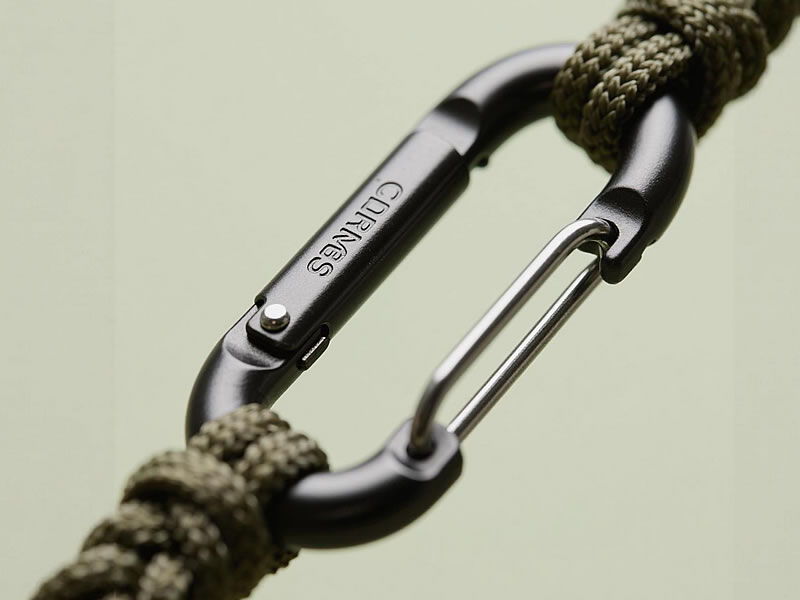
The primary advantage is immediate, tactical accessibility. In a genuine emergency, fumbling with a bracelet clasp on your wrist costs precious time. A paracord bracelet securely attached via a carabiner to your belt loop, backpack strap, or gear sling can be grabbed, unclipped, and deployed in seconds. The carabiner acts as a swift-release mechanism, turning your stored paracord into an instantly available resource for constructing a shelter, securing a load, creating a tourniquet, or countless other urgent tasks. This shift from passive wear to active, ready-to-deploy status is revolutionary.
Furthermore, the carabiner introduces unparalleled modularity and organization to your kit. Your paracord bracelet is no longer an isolated item but becomes a central hub. You can use the carabiner to cluster other small, essential EDC items around it—a compact fire starter, a mini flashlight, or a whistle can all be linked together, creating a consolidated survival module. This prevents loss and ensures that a suite of complementary tools is always together. When you grab your keys with the carabiner attached, you're also grabbing your paracord and other essentials, building redundancy into your daily routine.
Not all carabiners are created equal for this specific duty. The ideal carabiner for a paracord bracelet must meet strict criteria to be truly effective. First, it must be compact and lightweight. A large, bulky climbing carabiner defeats the purpose of a discreet EDC item. A small, sleek, yet robust design, often referred to as a "mini" or "keylock" carabiner, is perfect. Second, it requires a secure yet easy-to-operate gate mechanism. A simple snap gate is sufficient for most, but a locking gate provides absolute peace of mind against accidental detachment. Finally, durability and a snag-free profile are non-negotiable. It should be made of hardened aluminum or steel to bear weight if needed, and feature smooth edges to avoid tearing clothing or gear.
Beyond mere deployment, the carabiner itself, when paired with the bracelet's loop, becomes an extension of the paracord's functionality. Once the cordage is unraveled, the carabiner can serve as a durable connector, hook, or tensioning device within whatever structure you build. This symbiotic relationship means you're carrying two integrated tools, not just one.
Ultimately, choosing a dedicated carabiner for your paracord bracelet is a decision that speaks to a deeper understanding of practical preparedness. It moves beyond collecting gear to intelligently integrating it. This combination solves the critical flaw of many preparedness items: being out of reach or inconvenient when needed most. It embodies the core EDC principle of having essential tools seamlessly woven into the fabric of your daily life, ready to pivot from ordinary to extraordinary circumstances in an instant. In your quest for readiness, don't just wear your paracord—deploy it strategically with the simple, powerful upgrade of a purpose-suited carabiner.




