




Carbon Fiber vs. Aluminum Hiking Poles: The Ultimate Material Showdown
Choosing the right hiking poles is a critical decision for any trekker, and the core material—carbon fiber or aluminum—is often the most debated factor. It’s a classic showdown between cutting-edge technology and proven reliability. Understanding the fundamental strengths and trade-offs of each will guide you to the perfect pole for your adventures.
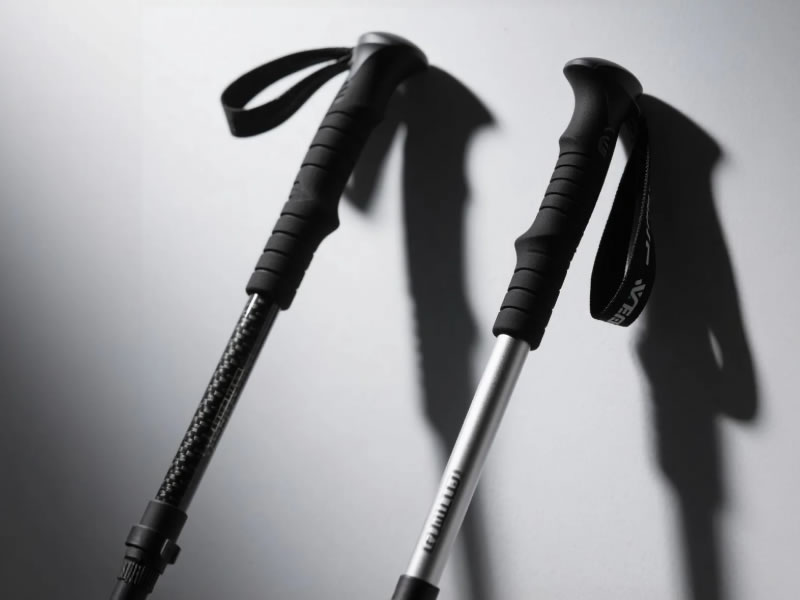
Recommended trekking pole purchase link: https://s.click.aliexpress.com/e/_c4M7OWaN
The Champion of Lightweight Performance: Carbon Fiber
Carbon fiber poles are engineered for efficiency. They are constructed from woven carbon strands bonded with resin, creating a composite material that is exceptionally strong for its weight.
Key Advantages:
- Superior Weight Savings: This is the primary draw. Carbon fiber poles are significantly lighter than their aluminum counterparts, sometimes by 25-30%. This reduces arm fatigue over long distances, making them a favorite among thru-hikers, fastpackers, and anyone focused on gram-shaving.
- Vibration Dampening: The composite structure absorbs high-frequency trail chatter (from rocks and hard-packed earth) rather than transmitting it up your arms. This results in a noticeably smoother, less tiring experience, especially on descents.
- Stiffness & Power Transfer: High-quality carbon fiber offers excellent torsional rigidity. This means more of your pushing force is transferred directly into forward propulsion, creating a efficient pole-planting motion.
The Considerations:
- Cost: Advanced manufacturing makes carbon fiber poles more expensive.
- Failure Mode: The biggest concern is its brittle nature. While incredibly strong under direct, longitudinal pressure, a sharp lateral impact (e.g., getting jammed in a rock crack) can cause it to snap or crack. In contrast, aluminum might bend.
- Cold Weather Sensitivity: In extreme cold, some users report that carbon fiber can feel more brittle, though modern composites are highly resilient.
The Paragon of Durable Value: Aluminum
Typically made from 6061 or 7075 alloys, aluminum poles are the workhorses of the trail. Their durability is legendary.
Key Advantages:
- Unmatched Durability & Resilience: Aluminum is impact-resistant and malleable. If subjected to extreme force, it will typically bend before breaking. This bend can often be field-straightened enough to get you home. For off-trail adventures, bushwhacking, or mountaineering where poles take serious abuse, aluminum is the trusted choice.
- Cost-Effective: You get tremendous durability and performance for a lower price point, making aluminum the best value for most hikers.
- Predictable Performance: Aluminum performs consistently across all temperatures and is less susceptible to hidden damage from a single impact.
The Considerations:
- Weight: They are heavier, which can contribute to fatigue on very long days.
- Vibration: Aluminum transmits more ground vibration to your hands and arms. While not a deal-breaker, it can be noticeable on rocky terrain.
- Corrosion: Lower-quality alloys can corrode or develop sticky spots in the adjustment mechanisms if not cared for.
Head-to-Head Comparison & Which to Choose
| Feature | Carbon Fiber | Aluminum |
|---|---|---|
| Weight | Winner: Significantly lighter | Heavier |
| Durability | Strong but brittle; can snap | Winner: Tough & bendable; more forgiving |
| Ride Quality | Winner: Excellent vibration dampening | More vibration transmission |
| Cost | More expensive | Winner: More affordable |
| Ideal For | Weight-conscious hikers, long trails, maintained paths, efficiency seekers. | Rugged terrain, backpacking with heavy loads, bushwhacking, budget-focused buyers, general use. |
The Verdict: It’s About Your Terrain and Style
The choice isn't about which material is objectively "better," but which is better for you.
Choose Carbon Fiber if: Your priority is minimizing weight for marathon days on the trail. You hike primarily on established trails, value a smooth feel, and are willing to invest in premium performance while handling your gear with reasonable care.
Choose Aluminum if: You need a virtually indestructible tool for rugged, off-trail adventures, backpacking with a heavy load, or winter mountaineering. You want the best durability for your dollar and a pole that can withstand unintended abuse.
Pro Tip: Don't overlook other critical features! The grip material (cork, foam, rubber) and locking mechanism (FlickLock vs. TwistLock) are equally important to your comfort and safety, regardless of shaft material.
Ultimately, both materials are excellent. By matching the pole's core characteristics to your personal hiking profile, you ensure every step is better supported.




