




Do I Need One or Two Hiking Poles?
A common sight on trails is the hiker confidently using two poles in rhythm, while another might carry just a single pole, or perhaps none at all. This leads many to wonder: is one pole sufficient, or is a pair truly necessary? The answer hinges on your goals, terrain, and the specific benefits you seek. While one pole is better than none, the consensus among experts and seasoned hikers is clear: for maximum benefit, two poles are overwhelmingly superior.
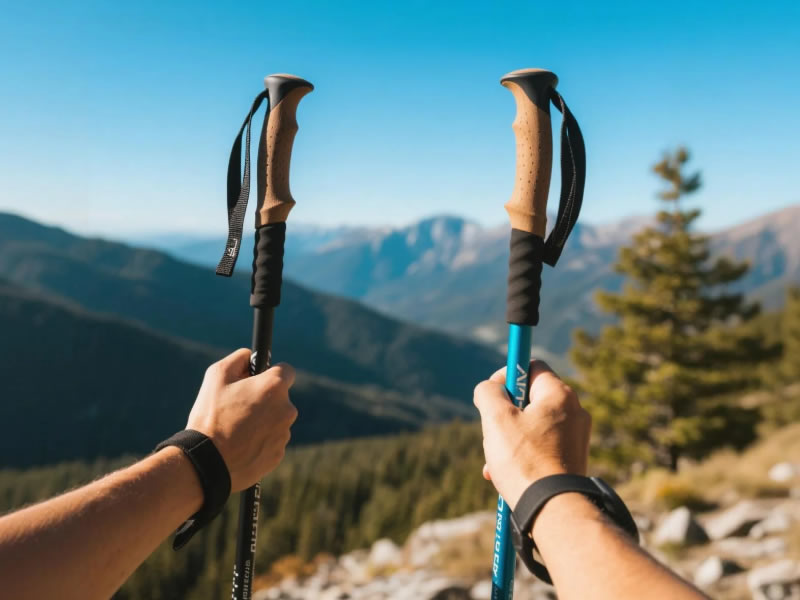
Recommended trekking pole purchase link: https://s.click.aliexpress.com/e/_c4M7OWaN
The Biomechanical Advantage of Two Poles: Why Symmetry Matters
Using two poles creates a balanced, four-point contact system with the ground. This symmetry is crucial for several physiological and performance reasons:
- Optimal Load Distribution & Joint Protection: The landmark benefit of trekking poles is their ability to reduce impact on the knees, hips, and ankles. This effect is maximized with two poles. When you descend with a pair, you can consistently transfer 15-25% of your body weight (plus pack weight) through your arms with each step. One pole cannot provide this consistent, bilateral offloading, leading to an uneven distribution of stress that may still overload one side of your body.
- Superior Stability and Balance: Two poles offer continuous, alternating points of contact. On unstable terrain—loose scree, slippery roots, river crossings—this means you always have a secure anchor point about to plant. One pole provides intermittent support only on one side, which can subtly disrupt your gait and balance, especially under a heavy backpack.
- Efficient Full-Body Engagement & Endurance: The classic opposite-arm-to-leg rhythm (right pole with left foot) engages your core, back, shoulders, and arms in a coordinated, efficient motion. This turns hiking into a true full-body exercise, distributing the workload more evenly and conserving leg muscle glycogen. With one pole, you only engage one side of your upper body, missing out on this efficiency boost and potentially developing muscle imbalances over a long hike.
- Improved Posture and Rhythm: Two poles promote an upright, powerful posture, opening your chest for better breathing. The natural rhythm they establish helps maintain a steady, sustainable pace, reducing overall fatigue.
When Might a Single Pole Be Acceptable?
There are specific, limited scenarios where a single pole is a pragmatic choice:
- Light Trail Walking with a Free Hand: If you're on a gentle, well-maintained trail and value having one hand constantly free for photography, snacking, or using a map.
- Stream Crossings or Technical Scrambles: Some hikers prefer to stow one pole to have a fully free hand for balance or gripping rocks.
- Fastpacking on Mellow Terrain: Where speed is the priority and the terrain doesn't demand constant stability.
Even in these cases, it's important to alternate the single pole from side to side periodically to avoid creating one-sided strain.
The Verdict: A Clear Recommendation
For anyone serious about hiking—whether tackling day hikes with elevation, carrying a backpack, managing joint concerns, or pursuing long-distance trails—investing in and learning to use two poles is the unequivocal recommendation.
Think of it this way: you wouldn't use only one running shoe or one ski. Poles function as part of a coordinated system. Using just one forfeits the core advantages of bilateral support, balanced joint protection, and efficient power transfer.
Final Advice: If you're new to poles, start with an affordable, adjustable pair. Learn the proper technique with both. You may find that the single-pole hiker you once were has evolved into a more stable, efficient, and resilient hiker with the full, supported rhythm that only two poles can provide. Your body, especially your knees, will thank you for miles to come.




