




Hiking Poles for Snow Hiking: Your Essential Guide to Winter Stability
Venturing onto snow-covered trails transforms the hiking experience, presenting unique challenges that demand specialized gear. Your standard trekking poles, while helpful, may fall short in winter conditions. Selecting and using the right hiking poles for snow hiking is not just an upgrade—it's a critical safety and performance consideration. This guide details the key features, techniques, and top choices to keep you stable and confident on your next winter adventure.
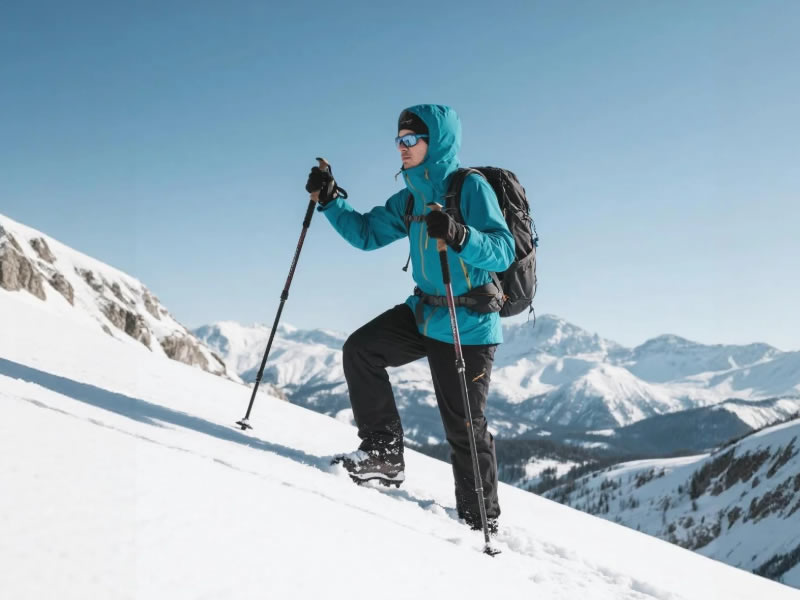
Recommended trekking pole purchase link: https://s.click.aliexpress.com/e/_c4M7OWaN
Why Snow Hiking Demands Specialized Poles
Winter terrain introduces three core challenges that generic poles may not address:
- Punch-Through: Without proper flotation, pole tips sink deep into soft snow, becoming unstable anchors.
- Cold-Weather Failure: Mechanisms can freeze, materials become brittle, and grips turn icy.
- Variable Conditions: You may encounter crusty snow, deep powder, ice, and rock within a single hike, requiring adaptable tools.
Critical Features for Winter-Ready Poles
1. Interchangeable, Large Powder Baskets:
This is the most crucial feature. Standard trekking baskets are too small and will plunge deep into soft snow. You need large, removable powder baskets (typically 90-110mm in diameter). These sit near the tip and act like snowshoes for your poles, providing a platform that distributes weight and prevents punch-through. Ensure they are easy to swap on the trail.
2. Bombproof Locking Mechanisms:
Your poles must adjust reliably in freezing temperatures. External lever locks (FlickLock, SpeedLock, DynaLock) are strongly preferred over twist locks. Twist mechanisms can ice up, freeze shut, or slip when wet and cold. Lever locks provide a secure, visual, and glove-friendly operation.
3. Durable Shaft Material:
- Aluminum (7075-T6): The top recommendation for most winter use. It's durable, reliable in cold (becoming slightly less brittle than carbon), and handles lateral stress from punching through crusty snow. The weight penalty is worth the robustness.
- Carbon Fiber: Can be used cautiously by experienced hikers. While lighter, it is more vulnerable to catastrophic failure from a sharp lateral impact (e.g., hitting a hidden rock under snow). If you choose carbon, ensure it's a high-quality, reinforced model.
4. Cold-Weather Grips:
Cork handles perform well, but extended foam or rubberized grips are excellent for winter. They provide insulation when you need to choke down on the shaft in deep snow, and they stay warmer to the touch than bare metal or plastic. Look for models with extended lower grips.
Winter Hiking Pole Techniques
- Adjust for Depth: Lengthen your poles significantly for deep snow to account for sinkage. You may need to adjust frequently as conditions change.
- Plant with Authority: Use a firm, probing plant to test snow stability before committing your weight.
- Choke Down for Steep Sections: On steep ascents or when post-holing, gripping the shaft below the handle gives better leverage and control.
- Use for Self-Arrest Practice: While not a replacement for an ice axe on steep slopes, poles can aid in balance and provide a preliminary braking point on moderate, low-angle slippery terrain.
Top Pole Recommendations for Snow Hiking
- Black Diamond Expedition 3: Built as a winter workhorse, it features a simple, robust three-section 7075 aluminum design, reliable FlickLock Pro levers, and comes standard with large powder baskets. It's a no-frills, highly dependable tool.
- MSR DynaLock Ascent: Similar in its rugged aluminum construction, MSR's renowned DynaLock system excels in gritty, icy conditions. It's a favorite for mountaineering approaches and mixed winter terrain.
- Leki Thermolite Series: Some Leki models feature extended Thermolite foam grips that provide excellent insulation for cold hands, paired with their secure SpeedLock system. Ideal for very cold climates.
- Komperdell C3 Powerlock Carbon/Alpine: Offers a great blend of materials, with a carbon shaft for weight savings and aluminum in critical stress areas. Their Powerlock system is very secure and comes with large snow baskets.
Final Verdict: Preparation is Key
For snow hiking, prioritize durable aluminum poles (like the Black Diamond Expedition 3) with large, interchangeable powder baskets and external lever locks. This combination offers the reliability and functionality essential for safe winter travel.
Before heading out, practice swapping the baskets at home. Apply a silicone lubricant to locking mechanisms to help repel moisture and prevent freezing. Remember, in winter, your poles are part of your essential safety kit—providing stability, probing depth, and aiding in balance. Investing in the right pair ensures you can embrace the serenity and beauty of a winter landscape with greater confidence and control.




