




Are Hiking Poles Allowed in National Parks? A Guide to Responsible Use
Hiking poles are not only widely allowed in national parks across the United States and worldwide, but they are often encouraged as a tool for safety and trail preservation. However, responsible use is governed by a common-sense principle: minimize your impact on the park's fragile environment. This guide breaks down the policies, best practices, and important exceptions every hiker should know before hitting the trail.
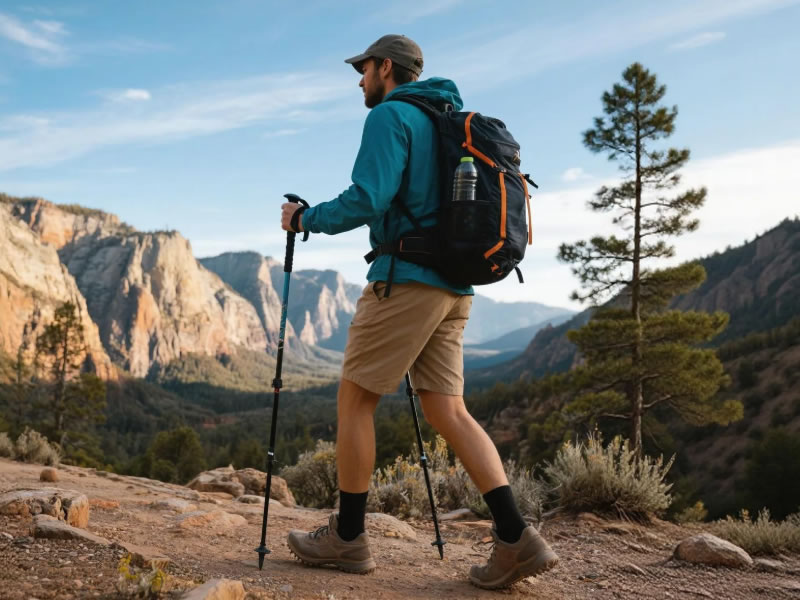
Recommended trekking pole purchase link: https://s.click.aliexpress.com/e/_c4M7OWaN
The General Rule: Yes, With One Key Condition
You can confidently bring your hiking poles to virtually any national park. Park authorities recognize their benefits:
- Hiker Safety: Improved stability on rocky, steep, or uneven terrain.
- Reduced Joint Impact: Mitigating strain on knees during descents.
- Trail Health: When used correctly, poles can help disperse a hiker's weight, potentially reducing erosion on steep switchbacks by providing additional points of contact.
**The universal and critical condition is the use of **rubber tip protectors****. Most parks explicitly require or strongly recommend them. The hard, sharp carbide or steel tips that provide essential traction on backcountry trails can scar rocks, dig into soft soil, and cause significant damage to paved trails, wooden boardwalks, and historic structures.
When and Where Rubber Tips Are Mandatory
Always carry a pair of rubber tip protectors in your pack. You must use them in these specific scenarios:
- On Paved Surfaces & Boardwalks: To prevent permanent scratches and gouges.
- In High-Traffic Scenic Areas & Overlooks: Places like the iconic viewpoints at the Grand Canyon or Yellowstone require them.
- Near Archaeological or Historic Sites: To protect sensitive cultural resources from accidental damage.
- On Certain Delicate Trail Surfaces: Some parks may post signs requiring rubber tips on specific trails prone to erosion.
Important Exceptions and Special Cases
While generally permitted, always check the specific park's official website for unique regulations:
- Via Ferrata & Cable Routes: Parks with via ferrata climbs (like parts of Zion National Park) typically prohibit personal hiking poles, as they provide specialized equipment.
- Caves and Slot Canyons: In narrow passages (e.g., The Narrows in Zion or certain caves), poles can be cumbersome and may be restricted to protect the geological formations.
- Wildlife Considerations: In areas with high bear activity, rangers may advise on how to use poles to avoid appearing larger or provoking curiosity.
Best Practices for Ethical Pole Use in Parks
Being a steward of the parks goes beyond just rubber tips:
- Stay on Designated Trails: Never use poles to venture off-trail, which damages fragile ecosystems.
- Avoid Plant Life: Be mindful not to strike or lean on sensitive vegetation, including wildflowers and saplings.
- Yield Appropriately: On narrow trails, collapse your poles to make room for others passing by.
- Check In: When in doubt, stop at a park visitor center or ranger station. They provide the most current trail conditions and regulations.
How to Verify Park-Specific Rules
A quick, two-step verification ensures compliance:
- Visit the Park's Official NPS Website: Navigate to the "Plan Your Visit" or "Basic Information" section.
- Search for Keywords: Look for "hiking tips," "trail conditions," or "safety." You can often find specific guidance there.
Conclusion: A Tool for Preservation and Safety
Hiking poles are a welcome asset in national parks when used thoughtfully. By equipping them with rubber tips, respecting posted guidelines, and practicing Leave No Trace principles, you contribute to the preservation of these magnificent landscapes for future generations. Your poles will enhance your personal safety and stamina, allowing you to explore further while minimizing your footprint. Prepare responsibly, and enjoy the confidence that comes with knowing you're hiking in a way that protects the very wilderness you came to experience.




