




Can You Replace Walking Pole Tips? The Complete Guide to Extending the Life of Your Poles
The carbide tips on walking poles are engineered for durability, but they are not immortal. After hundreds of miles of scraping against rock, ice, and packed dirt, even the hardest tungsten carbide will eventually wear smooth, reducing traction and compromising safety. The good news: on most quality poles, the tips are replaceable. This guide explains everything you need to know about replacing walking pole tips—when to do it, how to do it, where to find replacements, and how to extend the life of your tips.
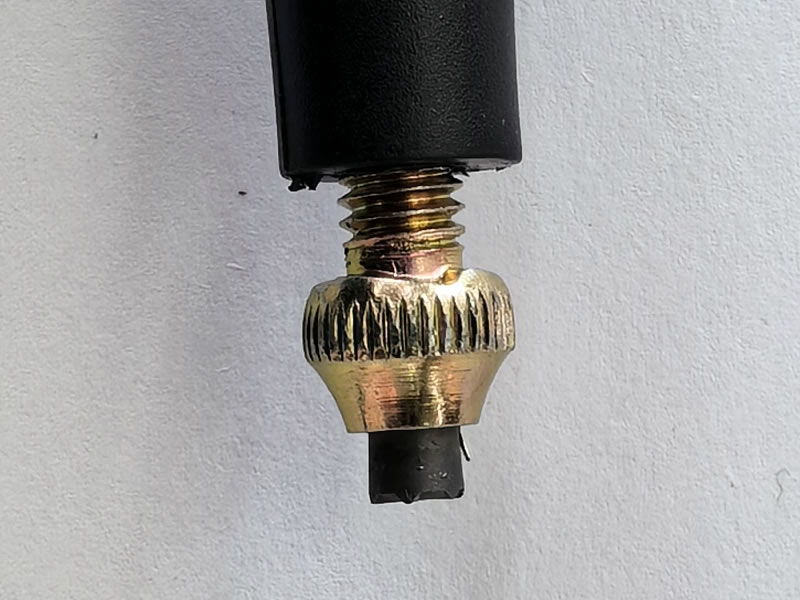
Recommended trekking pole purchase link: https://s.click.aliexpress.com/e/_c4M7OWaN
The Short Answer: Yes, Most Quality Poles Have Replaceable Tips
Carbide tips are typically screwed into the end of the pole. When they wear out, you can unscrew the old tip and screw in a new one. This simple maintenance task can add years to the life of your poles and restore their performance to like‑new condition.
However:
- Not all poles have replaceable tips. Some budget poles use molded tips that cannot be replaced—the entire pole must be discarded when tips wear out.
- Some brands use proprietary threading. While most use standard 16mm threads, always verify compatibility before purchasing replacements.
Why Replace Tips?
| Sign of Wear | Consequence | When to Replace |
|---|---|---|
| Tip becomes rounded or flat | Reduced traction on rock and ice; increased risk of slipping. | Immediately—safety issue. |
| Tip develops a burr or rough edge | Can scratch surfaces; may snag on clothing or pack. | When noticeable. |
| Tip is visibly shorter than original | Less carbide remaining; performance degraded. | At 50% wear. |
| Tip breaks or cracks | Complete loss of function. | Immediately. |
Typical lifespan: 300–800 miles, depending on terrain. Rocky, abrasive surfaces wear tips faster; soft trails preserve them.
How to Check if Your Tips Are Replaceable
- Look at the tip: Is there a visible seam between the carbide tip and the metal ferrule? If yes, it is likely a screw‑in tip.
- Try to unscrew it gently: Use your fingers first. If it turns, it is replaceable.
- Check manufacturer documentation: Specifications will often state "replaceable carbide tips."
- Inspect for a hex socket: Some tips have a hex hole for a wrench.
If the tip appears molded into the ferrule with no seam, it is likely non‑replaceable. These are common on very budget poles.
Step‑by‑Step Replacement Guide
Tools You May Need
- Replacement tips (compatible with your poles)
- Pliers or a vise grip (optional)
- Cloth or rubber pad to protect the shaft
- Thread locker (optional, for securing new tips)
Step 1: Remove the Old Tip
- If the tip has a hex socket, insert the appropriate hex key and turn counter‑clockwise.
- If not, grip the tip firmly with pliers. Protect the tip with a cloth or rubber pad to avoid damaging it (though you are discarding it anyway).
- Turn counter‑clockwise. It may be tight—apply steady, controlled force.
- If stuck, apply penetrating oil (WD‑40) and let it soak for 10–15 minutes.
Note: Some tips are reverse‑threaded. Usually, lefty‑loosy applies, but if it won't budge, verify with manufacturer documentation.
Step 2: Clean the Threads
- Remove any debris or old thread locker from the ferrule threads.
- Wipe clean with a cloth.
Step 3: Install the New Tip
- Apply a tiny drop of medium‑strength thread locker (Loctite Blue) to the threads if desired—this prevents the tip from loosening over time but still allows future removal.
- Screw the new tip in by hand until snug.
- Use pliers (with cloth protection) for final ¼ turn. Do not overtighten—you can crack the ferrule.
Step 4: Test
- Ensure the tip is seated firmly.
- Plant the pole and apply weight—it should feel solid.
Where to Buy Replacement Tips
| Source | Pros | Cons |
|---|---|---|
| Manufacturer (Black Diamond, LEKI, Komperdell, etc.) | Guaranteed compatibility; highest quality. | May be more expensive; limited to brand. |
| Outdoor retailers (REI, MEC, local shops) | Can see product; expert advice. | Selection may be limited. |
| Online (Amazon, eBay, specialist sites) | Wide selection; competitive prices. | Risk of incompatible or low‑quality tips. |
| Generic / universal tips | Inexpensive; widely available. | May not fit perfectly; quality varies. |
Pro tip: If you have a common brand, buy manufacturer tips. If you have generic poles, universal tips with standard 16mm threads usually work.
Understanding Tip Threads and Compatibility
| Thread Type | Common Brands | Notes |
|---|---|---|
| Standard 16mm thread | Most generic poles, Cascade Mountain Tech, many budget brands | Most common; universal tips widely available. |
| LEKI / Komperdell proprietary | LEKI, Komperdell | Use manufacturer tips only. |
| Black Diamond proprietary | Black Diamond | Use Black Diamond tips only. |
| Other proprietary | Various | Always verify with manufacturer. |
How to determine thread type:
- Measure the diameter of the threaded post (if you have removed a tip).
- Consult manufacturer website or customer service.
- Bring old tip to retailer for comparison.
When NOT to Replace Tips
If the ferrule (the metal housing the tip screws into) is damaged:
- If the ferrule is cracked, bent, or stripped, replacing the tip will not solve the problem. The entire lower section may need replacement.
If the pole shaft itself is damaged:
- A bent or cracked shaft is a safety hazard. Replace the pole section or the entire pole.
If replacement tips cost more than a new pole:
- On very cheap poles, buying replacement tips may approach the cost of a new pair. Evaluate cost‑effectiveness.
Extending Tip Life
- Use rubber tip protectors on pavement. Carbide tips wear rapidly on asphalt and concrete.
- Avoid scraping tips against rocks when not planting. Be mindful of where you place your poles when resting.
- Rotate poles occasionally if you notice uneven wear (common if you always plant the same pole first).
- Clean tips after muddy hikes to prevent grit from abrading the carbide.
What About "Tip Protectors" vs Replacement Tips?
| Item | Purpose | When to Use |
|---|---|---|
| Rubber tip protectors | Protect carbide tips from pavement wear; protect floors; reduce noise. | On hard, smooth surfaces. |
| Replacement carbide tips | Replace worn‑out tips to restore traction. | When tips are worn smooth or damaged. |
They serve different functions. You need both.
Special Cases
Nordic Walking Poles
Many Nordic poles have permanent rubber feet with a removable carbide spike inside. When the carbide wears, you replace the entire foot assembly or just the spike, depending on design.
Folding Poles
Folding poles typically have replaceable tips just like telescoping poles. The same principles apply.
Poles with Integrated Tips
Some very cheap poles have tips molded into the ferrule. These cannot be replaced. When the tip wears out, the pole is finished.
Summary: Quick Reference Card
| Question | Answer |
|---|---|
| Can most quality poles have tips replaced? | Yes. |
| How often should tips be replaced? | Every 300–800 miles, or when worn smooth. |
| What tools are needed? | Pliers, cloth (optional), thread locker (optional). |
| Are tips universal? | No. Check compatibility (16mm standard vs proprietary). |
| Where to buy replacements? | Manufacturer, retailers, online. |
| Can you extend tip life? | Yes—use rubber protectors on pavement. |
Conclusion: A Simple Maintenance Task That Saves Money
Replacing walking pole tips is one of the simplest and most cost‑effective maintenance tasks you can perform. A $10–$20 set of new tips can restore $100+ poles to like‑new performance, extending their life by years. It requires minimal tools, takes five minutes, and ensures you always have secure traction on the trail.
Don't wait until your tips are completely smooth. Check them periodically. When you notice wear, order replacements. Your poles—and your safety—will thank you.
And always carry a spare set on long trips. A worn tip in the backcountry can compromise your stability. A spare in your pack is peace of mind.




