




How to Stop Walking Poles from Scratching Floors: Complete Protection Guide
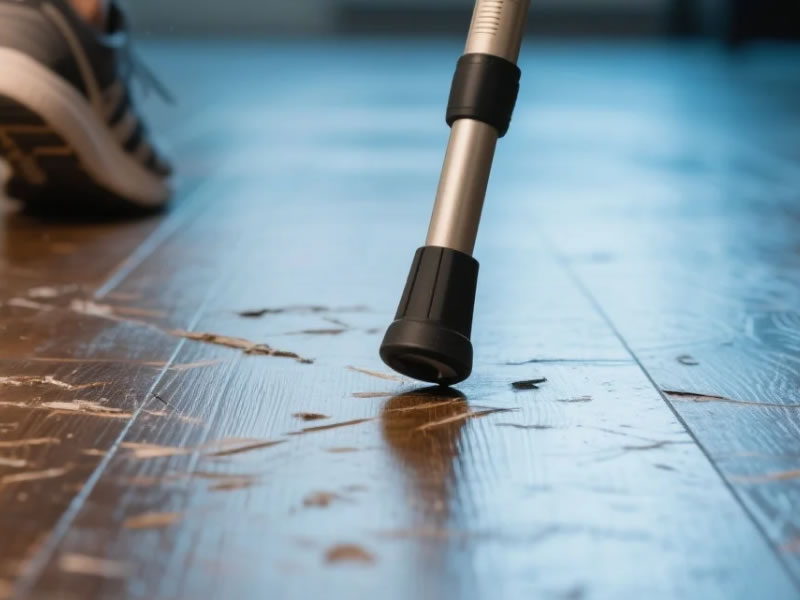
Nothing mars beautiful hardwood, tile, or laminate floors quite like the distinctive scratch marks left by walking pole tips. Whether you use poles for daily fitness walking, physical therapy, or simply need them for mobility, learning how to stop walking poles from scratching floors is essential for maintaining your home's appearance and avoiding costly repairs. This comprehensive guide covers every method, product, and technique to keep your floors pristine.
Recommended trekking pole purchase link: https://s.click.aliexpress.com/e/_c4M7OWaN
Why Walking Poles Scratch Floors
Understanding the problem helps solve it. Walking pole tips are designed for traction on trails—they feature aggressive carbide or steel points that bite into dirt, rock, and ice. On indoor smooth surfaces, these same tips act like miniature chisels, gouging wood, scoring tile, and scuffing vinyl. Even rubber tips can scratch if they've picked up grit from outdoors.
The Simple Solution: Rubber Tip Covers
The most effective answer to "how to stop walking poles from scratching floors" is the simplest: rubber tip covers. These inexpensive accessories slip over your existing pole tips and provide a soft, non-marking surface that glides across floors without damage.
Types of Rubber Tip Covers
Standard Walking Pole Tips: Basic rubber feet that fit most poles. They're cone-shaped and slip over carbide tips. Available at any outdoor store for $5-10 per pair. These work well for most hard floors but can wear quickly on concrete.
Cane-Style Tips: Larger rubber feet with flat bottoms, similar to those on medical canes. These provide maximum floor protection and excellent stability. The flat surface distributes weight evenly, reducing pressure points. Ideal for those who use poles primarily indoors.
Articulated Rubber Feet: Advanced designs that swivel, maintaining flat contact with the floor regardless of pole angle. These offer the best protection and traction but cost more ($15-25 per pair).
Heavy-Duty Rubber Tips: Thicker rubber compound for extended wear. Some feature metal inserts to prevent tearing. Worth considering if you use poles daily on pavement between home and trail.
How to Install and Use Rubber Tips
Installation takes seconds:
- Remove any existing baskets (mud guards) from your poles
- Ensure the tip is clean and dry
- Push the rubber tip firmly onto the carbide point
- Twist slightly to seat it completely
- Test by pressing into the floor—it shouldn't slip off
Pro tip: Keep a pair of rubber tips by every door you regularly enter. This makes it easy to pop them on before coming inside, even if you forgot to bring your "indoor" set.
The Grit Problem: Why Cleaning Matters
Even with rubber tips, floors can scratch. Here's why: tiny particles of sand, gravel, and dirt embed in the rubber and act like sandpaper. Learning how to stop walking poles from scratching floors includes addressing this hidden danger.
Before Entering
- Wipe poles down with a damp cloth or towel kept near entrances
- Tap poles gently outside to dislodge loose debris
- Inspect rubber tips visually—if they look gritty, wipe them clean
- Consider a doormat routine: Step onto mat, wipe poles, then enter
Regular Tip Maintenance
- Wash rubber tips periodically with soap and water
- Replace tips when the tread wears smooth
- Inspect for embedded pebbles and pick them out
- Rotate tips occasionally for even wear
Baskets: Hidden Scratch Hazards
Those plastic baskets (mud stops) near your pole tips serve important functions outdoors but become scratch machines indoors. They trap dirt, snag on floor edges, and can scuff baseboards.
The rule: Always remove baskets before bringing poles inside. Most baskets twist off or snap off in seconds. Store them with your outdoor gear or in a small bowl by the door.
Floor-Specific Protection Strategies
Different floors require different approaches to prevent scratching:
Hardwood Floors
Hardwood is most vulnerable to walking pole damage. The soft wood fibers crush under point pressure, leaving permanent dents even without visible scratches.
Best protection: Large, flat cane-style rubber tips. These distribute weight over a wider area, reducing point pressure. Add felt pads underneath rubber tips for extra protection on delicate finishes.
Tile and Stone
Ceramic, porcelain, and natural stone resist point damage better than wood, but they're not immune. The real danger is grit—tiny sand particles caught under tips grind grooves into glazed surfaces.
Best protection: Standard rubber tips cleaned before each use. Consider keeping a small spray bottle of water and rag by the door to wipe tips immediately.
Laminate and Vinyl
These synthetic floors scratch easily and show marks prominently. The hard surfaces also wear rubber tips quickly.
Best protection: Replace rubber tips frequently—worn tips lose their cushioning and may have exposed hard spots. Articulated tips work well here, maintaining constant contact.
Carpet
While carpet seems safe, pole tips can snag and pull loops, especially on Berber or low-pile carpets. Rubber tips prevent snagging but may leave compression marks in plush carpet.
Best protection: Standard rubber tips, and avoid leaving poles standing in one spot for extended periods.
Permanent Floor Protection Products
Beyond tip covers, several products help stop scratching:
Floor Protector Caps
These slip over the entire pole end, covering both tip and ferrule. They provide cushioning and prevent the metal pole shaft from contacting baseboards or furniture.
Adhesive Felt Pads
Stick-on felt circles (like furniture pads) adhere to the bottom of rubber tips for extra glide and protection. Replace when worn.
Pole Stands and Holders
Wall-mounted racks or freestanding stands keep poles upright and organized, preventing them from falling over and scratching floors accidentally.
Entryway Mats
Place absorbent mats inside and outside entrances. The outdoor mat removes large debris; the indoor mat catches remaining particles and gives you a clean zone to stand while donning tip covers.
Daily Habits for Floor Protection
Incorporating these habits makes floor protection automatic:
- Designate indoor poles: If you use poles daily, consider keeping one pair exclusively for indoor use with permanent rubber tips installed.
- Create a transition station: Set up a small area by your door with rubber tips, a cleaning cloth, and a basket for outdoor accessories.
- Develop the routine: Enter, remove baskets, wipe poles, install rubber tips. In seconds, you're floor-safe.
- Inspect regularly: Quick weekly checks catch worn tips before they damage floors.
- Communicate with family: Ensure everyone who uses poles follows the same routine.
When Rubber Tips Wear Out
Rubber tips are consumables—they wear with use. Signs it's time to replace:
- Visible tread wear or smooth spots
- Tips no longer grip floors (slip instead of grip)
- Cracks or tears in the rubber
- Metal tip beginning to show through
- Difficulty staying on the pole
Replacement frequency: Daily users may need new tips every 2-3 months. Occasional users might get a year or more from a pair.
DIY Solutions and Emergency Measures
Sometimes you need immediate floor protection without store-bought tips:
Tennis balls: Cut a small slit in a tennis ball and push it onto the pole tip. Surprisingly effective, though bulky and not long-lasting.
Duct tape: Wrap several layers around the tip to create a temporary cushion. Not elegant but works in a pinch.
Wine corks: Drill a hole in a cork and press onto the tip. Provides decent protection and looks intentional.
Furniture pads: Stick-on felt pads applied directly to the tip (if it's flat enough) offer temporary protection.
Special Considerations for Different Users
Nordic Walkers
If you use poles for fitness walking that includes both pavement and trails, consider quick-release tip systems. Some brands offer tips that flip between carbide and rubber with a lever, eliminating the need to swap covers.
Medical/Rehabilitation Users
Those using poles for mobility assistance need maximum stability indoors. Large cane-style tips with wide bases provide both floor protection and slip resistance. Look for tips with textured bottoms for wet floor traction.
Travelers
When traveling with poles, pack rubber tips in an accessible pocket. You'll need them for hotel rooms, airports, and any indoor spaces. Some travelers carry ultra-lightweight tips that pack flat.
Long-Term Floor Maintenance
Even with perfect habits, floors need care:
- Sweep or vacuum regularly to remove abrasive particles
- Damp mop hard floors to pick up fine dust
- Inspect floors periodically for developing scratches
- Address scratches early before they worsen
Product Recommendations
Based on extensive testing and user feedback:
Best overall: Pacerpole Articulating Tips—expensive but excellent floor protection and durability.
Best value: Komperdell Universal Rubber Tips—widely available, fit most poles, last reasonably well.
Best for hardwood: Cane-Style Rubber Tips with Felt Backing—maximize surface area and glide.
Best for daily use: Black Diamond Replacement Rubber Tips—durable compound, secure fit.
Most innovative: Leki Rubber Tip with Integrated Spring—absorbs shock while protecting floors.
Teaching Others
If you lend poles to guests or have family members who use them, post a simple reminder:
- Remove baskets
- Wipe tips clean
- Put on rubber covers
- Enter carefully
A small sign by the door prevents awkward conversations after scratches appear.
The Cost-Benefit Analysis
Consider the economics:
- Rubber tip covers: $5-15 per pair
- Felt pad replacements: $3-5 per pack
- Floor refinishing: $3-8 per square foot
- Tile replacement: $10-25 per square foot
Spending a few dollars on protection saves thousands in floor repairs. The math is simple.
Conclusion
Learning how to stop walking poles from scratching floors requires minimal effort but delivers significant rewards. The combination of quality rubber tip covers, consistent cleaning habits, and occasional maintenance keeps your floors pristine while allowing you to enjoy the benefits of walking poles both indoors and out.
Remember these key points:
- Always use rubber tips indoors
- Remove baskets before entering
- Clean tips regularly to remove grit
- Replace worn tips promptly
- Create consistent entry routines
Your floors represent a significant investment in your home. Protecting them from walking pole damage takes seconds each day and pennies compared to repair costs. Implement these strategies today, and walk worry-free knowing your poles enhance your mobility without compromising your floors.




