




Walking Poles: Ergonomic vs Straight Grips – Which Is Better? Complete Comparison Guide
When shopping for walking poles, one of the most crucial decisions you'll face is grip selection. The debate between ergonomic and straight grips has divided hikers for years. Understanding the differences between these two designs will help you make an informed choice that enhances your comfort, reduces fatigue, and improves your overall hiking experience. This comprehensive guide examines walking poles: ergonomic vs straight grips – which is better for your specific needs?
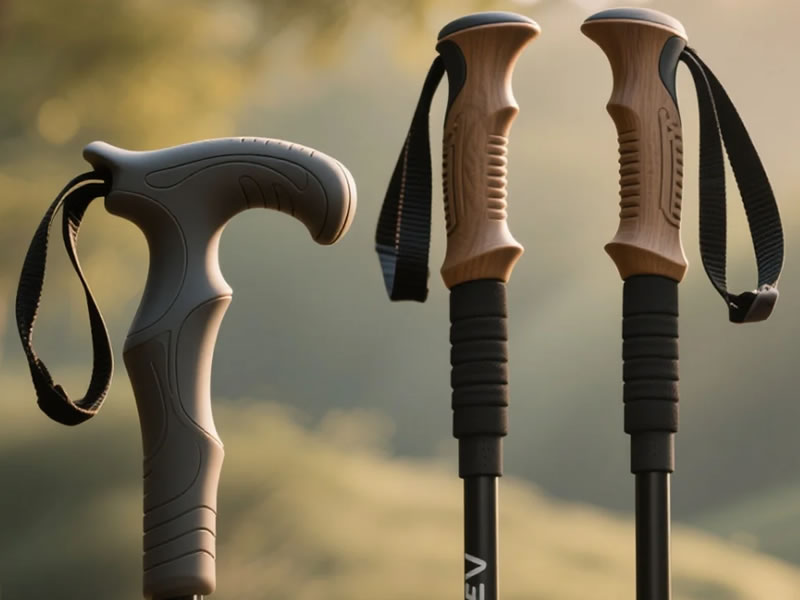
Recommended trekking pole purchase link: https://s.click.aliexpress.com/e/_c4M7OWaN
Understanding Grip Designs
Before diving into comparisons, let's clarify what each grip type offers:
Ergonomic Grips: Designed for Natural Comfort
Ergonomic grips feature a forward-angled top surface (typically 10-15°) that aligns with your hand's natural position when the pole contacts the ground. Key characteristics include:
- Contoured palm rest that supports your hand
- Angled platform matching wrist geometry
- Often hand-specific (left and right designs)
- Integration with specialized strap systems
- Materials like cork or foam that conform over time
The primary goal is maintaining neutral wrist alignment throughout your stride, reducing strain on tendons and muscles during extended use.
Straight Grips: Simple and Versatile
Straight grips are traditional cylindrical or slightly oval shapes without significant contouring. Features include:
- Uniform diameter along the grip length
- Minimal or no ergonomic shaping
- Simple, intuitive design
- Universal compatibility with various straps
- Often more affordable to manufacture
These grips allow multiple hand positions and feel familiar to anyone who's used ski poles or basic walking sticks.
Detailed Comparison: Which Features Matter Most?
Wrist Position and Fatigue
Ergonomic Grips: By maintaining a neutral wrist angle, these grips significantly reduce stress on the carpal tunnel and forearm muscles. This becomes increasingly valuable during long descents when you're putting substantial weight through your poles. Many users report less hand and wrist fatigue after full-day hikes.
Straight Grips: Without ergonomic contouring, your wrist can bend into less-than-optimal positions, especially on steep terrain. This requires more active muscle engagement to maintain control, potentially leading to earlier fatigue. However, proper strap adjustment can mitigate this issue significantly.
Winner: Ergonomic grips for wrist-friendly positioning
Versatility and Hand Positions
Ergonomic Grips: Designed for one specific hand position. While this optimizes comfort for that position, it limits your ability to choke up on the grip for steep climbs or hold differently for flat walking. Some hikers find this restrictive.
Straight Grips: Maximum versatility. You can grip anywhere along the length—higher for steep ascents, lower for descents, or mid-grip for normal walking. This adaptability suits varied terrain and allows you to change hand positions throughout the day.
Winner: Straight grips for versatility
Comfort Over Distance
Ergonomic Grips: The contoured shape distributes pressure across your palm's fleshy areas rather than concentrating it on bony prominences. This pressure distribution, combined with neutral wrist position, translates to superior long-distance comfort for most users.
Straight Grips: Comfort depends heavily on grip material and strap adjustment. Quality cork or foam straight grips can be quite comfortable, but they require more active gripping to maintain control, which can lead to hand fatigue over many miles.
Winner: Ergonomic grips for sustained comfort
Learning Curve
Ergonomic Grips: Require adaptation if you're accustomed to straight grips. The angled platform may feel awkward initially, and you must position your hand correctly to benefit from the ergonomic design. This learning curve typically lasts a few hikes.
Straight Grips: Zero learning curve. They feel intuitive immediately, making them ideal for beginners or occasional hikers who don't want to think about their grip technique.
Winner: Straight grips for ease of use
Hand Size Accommodation
Ergonomic Grips: Best suited for average-sized hands. Users with very small hands may find the contoured shape too large, while those with very large hands might feel cramped by the defined finger positions.
Straight Grips: More accommodating across hand sizes because you can grip anywhere along the length. This adjustability makes them a safer choice if multiple family members share poles or if you're unsure about sizing.
Winner: Straight grips for size versatility
Cost Considerations
Ergonomic Grips: The additional design, materials, and manufacturing complexity make ergonomic grips more expensive. Poles with quality ergonomic grips typically cost 20-50% more than comparable straight-grip models.
Straight Grips: Simpler construction means lower cost. This makes them ideal for budget-conscious hikers or those new to pole use who aren't ready to invest heavily.
Winner: Straight grips for affordability
Material Matters: How Grip Material Affects Performance
The grip material significantly impacts how each design performs:
Cork Grips
Best for: Both ergonomic and straight designs
Cork is the premium choice for good reason. It's lightweight, breathable, absorbs sweat, and molds to your hand over time. On ergonomic grips, cork enhances the custom fit by conforming to your unique hand contours. On straight grips, cork creates personalized pressure points that effectively create a custom ergonomic shape after hours of use.
EVA Foam Grips
Best for: Maximum cushioning on both designs
Foam provides excellent shock absorption and softness. On ergonomic shapes, it reduces pressure on bony areas. However, foam wears faster than other materials and can deteriorate in sunlight. Ideal for hikers seeking plush comfort over ultimate durability.
Rubber Grips
Best for: Durability in wet conditions
Rubber offers exceptional grip in rain and holds up well to abuse. It's heavier than other materials and less breathable. Rubber maintains its shape well, so the original contour persists. Works best on straight grips where its weight is less noticeable.
Strap Systems: The Critical Partnership
Grips don't work alone—straps are integral to performance:
Ergonomic Strap Integration
Manufacturers design straps specifically for their ergonomic grips. These typically:
- Position your hand correctly on the angled platform
- Distribute pressure across the back of your hand
- Allow strapless operation when desired
- Often feature quick-release systems
Examples include Leki's Trigger Shark system and Black Diamond's ergonomic strap designs.
Straight Grip Strap Compatibility
Straight grips work with simpler strap designs:
- Basic adjustable nylon straps
- Padded options for comfort
- Universal compatibility with aftermarket straps
- Easy to replace or upgrade
Terrain Considerations
Steep Mountain Terrain
Better choice: Ergonomic grips
The stable hand position and wrist support prove invaluable on long descents where you're repeatedly loading your poles. The angled platform prevents hand slippage and maintains control.
Rolling Hills and Flat Trails
Better choice: Either, depending on preference
Both grip types work well. Straight grips offer versatility for changing techniques, while ergonomic grips provide consistent comfort throughout.
Mixed Terrain
Better choice: Personal preference
Consider your dominant terrain type. If you spend 70% of time on steep trails, ergonomic makes sense. If terrain constantly changes, straight grips offer adaptability.
User-Specific Recommendations
Long-Distance Backpackers
Recommendation: Ergonomic grips with cork
After 20-mile days with heavy packs, the fatigue reduction becomes essential. Cork conforms to your hand, creating a custom fit that improves with use.
Day Hikers
Recommendation: Either, test both if possible
Day hikers can choose based on budget and feel. Many prefer ergonomic for comfort; others appreciate straight grips' simplicity.
Beginners
Recommendation: Start with quality straight grips
Learn your preferences without significant investment. Upgrade later if desired. Focus on proper strap adjustment first.
Hikers with Hand Issues
Recommendation: Ergonomic grips with foam
The supportive shape reduces grip strength requirements. Soft foam cushions tender joints. Look for generous palm support.
Nordic Walkers
Recommendation: Specialized ergonomic grips
Nordic walking requires powerful forward pushes. Dedicated Nordic grips with pistol-grip shapes optimize this technique.
How to Test Both Types
Before committing, try to test both designs:
- Hold each grip for 5+ minutes while simulating pole use. Initial comfort can fade.
- Make planting motions with varying angles and pressure. Notice how each feels during actual use.
- Try with your typical gloves if you hike in cold conditions.
- Check pressure points—any area of concentrated discomfort will worsen over distance.
- Consider strap adjustment—well-fitted straps improve any grip, but especially straight grips.
Common Myths Debunked
Myth: Ergonomic grips are always better.
Reality: They're better for many, but hand size, technique, and preference matter. Some hikers never adapt to ergonomic shapes.
Myth: Straight grips cause hand pain.
Reality: With proper strap technique, straight grips work comfortably for millions of hikers.
Myth: Expensive grips are always ergonomic.
Reality: Some premium poles feature straight grips with advanced materials but traditional shape.
Myth: You can't use straps with ergonomic grips.
Reality: Most ergonomic grips include excellent strap systems designed to work together.
The Hybrid Approach
Some manufacturers offer compromise designs:
- Slightly angled but still cylindrical
- Subtle contours without aggressive shaping
- Extended straight sections with ergonomic tops
- Interchangeable grip systems
These hybrids attempt to combine versatility with ergonomic benefit—worth considering if you're undecided.
Maintenance Tips for Both Types
Extend grip life regardless of your choice:
- Clean with mild soap and water after muddy hikes
- Avoid prolonged UV exposure (store poles properly)
- Replace worn grips when they lose cushioning or shape
- Check strap attachment points regularly
- Consider grip covers for storage
Final Verdict: Walking Poles – Ergonomic vs Straight Grips – Which Is Better?
After examining all factors, here's the definitive answer:
Choose ergonomic grips if:
- You hike long days or multi-day trips
- You've experienced hand fatigue with other poles
- You tackle steep terrain regularly
- You have hand or wrist concerns
- You're willing to adapt to a specific hand position
- Budget allows for higher-quality poles
Choose straight grips if:
- You frequently change hand positions while hiking
- You prefer simple, familiar equipment
- You hike primarily on gentle terrain
- You have very large or very small hands
- You're on a tight budget
- Multiple people will share the poles
For most recreational hikers, quality ergonomic grips with cork construction offer the best combination of comfort, efficiency, and long-term satisfaction. The reduced fatigue and natural hand position outweigh the versatility loss for typical trail use. However, straight grips with proper straps remain excellent choices for those who value adaptability and simplicity.
The Bottom Line
The debate over walking poles: ergonomic vs straight grips – which is better ultimately comes down to your personal needs. There's no universally correct answer—only the right choice for you. Consider your typical terrain, hike duration, hand size, and budget. Test different options when possible. Pay attention to how your hands feel after long days.
Remember that straps, technique, and proper pole length matter as much as grip shape. Invest time in learning correct adjustment and use. With the right grip and proper technique, your walking poles will provide comfortable, reliable support through countless miles of trail adventures.




