




Can Walking Poles Be Used as Tent Poles? A Complete Guide to Ultralight Backpacking
If you are an ultralight backpacker or simply looking to shed weight from your pack, you have likely wondered: can walking poles be used as tent poles? The answer is a definitive yes—but with important caveats. Using trekking poles as tent supports has revolutionized lightweight camping, allowing hikers to carry shelters weighing under two pounds. This guide explains everything you need to know about this versatile setup.
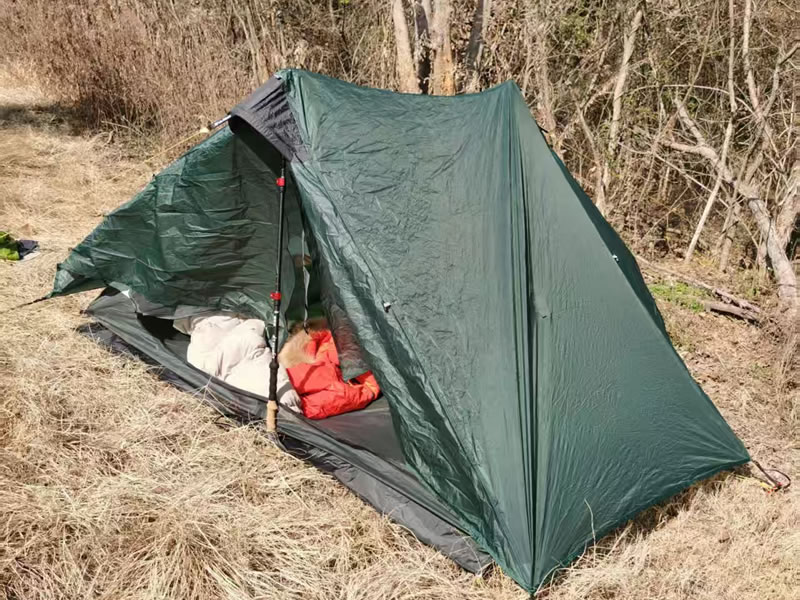
Recommended trekking pole purchase link: https://s.click.aliexpress.com/e/_c4M7OWaN
The Short Answer
Yes, many modern tents are specifically designed to use trekking poles as structural supports. These "trekking pole tents" replace traditional aluminum or fiberglass poles with your existing walking poles, saving significant weight and pack space. However, not every tent works this way, and not every walking pole is suitable for the job.
How Trekking Pole Tents Work
Trekking pole tents utilize your poles to create the shelter's structure. Typically, the tent body features reinforced grommets, pockets, or clips at the peak points where your pole tips insert. Once your poles are extended and placed in these designated spots, they lift the tent into its characteristic A-frame or pyramid shape. Guy lines and stakes provide additional tension and stability.
This design eliminates the need for separate tent poles, which can weigh a pound or more. For thru-hikers and weight-conscious backpackers, this reduction is transformative.
What Kind of Walking Poles Work Best?
While most walking poles can function as tent supports, certain features make the setup more reliable:
- Adjustable Poles: These offer the most flexibility. Different tents require different heights for proper pitch, and adjustable poles allow you to dial in the exact length needed. On varied terrain, being able to tweak pole height improves stability and headroom.
- Secure Locking Mechanisms: Your poles must hold their length under tension. Flick-lock or twist-lock mechanisms should be robust and reliable—slipping poles in the middle of the night can collapse your shelter.
- Durable Tips: Standard carbide tips work fine, but some tents include tip protectors or require rubber tips to prevent damaging the tent floor. Carrying rubber tip covers is wise if your tent has delicate fabric at contact points.
- Sufficient Length: Ensure your poles extend enough to meet your tent's peak height requirement. Most trekking pole tents require poles between 115cm and 130cm. Verify your poles' maximum length against your tent's specifications.
Fixed-Length Poles vs. Adjustable Poles
Both types can work, but with trade-offs:
- Adjustable Poles: Heavier due to locking mechanisms, but offer precise height adjustment for different tents and terrain.
- Fixed-Length Poles: Lighter and simpler, but commit you to a specific tent height. If you switch tents or need to pitch on uneven ground, fixed poles may not provide optimal geometry.
Advantages of Using Walking Poles as Tent Poles
- Weight Savings: Eliminating dedicated tent poles can save 300 to 500 grams or more—a significant reduction for ultralight enthusiasts.
- Multi-Purpose Gear: Your poles serve double duty, reducing the total items you carry.
- Simplified Packing: Without bulky pole sections, your tent compresses smaller into your pack.
- Improved Stability: On snowy or loose ground, planting poles deep provides better anchoring than standard tent poles.
Potential Drawbacks and Considerations
- Dependence on Poles: If you lose or break a pole, your shelter becomes unusable. Carrying a repair splint or backup plan is wise.
- Setup Complexity: Trekking pole tents often require more practice to pitch tautly compared to freestanding designs.
- Floor Space: Many trekking pole tents have sloping walls, which can reduce usable interior space, especially for taller campers.
- Ground Surface: On hard-packed or rocky ground, driving pole tips deep enough for stability may be difficult. Some sites require staking techniques to compensate.
Popular Trekking Pole Tents
Several reputable brands manufacture shelters designed for trekking pole use:
- Zpacks: Known for Dyneema composite fabric tents like the Duplex and Plex Solo, which are exceptionally light and weather-resistant.
- Six Moon Designs: Offers versatile designs like the Lunar Solo and Haven Tarp, compatible with adjustable poles.
- Gossamer Gear: Produces simple, effective shelters such as The One, designed with trekking pole compatibility in mind.
- MSR: Models like the Carbon Reflex utilize trekking poles for significant weight reduction while maintaining livable space.
- Big Agnes: Offers several "trekking pole" versions of popular tents, such as the Copper Spur HV UL Tour.
Tips for Successful Setup
- Practice at Home: Before your trip, pitch your tent in the backyard or a local park. Understanding the geometry and tensioning saves frustration on the trail.
- Carry Extra Cord: Having guy line allows you to extend your pitch options if poles cannot be planted exactly where ideal.
- Use Pole Tips Carefully: On delicate tent fabrics, consider rubber tip covers or placing a small fabric square under the tip to prevent punctures.
- Check Pole Height: Measure your tent's peak height requirement and ensure your poles extend sufficiently before leaving home.
- Secure Locking Mechanisms: Double-check that your pole locks are tight before inserting them into the tent—slippage mid-pitch is aggravating.
The Bottom Line
Can walking poles be used as tent poles? Absolutely—and for many backpackers, this combination represents the pinnacle of efficient gear selection. By choosing a shelter designed for trekking pole support and ensuring your poles have the necessary adjustability and durability, you can enjoy the freedom of ultralight travel without sacrificing protection from the elements. Just remember to practice your pitch, carry basic repair supplies, and enjoy the weight savings on your next adventure.




