




Can Walking Poles Help with Sciatica? Understanding the Benefits for Nerve Pain Relief
Sciatica—the sharp, radiating pain that travels from the lower back down through the buttocks and leg—can make even simple walking feel like a daunting challenge. For those seeking relief without relying solely on medication, a common question arises: can walking poles help with sciatica? The answer offers hope, but understanding the mechanics, benefits, and limitations is essential for safe and effective use.
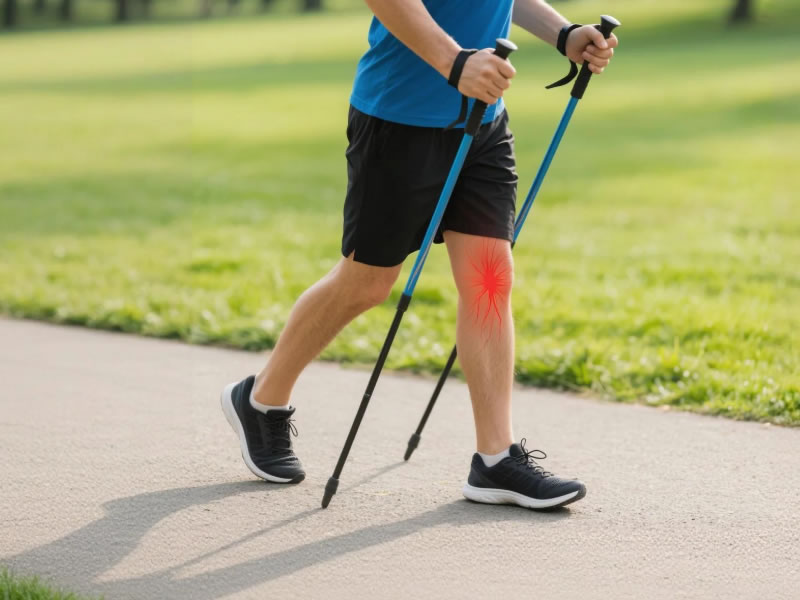
Recommended trekking pole purchase link: https://s.click.aliexpress.com/e/_c4M7OWaN
Understanding Sciatica
Sciatica refers to pain caused by irritation or compression of the sciatic nerve, the largest nerve in the human body. This nerve runs from the lower back, through the hips and buttocks, and down each leg. Common causes include herniated discs, spinal stenosis, piriformis syndrome, or degenerative disc disease. Symptoms range from mild aching to burning sensations, numbness, and sharp shooting pains that can make walking and standing difficult.
How Walking Poles May Help
Walking poles can offer several potential benefits for individuals managing sciatica:
Improved Posture: Poor posture often exacerbates sciatic pain. When we slump or lean forward, spinal alignment suffers, increasing pressure on the lumbar discs and nerve roots. Walking poles encourage an upright stance by engaging the upper body and promoting a taller, more aligned posture. This reduced spinal compression can lessen irritation of the sciatic nerve.
Weight Distribution: Normally, our lower body bears the full impact of each step. Walking poles transfer a portion of your body weight—typically 20 to 30 percent—to your arms and shoulders. This redistribution reduces the load on your lower back, hips, and legs, potentially decreasing pain during and after walking.
Shock Absorption: Each heel strike sends a jolt of impact up through the legs and into the spine. For those with nerve compression, this repetitive jarring can aggravate symptoms. Many walking poles feature built-in shock absorption systems that dampen these forces, providing a smoother, gentler walking experience.
Engaging Core Muscles: Proper pole use requires core engagement, which helps stabilize the spine. A stronger core provides better support for the lower back, potentially reducing strain on the sciatic nerve over time.
Increased Confidence: Fear of pain can lead to reduced activity, which weakens muscles and worsens symptoms. Poles provide external stability, making walking feel safer and more achievable. This confidence encourages consistent, gentle movement—crucial for managing chronic pain.
Choosing the Right Poles for Sciatica
Not all walking poles offer the same benefits. For sciatica management, look for these features:
Shock Absorption: This is perhaps the most important feature. Poles with built-in springs or elastomers absorb impact at each step, reducing jarring forces transmitted to your spine. Look for models labeled "anti-shock" or with adjustable dampening.
Ergonomic Grips: Comfortable, contoured grips reduce hand fatigue and encourage proper technique. Cork or foam materials provide secure traction without requiring a tight, straining grip.
Lightweight Construction: Heavy poles increase fatigue and may worsen posture. Carbon fiber or lightweight aluminum models are easier to manage during longer walks.
Adjustable Length: Being able to fine-tune pole height ensures optimal positioning for your specific body mechanics. Proper height promotes upright posture without overreaching.
Recommended Walking Poles
LEKI Journey
LEKI's Journey poles are specifically designed for fitness walking and feature an excellent shock absorption system. The soft, comfortable grips reduce hand strain, and the lightweight aluminum construction minimizes fatigue. These are widely recommended for those seeking joint and nerve relief.
Black Diamond Trail Ergo Cork
These poles offer comfortable cork grips that mold to your hands and a reliable shock absorption system. The flick-lock adjustment is secure and easy to use, allowing you to fine-tune length for optimal posture.
Exerstrider Poles
Designed with rehabilitation in mind, Exerstrider poles feature angled grips that promote upright posture and proper arm swing. The shock-absorbing tips reduce impact, making them suitable for those with back and nerve concerns.
Cascade Mountain Tech Anti-Shock Poles
For a budget-friendly option, these poles include a spring-loaded shock absorption system and comfortable cork grips. They offer good value while providing essential features for sciatica management.
How to Use Walking Poles Safely with Sciatica
- Consult Your Healthcare Provider: Before starting any new exercise, discuss it with your doctor or physical therapist. They can confirm whether walking poles are appropriate for your specific condition and offer personalized guidance.
- Learn Proper Technique: Plant the pole opposite your forward foot, creating a natural cross-crawl pattern. Push down through the pole as you step, transferring weight away from your legs. Your arms should swing naturally from the shoulder, not the elbow.
- Start Slowly: Begin with short, gentle walks on level, forgiving surfaces like grass or track. Gradually increase duration as your body adapts.
- Listen to Your Body: Some discomfort during movement is normal, but sharp, worsening pain is a sign to stop. Pay attention to how your body responds and adjust accordingly.
- Combine with Other Treatments: Walking poles are a complementary tool, not a replacement for medical care. Continue with prescribed treatments, stretches, and exercises recommended by your healthcare team.
Potential Limitations and Considerations
While walking poles can be helpful, they are not a cure for sciatica. Underlying structural issues require appropriate medical management. Additionally, improper technique—such as leaning too heavily on poles or using them at incorrect heights—can worsen posture and increase pain rather than relieving it.
Some individuals with severe sciatica may find any walking difficult initially. In these cases, starting with gentler exercises like pool walking or stationary cycling may be more appropriate before transitioning to pole walking.
Additional Benefits Beyond Pain Relief
Beyond sciatica management, regular pole walking offers:
- Improved cardiovascular fitness
- Increased upper body strength and endurance
- Better balance and coordination
- Weight management support
- Enhanced mood through gentle outdoor activity
The Bottom Line
Can walking poles help with sciatica? For many individuals, yes—when used correctly and as part of a comprehensive management plan. By improving posture, reducing spinal impact, and redistributing weight, poles can make walking more comfortable and achievable for those suffering from nerve pain. The key lies in selecting poles with appropriate features—particularly shock absorption—and using proper technique under professional guidance. While poles are not a standalone cure, they can be valuable tools in your journey toward greater mobility and reduced pain.
Disclaimer: This article provides general information and does not constitute medical advice. Always consult your healthcare provider before starting any new exercise program, especially if you have a diagnosed condition like sciatica.




