




Walking Poles for Ankle Support – Do They Help? A Comprehensive Guide
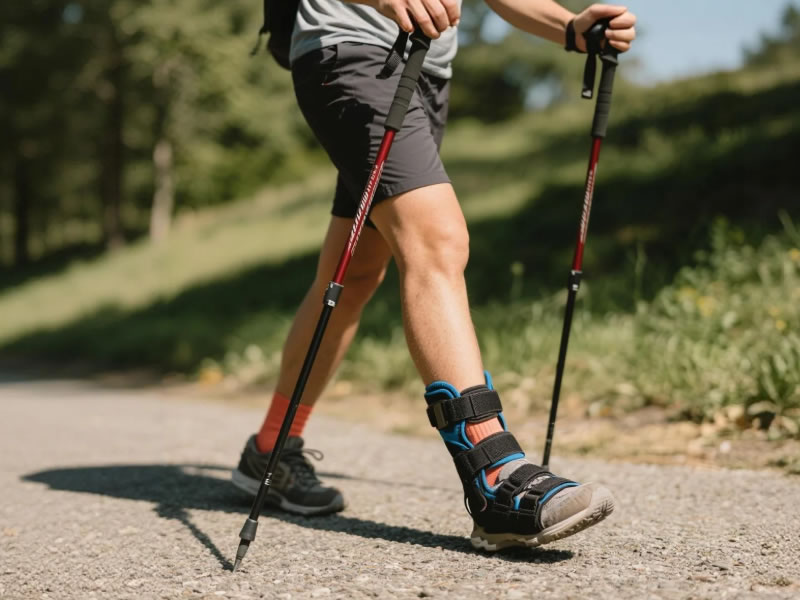
Ankle injuries are among the most common complaints for walkers and hikers. Whether you are recovering from a sprain, managing chronic instability, or simply trying to prevent future issues, the question often arises: can walking poles provide meaningful ankle support? The answer is nuanced—while poles do not physically brace the ankle joint, they offer significant indirect support that can protect vulnerable ankles and aid recovery. This guide explores how walking poles contribute to ankle stability and what to look for when choosing them.
Recommended trekking pole purchase link: https://s.click.aliexpress.com/e/_c4M7OWaN
Understanding Ankle Vulnerability
The ankle is a complex hinge joint responsible for bearing the body's full weight while accommodating uneven terrain, sudden direction changes, and impact forces. Weakness from previous injury, insufficient muscle strength, or proprioceptive deficits (reduced awareness of joint position) all increase the risk of rolling or spraining an ankle during walking.
Traditional ankle support comes in the form of braces, taping, or strengthening exercises. Walking poles offer a different approach—one based on biomechanics rather than direct joint stabilization.
How Walking Poles Support Ankles
Weight Redistribution: Each step with walking poles transfers a portion of your body weight—typically 20 to 30 percent—from your lower body to your arms and shoulders. This means less force passes through your ankles with every stride. Reduced load means reduced stress on already vulnerable joints, allowing walking with less pain and lower reinjury risk.
Enhanced Stability: Two poles create four points of ground contact (two feet plus two poles), widening your base of support significantly. This broader foundation makes it harder to lose balance and easier to recover if you do stumble. For ankles prone to rolling, this extra stability is invaluable on uneven terrain.
Proprioceptive Feedback: Poles provide sensory information through your hands and arms about ground conditions and body position. This feedback enhances your brain's awareness of your overall stability, allowing for subtle adjustments that protect ankles before a misstep becomes a fall.
Reduced Compensatory Gait: When ankles hurt, people often walk abnormally—limping, shifting weight excessively, or altering stride length. These compensations can cause secondary problems in knees, hips, and the opposite ankle. Poles allow a more natural gait pattern by reducing pain enough to walk normally.
Confidence Factor: Fear of ankle pain or reinjury leads many to walk cautiously or avoid walking altogether. Poles provide psychological reassurance that encourages consistent activity, which in turn maintains the muscle strength and balance needed for long-term ankle health.
Choosing Poles for Ankle Support
Not all walking poles offer the same benefits for ankle concerns. Look for these features:
Shock Absorption: Ankles sensitive to impact benefit from poles with built-in shock absorption. Springs or elastomers cushion each step, reducing jarring forces that travel through the legs.
Wide Baskets for Uneven Terrain: If you walk on trails or uneven ground, poles with wide trekking baskets prevent the tip from sinking into soft surfaces, maintaining stability when you need it most.
Secure Locking Mechanisms: Adjustable poles must hold their length reliably under load. Flick-lock or lever-lock systems are more secure than basic twist-locks, especially when you depend on poles for balance.
Comfortable, Non-Slip Grips: When you rely on poles for support, grip comfort matters. Cork or foam handles absorb sweat and provide secure traction without requiring a tight, straining grip that causes hand fatigue.
Lightweight Construction: Heavy poles increase overall effort and may actually destabilize you if they are cumbersome. Carbon fiber or lightweight aluminum models are easier to manage during long walks.
Recommended Walking Poles
Black Diamond Trail Pro Shock
These poles feature a reliable shock absorption system that reduces joint impact. The foam grips extend below the handle for versatile hand positioning, and the flick-lock adjustments are secure and easy to use. Interchangeable tips allow you to add wide baskets for trail walking.
LEKI Wanderfreund
Designed for Nordic walking, these poles offer exceptional stability with their wide rolling tips that maintain continuous ground contact. The shock-absorbing system smooths each step, and the ergonomic grip promotes proper hand position—reducing overall strain on the body.
Cascade Mountain Tech Anti-Shock Poles
For a budget-friendly option, these include spring-loaded shock absorbers and comfortable cork grips. The aluminum construction is durable, and they accept standard accessories like wide baskets for uneven terrain.
Exerstrider Poles
Specifically designed for fitness walking and rehabilitation, Exerstrider poles feature angled grips that encourage upright posture—taking additional pressure off ankles and knees. The shock-absorbing tips reduce impact on hard surfaces.
Proper Technique for Ankle Protection
To maximize ankle support from poles:
- Maintain Upright Posture: Stand tall with shoulders relaxed. Poles should angle slightly backward, not forward, to provide proper weight transfer.
- Plant Strategically: On uneven ground, plant poles where you need extra stability—downhill side when traversing slopes, ahead of you when descending.
- Use the Straps Correctly: Insert hand upward through the strap, then grip the handle. The strap should bear weight, allowing a relaxed grip that reduces hand fatigue.
- Coordinate Movement: The basic pattern is opposite pole to opposite foot—right pole forward with left foot. This natural cross-crawl motion enhances stability.
- Adjust Height Properly: With tip on ground beside foot, elbow should form 90 degrees. Too long or too short compromises effectiveness.
When Poles May Not Be Enough
Walking poles are supportive tools, not medical devices. They cannot replace proper medical care for significant ankle injuries. If you experience:
- Severe pain with weight-bearing
- Inability to walk on the affected ankle
- Significant swelling or bruising
- Sensation of instability or "giving way"
Consult a healthcare provider. You may require bracing, physical therapy, or other interventions beyond what poles can provide.
Combining Poles with Other Ankle Support
For maximum protection, consider using poles alongside:
- Ankle Bracing: A lace-up or stirrup brace provides direct mechanical support while poles reduce overall load.
- Strengthening Exercises: Calf raises, balance training, and resistance work address underlying weaknesses.
- Proper Footwear: Supportive shoes with good ankle coverage complement pole use.
The Bottom Line
Do walking poles help with ankle support? Yes—significantly, though indirectly. By reducing the load ankles must bear, improving overall stability, and providing sensory feedback that prevents missteps, poles offer meaningful protection for vulnerable ankles. They are particularly valuable during recovery from minor injuries, for managing chronic instability, and for preventing first-time injuries on challenging terrain. The key lies in choosing poles with appropriate features—shock absorption, secure locks, and comfortable grips—and using proper technique. While not a replacement for medical care when needed, walking poles are excellent tools for keeping ankles healthy and active.
Disclaimer: This article provides general information and does not constitute medical advice. Always consult your healthcare provider for persistent ankle pain or instability.




