




Best Walking Poles for Desert Hiking: Essential Gear for Arid Adventures
Desert hiking presents a unique set of challenges that demand specialized equipment. Unlike forest trails with soft soil and predictable terrain, deserts offer shifting sand, loose scree, razor-sharp rocks, and extreme temperatures. Your walking poles must withstand these harsh conditions while providing reliable support. This guide explores the features that matter most for desert environments and recommends the best poles to keep you stable and safe on arid trails.
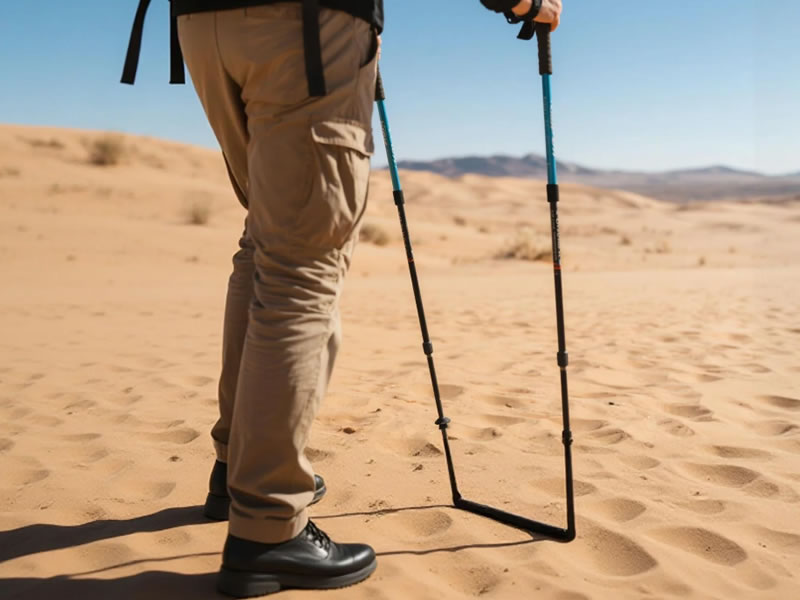
Recommended trekking pole purchase link: https://s.click.aliexpress.com/e/_c4M7OWaN
Why Desert Terrain Requires Different Poles
The desert is deceptive. What looks like solid ground can be several inches of soft sand over hardpan. Loose rocks slide underfoot. Temperatures can exceed 100°F, baking gear and drying out materials. Standard poles designed for forest trails often fail in these conditions—baskets are too small, grips become slippery with sweat, and locking mechanisms clog with fine sand. Desert-specific poles address these challenges with thoughtful design features.
Critical Features for Desert Poles
Large Baskets for Sand: Standard trekking baskets are designed for dirt and measure roughly 1.5 inches across. In soft sand, these small baskets sink immediately, providing no support and exhausting your arms. Desert hiking requires large sand baskets—often 3 to 4 inches in diameter—that float on the surface rather than plunging through. Look for interchangeable basket systems that allow you to swap between trail and sand configurations.
Durable Construction for Rock Scraping: Deserts are filled with abrasive rock that chews up gear. Carbon fiber poles, while lightweight, can be scored and weakened by sharp rock edges. Aluminum construction is generally preferred for desert use—it withstands abrasion better and bends rather than snaps under extreme stress. High-grade aluminum like 7075 offers excellent durability without excessive weight.
Heat-Resistant Grips: In direct sun, grip materials heat up dramatically. Rubber grips can become uncomfortably hot and may deteriorate faster in UV exposure. Cork grips are ideal for desert hiking—they remain cool to the touch even in intense heat, absorb sweat without becoming slippery, and naturally resist UV degradation. Textured foam is a good alternative but may retain more heat.
Secure Locking Mechanisms: Fine desert sand is the enemy of mechanical systems. Sand infiltrates twist-locks and flick-locks, causing them to jam or fail. Look for poles with sealed locking mechanisms or designs that are easily cleaned. Flick-lock systems (like Black Diamond's FlickLock) are generally easier to clear of sand than twist-locks, which can grind and seize.
Interchangeable Tips: Desert surfaces vary from hard-packed clay to loose scree to slickrock sandstone. Carbide tips bite into hard surfaces, while rubber tips provide traction on smooth rock. The ability to swap tips quickly allows you to adapt to changing terrain.
Vibration Dampening: Walking on hard desert surfaces transmits significant shock through the poles and into your hands and arms. Some poles feature built-in vibration dampening or shock absorption, reducing fatigue on long days.
Recommended Desert Hiking Poles
Black Diamond Alpine Cork
The Black Diamond Alpine Cork poles are excellent for desert hiking. The cork grips remain cool and comfortable even in blistering heat, and they absorb sweat effectively. The flick-lock mechanisms are reliable and relatively easy to clear if sand infiltrates. These poles accept large snow baskets (which double as sand baskets) and feature durable aluminum construction that withstands rock abrasion. The interchangeable tip system allows you to switch between carbide and rubber as terrain demands.
LEKI Makalu Lite
LEKI's Makalu Lite poles feature a comfortable cork grip and the brand's reliable Speed Lock system. The aluminum shaft is durable enough for rocky terrain, and the large alpine baskets work well in soft sand. LEKI's locking mechanisms are well-sealed against debris, and the poles accept a wide range of interchangeable tips. These are slightly heavier than some competitors but offer exceptional durability.
Cascade Mountain Tech Anti-Shock Aluminum Poles
For budget-conscious desert hikers, these aluminum poles include spring-loaded shock absorbers that reduce impact on hard surfaces. The cork grips stay cool and comfortable, and the flick-lock mechanisms are functional if maintained. They accept standard large baskets (sold separately) that improve sand performance. While not as refined as premium options, they offer excellent value for occasional desert use.
Komperdell Explorer Powerlock
Komperdell's Explorer series features durable aluminum construction and the reliable Powerlock system. The cork grips are comfortable in heat, and the poles include large baskets suitable for sand. Komperdell is known for rigorous testing, and these poles hold up well to demanding conditions. The interchangeable tip system adds versatility.
Black Diamond Distance Carbon Z
For desert travelers who prioritize weight savings, the Distance Carbon Z fixed-length poles are exceptionally lightweight. However, carbon fiber requires more care around sharp rock—one bad scrape against a razor edge can compromise the shaft. These are best suited for experienced desert hikers who can protect their gear and avoid the most abrasive terrain.
How to Use Poles in Desert Conditions
Proper technique varies with desert surfaces:
On Soft Sand: Use large baskets to distribute weight. Plant poles slightly wider than usual for stability. Push down firmly to engage the basket before transferring weight. On steep sand dunes, poles provide critical support—plant deeply and move deliberately.
On Loose Scree: Test each plant before committing weight. Rocks shift unpredictably; poles help you maintain balance when footing fails. Keep your center of gravity low and use poles to probe unstable sections.
On Slickrock: Switch to rubber tips for traction on smooth sandstone. Poles provide balance on exposed rock slabs where a slip could be serious. Use them to maintain three points of contact on steep sections.
During Cross-Slope Traverses: On sidehills, keep the uphill pole shorter and the downhill pole longer for balanced support. This technique is essential on loose desert slopes.
Maintenance for Desert Poles
Sand and heat take a toll. Follow these maintenance practices:
- Clean Locking Mechanisms: After each desert trip, extend each section and wipe away any sand. Compressed air can help clear debris from locks.
- Rinse Thoroughly: If your poles have been in contact with alkaline desert dust or salt flats, rinse them with fresh water to prevent corrosion.
- Inspect for Wear: Check shafts for nicks and scrapes that could weaken the structure. Pay special attention to carbon fiber poles—any deep scratch warrants replacement.
- Lubricate Sparingly: If locks become stiff, use minimal dry lubricant (never oil, which attracts sand).
- Store Out of Sun: Prolonged UV exposure degrades grip materials and basket plastics. Store poles indoors or in shade.
Additional Desert Hiking Considerations
- Hydration: Desert hiking dehydrates quickly. Carry more water than you think necessary.
- Sun Protection: Wide-brim hats, long sleeves, and high-SPF sunscreen are essential.
- Navigation: Trails can be faint or nonexistent. Carry maps, GPS, and know how to use them.
- Timing: Hike early morning or late afternoon to avoid midday heat. Consider night hiking in extreme conditions.
- Footwear: Poles complement but don't replace appropriate desert boots with good ankle support and lugged soles.
The Bottom Line
Desert hiking demands poles that can handle sand, rock, and heat. Large baskets prevent sinking in soft terrain, aluminum construction withstands abrasion, cork grips stay cool and secure, and reliable locking mechanisms resist sand infiltration. The Black Diamond Alpine Cork leads the category with thoughtful design for arid conditions, while LEKI and Komperdell offer worthy alternatives. With the right poles and proper technique, you can explore desert landscapes with confidence, stability, and comfort—even when the trail disappears into shifting sand.
Disclaimer: This article provides general information about gear selection. Desert hiking involves serious risks including extreme temperatures, dehydration, and remote terrain. Always prepare thoroughly, carry appropriate supplies, and inform others of your itinerary.




