




Best Walking Poles for Hiking the Grand Canyon Rim to Rim: Essential Gear for an Epic Trek
Hiking the Grand Canyon from rim to rim is one of the most iconic and challenging day hikes in the United States. Covering approximately 24 miles with over 10,000 feet of cumulative elevation change, this trek demands preparation, endurance, and the right equipment. Among the most critical gear choices you will make is selecting walking poles. The constant ascent and descent, combined with rocky, uneven terrain, places enormous stress on your joints. The right poles can mean the difference between a triumphant finish and a painful, injury-shortened adventure. This guide explores the features that matter most for this specific trek and recommends the best poles to carry you from North Rim to South Rim.
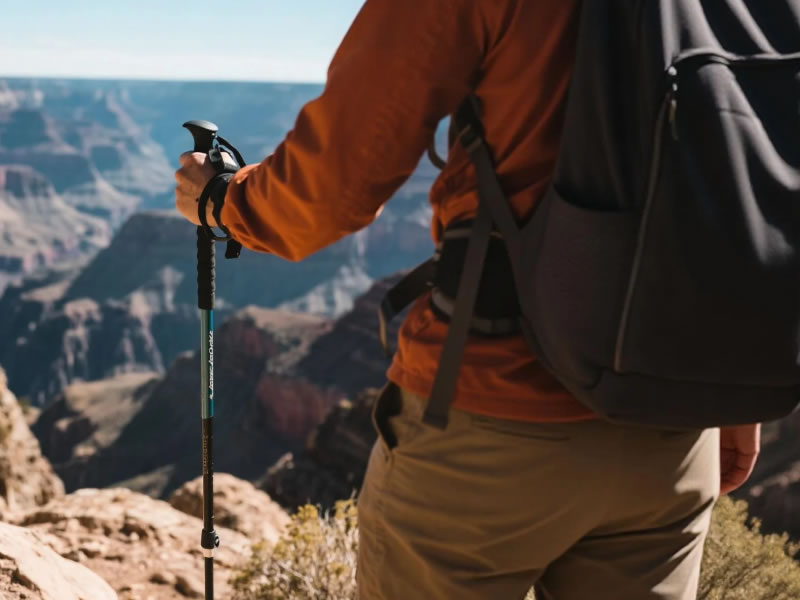
Recommended trekking pole purchase link: https://s.click.aliexpress.com/e/_c4M7OWaN
Why Rim to Rim Demands Specialized Poles
The Grand Canyon is not a typical hiking environment. Its unique challenges include:
Extreme Elevation Changes: Descending from the North Rim (around 8,000 feet) to the Colorado River (2,400 feet) involves over 5,000 feet of downhill—a knee-pounding, quad-burning plunge. The subsequent ascent to the South Rim (7,000 feet) requires sustained climbing. Your poles must adapt to both extremes.
Relentless Rocky Terrain: The trails—North Kaibab, Bright Angel, and South Kaibab—are rugged. Loose rocks, stone steps, and abrasive surfaces are constant. Poles must withstand repeated impacts without failing.
Variable Conditions: You may start in cool pine forest, descend through desert heat at the river, and finish in afternoon sun or even monsoon storms. Poles must perform across temperature extremes.
Sheer Distance: At 24 miles, every inefficiency compounds. Poles that are too heavy, poorly balanced, or uncomfortable will become increasingly burdensome as the miles accumulate.
Critical Features for Rim to Rim Poles
Adjustable Length: This is non-negotiable for rim to rim. You need poles that shorten significantly for steep climbs, allowing proper elbow angle and efficient power transfer. For descents, you need them longer to maintain upright posture and reduce knee impact. Look for poles with at least 25-30cm of adjustability.
Shock Absorption: The relentless pounding of thousands of downhill steps can aggravate knees, hips, and backs. Poles with built-in shock absorption—springs or elastomers in the shaft—cushion each step, significantly reducing joint stress. This feature is worth its weight in comfort by mile 20.
Lightweight Construction: When you are lifting poles tens of thousands of times over 24 miles, every ounce matters. Carbon fiber poles are lighter than aluminum, reducing arm fatigue. However, they must be durable enough for rocky terrain.
Durable Materials: The abrasive Grand Canyon trails chew up gear. Look for high-quality aluminum (like 7075) or reputable carbon fiber with impact-resistant construction. Avoid budget poles with questionable durability.
Comfortable Grips: Sweat, heat, and long hours demand grips that stay comfortable. Cork is ideal—it molds to your hand, absorbs moisture, and remains cool. Foam is a good alternative. Rubber becomes slippery and uncomfortable in heat.
Secure Locking Mechanisms: Adjustable poles are only useful if they hold their setting. Flick-lock or lever-lock systems (like Black Diamond's FlickLock or LEKI's Speed Lock) are more reliable than twist-locks, especially when dirty or wet.
Interchangeable Tips: Carbide tips bite into rock, while rubber tips provide traction on pavement at trailheads. The ability to swap tips adds versatility.
Recommended Poles for Rim to Rim
Black Diamond Alpine Carbon Cork
The Black Diamond Alpine Carbon Cork poles are widely considered the gold standard for demanding treks like rim to rim. They feature lightweight carbon fiber construction that reduces arm fatigue over 24 miles. The cork grips stay comfortable and secure despite sweat and heat. The flick-lock mechanisms are reliable and easy to adjust on the fly—critical when transitioning from descent to ascent. These poles accept large baskets (useful if snow lingers on the North Rim) and include interchangeable carbide tips. The shock-absorbing version (Trail Pro Shock) adds cushioning for joint protection.
LEKI Makalu Tour
LEKI's Makalu Tour poles are built for high-altitude and long-distance trekking. The aluminum construction is durable enough for rocky trails, yet reasonably lightweight. The Speed Lock system holds securely and is easy to operate with gloves. The Aergon grip promotes natural hand position and reduces fatigue. These poles accept large baskets and feature interchangeable tip systems. LEKI's reputation for reliability makes them a solid choice for a one-shot epic.
Black Diamond Distance Carbon Z
For ultralight enthusiasts, the Distance Carbon Z fixed-length poles offer incredible weight savings (under 10 ounces per pair). However, fixed length means you cannot adjust for climbs and descents—a significant drawback for rim to rim. Some hikers use them by choking up on descents and accepting less efficiency on climbs. They pack down small using a cord system, making them easy to stow on shuttles. Best for experienced hikers who prioritize weight over adjustability.
Cascade Mountain Tech Carbon Fiber
For budget-conscious hikers, these carbon fiber poles offer good value. They feature cork grips and flick-lock adjustments. While not as refined as premium brands, they perform adequately for occasional use. However, durability may be a concern on the abrasive Grand Canyon trails—inspect them carefully before and during your hike.
Komperdell Carbon Explorer
Komperdell's Carbon Explorer poles combine lightweight carbon construction with reliable Powerlock mechanisms. The cork grips are comfortable, and the poles include large baskets suitable for varied conditions. Komperdell is known for rigorous testing, and these poles hold up well to demanding use. They offer a good balance of weight, durability, and features.
How to Use Poles on Rim to Rim
Proper technique maximizes benefit and minimizes fatigue:
Descending (North Rim to River): Extend poles 5-10cm longer than your flat-ground length. Plant them slightly ahead of you, allowing them to absorb impact before your knees do. Maintain upright posture—don't lean back, which strains quads. Use poles to brake gently on steep sections.
Ascending (River to South Rim): Shorten poles to achieve 90-degree elbow angle. Plant them slightly behind you, pushing down to transfer weight from legs to arms. On steep switchbacks, shorten further or choke down on grips.
On Flat Sections: Return to standard length (elbow at 90 degrees with tip beside foot). Use a natural cross-crawl motion—right pole with left foot.
During Rest Stops: Plant poles securely or lay them flat where they won't roll. Never leave them leaning where they can fall and startle other hikers.
Additional Rim to Rim Considerations
Shock Absorption Decision: The debate over shock absorption is personal. Some hikers love the joint relief; others find the slight "bounce" disconcerting. If your knees are sensitive, shock-absorbing poles are likely worth the minor trade-off in energy transfer.
Basket Selection: Standard trekking baskets are usually sufficient. However, if you hike early or late in the season when snow may linger on the North Rim, larger baskets help prevent post-holing.
Tip Maintenance: The Grand Canyon's abrasive rock will wear down carbide tips. Check them before your hike and consider carrying spares for multi-day trips.
Pole Storage on Shuttles: If you use shuttle services between rims, ensure your poles collapse sufficiently to fit in pack or luggage. Most three-section poles pack to reasonable lengths.
Physical Preparation: Even the best poles cannot compensate for inadequate training. Prepare with specific downhill practice—your quads and knees need conditioning for the relentless descent.
The Bottom Line
Hiking the Grand Canyon rim to rim is a monumental achievement that demands respect and preparation. Choosing the right walking poles is an essential part of that preparation. Prioritize adjustable length for varying terrain, shock absorption for joint protection, lightweight construction for endurance, and comfortable cork grips for long hours. The Black Diamond Alpine Carbon Cork stands out as the top choice, offering the ideal combination of these features in a reliable, durable package. With the right poles in hand and proper training behind you, you can focus on the incredible experience of traversing one of the world's most magnificent landscapes—and save your knees for future adventures.
Disclaimer: This article provides general information about gear selection. Rim to rim hiking involves significant risks including extreme conditions, physical exertion, and remote travel. Always prepare thoroughly, carry appropriate supplies, check conditions with the National Park Service, and consider your personal fitness level honestly.




