




Walking Poles for Off-Trail Navigation – How Useful? A Comprehensive Guide
When the trail disappears and you strike out into the wild, navigating off-trail terrain presents unique challenges. The ground is uneven, hidden hazards lurk beneath vegetation, and maintaining direction requires constant attention. In this environment, walking poles transition from simple hiking aids to essential navigation tools. But just how useful are they for off-trail navigation? The answer depends on terrain, technique, and understanding both their capabilities and limitations.
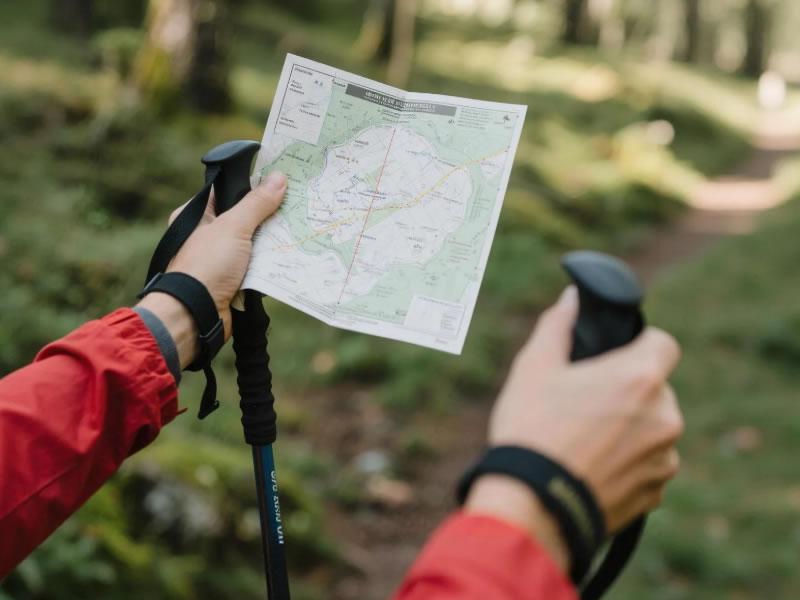
Recommended trekking pole purchase link: https://s.click.aliexpress.com/e/_c4M7OWaN
The Short Answer
Walking poles are extremely useful for off-trail navigation in many contexts. They provide stability on uneven ground, allow you to probe hidden terrain, reduce fatigue during cross-country travel, and can even assist with route-finding. However, their usefulness varies with vegetation density and terrain type. In open forests and alpine zones, they are invaluable. In dense, tangled vegetation, they can become hindrances that require strategic management.
How Poles Help with Off-Trail Navigation
Probing Hidden Terrain: When walking off-trail, you cannot see what lies beneath vegetation, leaf litter, or snow. Poles allow you to probe ahead, testing ground stability before committing your weight. This is crucial for detecting hidden holes, loose rocks, logs, or even animal burrows that could cause falls or injuries. In marshy areas, probing helps identify solid ground versus sinkholes.
Maintaining Balance on Uneven Ground: Off-trail terrain is inherently unstable. You might be stepping over fallen trees, crossing boulder fields, or traversing steep slopes. Poles provide two additional points of ground contact, significantly improving balance and reducing fall risk. This stability allows you to focus on navigation rather than constantly watching your feet.
Clearing Vegetation and Spiderwebs: For the lead navigator, poles become extensions of your arms for brushing aside spiderwebs, pushing through light brush, and moving branches out of the way. This improves visibility and makes progress slightly more comfortable, allowing you to maintain forward momentum while navigating.
Reducing Fatigue: Cross-country travel is physically demanding. The constant effort of maintaining balance and pushing through vegetation exhausts leg muscles quickly. Poles transfer some of this workload to your upper body, distributing effort and potentially extending your effective travel time before fatigue compromises navigation decisions.
Aiding Stream Crossings: Off-trail routes often involve crossing streams where bridges do not exist. Poles provide critical support when stepping on slippery rocks or testing water depth, reducing the risk of an unexpected plunge that could soak maps, electronics, and clothing.
Testing Snow Bridges: In spring or high-altitude off-trail travel, snow bridges may conceal streams or crevasses. Poles allow you to probe ahead, testing snow stability before committing your weight—a potentially life-saving technique.
Providing Rhythm and Cadence: Maintaining a steady pace aids navigation by providing predictable timing for map checks and bearing adjustments. Poles help establish a rhythm that makes off-trail travel feel more organized and less chaotic.
When Poles Become a Hindrance
Despite these benefits, poles can become liabilities in certain off-trail conditions:
Dense Vegetation: In thick brush, poles catch on everything. Vines wrap around them, branches snag baskets, and progress slows to a crawl as you constantly free tangled poles. In these conditions, stowing poles and using hands for balance is often more efficient.
Scrambling Terrain: When off-trail travel involves scrambling over rocks or through tight spaces, poles in your hands reduce maneuverability. You may need free hands to grip rock or pull yourself up obstacles.
Steep, Loose Slopes: On extremely steep terrain, poles can be difficult to plant securely and may even contribute to instability if they slip. In these cases, proper three-point climbing technique (using hands) is safer.
Navigation Intensity: When navigation requires frequent map checks, compass bearings, or GPS consultation, managing poles becomes an extra task. Some navigators prefer free hands for quick access to instruments.
Strategies for Success
Given these competing factors, the key lies in adapting pole use to conditions:
Choose the Right Poles: For off-trail navigation, durable aluminum poles are generally preferable to carbon fiber. They withstand impacts and twists better and are more likely to bend than snap. Look for poles with secure locking mechanisms that won't slip when you need them. Smaller baskets are actually helpful in most off-trail terrain—large baskets catch on vegetation.
Use Collapsible or Adjustable Poles: The ability to shorten poles when vegetation thickens reduces snagging. Three-section poles that collapse reasonably small are easier to manage in tight spaces and can be stowed quickly when needed.
Know When to Stow: The most effective off-trail navigators develop a sense for when poles transition from helpful to hindrance. In open terrain, use them freely. When you hit dense thickets or scrambling sections, stop, collapse your poles, and attach them to your pack until you clear the worst obstacles. This takes time but saves frustration and energy.
Use One Pole Instead of Two: In moderately thick vegetation or on moderate slopes, switching to a single pole can provide some stability while reducing snagging and freeing one hand for navigation tasks. Use the pole on your downhill side on slopes.
Techniques for Off-Trail Navigation with Poles
When you keep poles in hand, adapt your technique:
- Shorten Your Grip: Choke down on the poles, holding them closer to the basket. This reduces the lever arm and makes them less likely to catch on overhead branches.
- Lift, Don't Drag: Lift poles clear between plants rather than dragging them through vegetation. This requires more energy but reduces snagging.
- Probe Deliberately: When testing terrain, plant firmly and feel for hidden obstacles before transferring weight.
- Use as Third Hand: When consulting map or compass, you can temporarily tuck one pole under an arm while maintaining balance with the other.
The Navigator's Toolkit
Remember that poles are navigation aids, not navigation tools themselves. They support your primary navigation methods:
- Map and Compass: Essential skills for off-trail travel. Poles help you maintain balance while taking bearings.
- GPS: Useful for confirmation, but batteries fail. Poles help you move efficiently while checking devices.
- Natural Navigation: Observing sun position, terrain features, and vegetation patterns. Poles keep you stable while you observe.
Recommended Poles for Off-Trail Navigation
Black Diamond Alpine Cork: Durable aluminum construction, reliable flick-lock mechanisms, comfortable cork grips. A versatile choice for varied off-trail conditions.
LEKI Makalu Lite: Robust aluminum build, secure Speed Lock system, comfortable grips. Excellent durability for demanding terrain.
Cascade Mountain Tech Aluminum: Budget-friendly option with essential features. Good for occasional off-trail use.
The Bottom Line
How useful are walking poles for off-trail navigation? In appropriate terrain, they are extremely useful—providing stability, reducing fatigue, enabling terrain probing, and supporting efficient travel. In dense vegetation or scrambling terrain, they become hindrances that require strategic management. The skilled off-trail navigator develops the judgment to know when poles help and when they hinder, and the flexibility to adapt—using them when beneficial, stowing them when they become obstacles. This adaptability, combined with choosing durable aluminum poles and mastering techniques to minimize snagging, allows you to gain the benefits of poles without being burdened by their limitations. Ultimately, poles are tools that serve your navigation goals, not the other way around.
Disclaimer: This article provides general information about gear selection and technique. Off-trail navigation involves inherent risks including navigation errors, injury hazards, and remote travel. Always prepare thoroughly, carry appropriate safety equipment, and develop solid navigation skills before venturing off-trail.




