




Can Walking Poles Help with Plantar Fasciitis? A Comprehensive Guide to Pain Relief
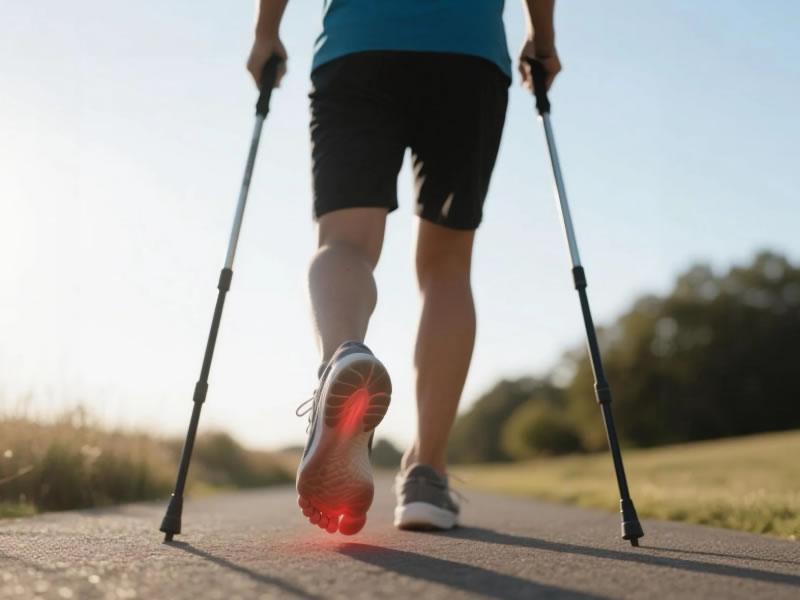
Plantar fasciitis—that sharp, stabbing heel pain that greets you with your first steps in the morning—affects millions of walkers, runners, and everyday individuals. The inflammation of the plantar fascia ligament along the bottom of the foot can make even simple walking excruciating. In the search for relief, a common question arises: can walking poles help with plantar fasciitis? The answer offers genuine hope, but understanding the mechanics, benefits, and limitations is essential for safe and effective use.
Recommended trekking pole purchase link: https://s.click.aliexpress.com/e/_c4M7OWaN
Understanding Plantar Fasciitis
The plantar fascia is a thick band of tissue running across the bottom of your foot, connecting your heel bone to your toes. It supports the arch and absorbs shock with each step. When this tissue becomes overloaded or overstretched, tiny tears and inflammation occur, resulting in pain—typically concentrated near the heel.
Common causes include:
- Sudden increases in activity level
- Unsupportive footwear
- Tight calf muscles or Achilles tendons
- High arches or flat feet
- Prolonged standing on hard surfaces
- Excess body weight placing additional stress on feet
The pain is often most intense with the first steps after rest, gradually easing as the tissue warms up—only to return after prolonged standing or activity.
How Walking Poles Can Help
Walking poles address plantar fasciitis through several biomechanical mechanisms:
Weight Redistribution: This is the most significant benefit. Each step with walking poles transfers 20 to 30 percent of your body weight from your lower body to your arms and shoulders. Less weight through your feet means less stress on the already-inflamed plantar fascia. For someone with plantar fasciitis, this load reduction can make walking possible when it might otherwise be too painful.
Shock Absorption: Each heel strike sends a jolt of impact through your foot. For sensitive plantar fascia, this repetitive pounding aggravates inflammation. Walking poles with built-in shock absorption dampen these forces, reducing the jarring transmitted to your feet.
Improved Gait Mechanics: When feet hurt, people often walk abnormally—limping, shifting weight, or altering stride length to avoid pain. These compensations can cause secondary problems in knees, hips, and the opposite foot. Poles allow a more natural gait pattern by reducing pain enough to walk normally.
Reduced Stride Impact: With poles, you naturally take slightly shorter, more controlled steps. This reduces the force applied to your feet with each contact, further protecting the plantar fascia.
Enhanced Stability: Pain can make you walk tentatively, increasing fall risk. Poles provide stability that allows confident, steady walking despite foot discomfort.
Cold Therapy Alternative: For some, walking in cold conditions with poles allows continued activity while ice packs at home provide targeted therapy—the best of both worlds.
Choosing the Right Poles for Plantar Fasciitis
Not all walking poles offer equal benefits for foot pain. Look for these features:
Shock Absorption: This is the most important feature for plantar fasciitis. Poles with built-in springs or elastomers cushion each step, reducing the impact forces that travel through your feet. Look for models labeled "anti-shock" or with adjustable dampening.
Lightweight Construction: Heavy poles increase overall effort and may actually encourage heavier foot strikes. Carbon fiber or lightweight aluminum models are easier to manage during longer walks.
Comfortable, Non-Slip Grips: When you rely on poles for support, grip comfort matters. Cork or foam handles absorb sweat and provide secure traction without requiring a tight, straining grip that causes hand fatigue.
Adjustable Height: Being able to fine-tune pole height ensures optimal positioning for your specific body mechanics. Proper height promotes efficient weight transfer.
Interchangeable Tips: For walking on hard surfaces like pavement (common for those managing plantar fasciitis), rubber tips provide better traction and additional shock absorption than carbide tips.
Recommended Walking Poles
Black Diamond Trail Pro Shock
These poles feature a sophisticated shock absorption system with adjustable dampening, allowing you to fine-tune the cushioning to your comfort level. The foam grips extend below the handle for versatile hand positioning, and the flick-lock adjustments are secure and easy to use. Interchangeable tips allow for rubber feet on pavement. This is an excellent all-around choice for plantar fasciitis sufferers.
LEKI Wanderfreund
Designed for therapeutic walking, the Wanderfreund features a unique rolling tip that maintains continuous ground contact and a shock-absorbing system that significantly reduces impact. The ergonomic grip promotes proper hand position, and the overall design prioritizes comfort and stability. Many physical therapists recommend these for joint and soft tissue issues.
Exerstrider Poles
Specifically designed for fitness walking and rehabilitation, Exerstrider poles feature angled grips that encourage upright posture and shock-absorbing tips that reduce impact. The company provides excellent customer support and can help match you to the right model.
Cascade Mountain Tech Anti-Shock Poles
For a budget-friendly option, these aluminum poles include spring-loaded shock absorbers and comfortable cork grips. They offer good value while providing essential features for plantar fasciitis management.
Proper Technique for Foot Pain Relief
To maximize benefits for your feet:
- Maintain Upright Posture: Stand tall with shoulders relaxed. Poles should angle slightly backward, not forward, to provide proper weight transfer.
- Use the Straps Correctly: Insert hand upward through the strap, then grip the handle. The strap should bear weight, allowing a relaxed grip that reduces hand fatigue.
- Coordinate Movement: The basic pattern is opposite pole to opposite foot—right pole forward with left foot. Push down through the pole as you step, consciously transferring weight through your arms.
- Focus on Smooth Landings: Aim for gentle, controlled foot strikes rather than heavy heel impacts. Poles help facilitate this lighter step.
- Start on Forgiving Surfaces: Begin on softer ground like grass, track, or well-maintained paths rather than concrete. Progress gradually to harder surfaces.
- Listen to Your Body: Some discomfort during movement is normal, but sharp, worsening pain is a sign to stop and rest.
Additional Management Strategies
Walking poles are a complementary tool, not a standalone cure. Combine them with:
- Appropriate Footwear: Supportive shoes with good arch support and cushioning are essential. Consider orthotics if recommended.
- Stretching: Regular calf and plantar fascia stretches, especially before getting out of bed.
- Ice Therapy: Icing the painful area after walking reduces inflammation.
- Night Splints: These maintain gentle stretch during sleep.
- Activity Modification: Reduce high-impact activities temporarily while healing.
- Professional Guidance: Physical therapists can provide targeted exercises and treatments.
When Poles May Not Be Enough
Walking poles reduce load but do not cure the underlying condition. If you experience:
- Persistent pain despite several weeks of conservative management
- Severe pain that limits daily activities
- Numbness or tingling in the foot
- Signs of infection (redness, warmth, swelling)
Consult a healthcare provider. You may need physical therapy, corticosteroid injections, or other interventions.
The Psychological Benefit
Beyond mechanics, poles offer a psychological advantage. When foot pain limits activity, it is easy to become sedentary, which leads to deconditioning and weight gain—both of which worsen plantar fasciitis. Poles provide confidence that encourages consistent, protective walking, breaking this negative cycle and supporting overall health while feet heal.
The Bottom Line
Can walking poles help with plantar fasciitis? Yes—significantly for many sufferers. By reducing the load feet must bear, absorbing impact, and enabling more natural gait patterns, poles can make walking comfortable enough to maintain activity during recovery. The key lies in choosing poles with appropriate features—particularly shock absorption—and using proper technique. Models like the Black Diamond Trail Pro Shock and LEKI Wanderfreund exemplify the features that best serve those with foot pain.
Remember that poles are a supportive tool, not a cure. They work best as part of a comprehensive management plan including appropriate footwear, stretching, and professional guidance. With the right approach, you can keep moving comfortably while your feet heal—one supported step at a time.
Disclaimer: This article provides general information and does not constitute medical advice. Always consult your healthcare provider for persistent foot pain or before starting any new exercise program.




