




Do Walking Poles Reduce Hip Pain When Walking? A Comprehensive Guide to Joint Relief
Hip pain affects millions of people, stemming from arthritis, bursitis, past injuries, or simply the wear and tear of aging. For those who love walking but find each step increasingly uncomfortable, the question is deeply personal: can something as simple as walking poles make a difference? The answer, supported by biomechanics and user experience, is a resounding yes—with important nuances about how and why they help. This guide explores the mechanisms behind hip pain relief with poles, how to choose the right equipment, and how to use them effectively for maximum benefit.
Recommended trekking pole purchase link: https://s.click.aliexpress.com/e/_c4M7OWaN
Understanding Hip Pain During Walking
The hip joint is one of the body's largest weight-bearing joints. With each step, it absorbs forces equal to several times your body weight. When this joint is compromised by conditions like osteoarthritis, the impact of walking can become progressively painful. Common causes of hip pain include:
- Osteoarthritis: Degeneration of cartilage leading to bone-on-bone contact
- Bursitis: Inflammation of the fluid-filled sacs that cushion the joint
- Tendinitis: Inflammation of the tendons surrounding the hip
- Labral Tears: Damage to the cartilage rim of the hip socket
- Previous Injuries: Old fractures or traumas that never fully healed
Whatever the cause, the result is often the same: pain that limits activity, leads to compensatory gait patterns, and ultimately reduces quality of life.
How Walking Poles Reduce Hip Pain
Walking poles address hip pain through several biomechanical mechanisms:
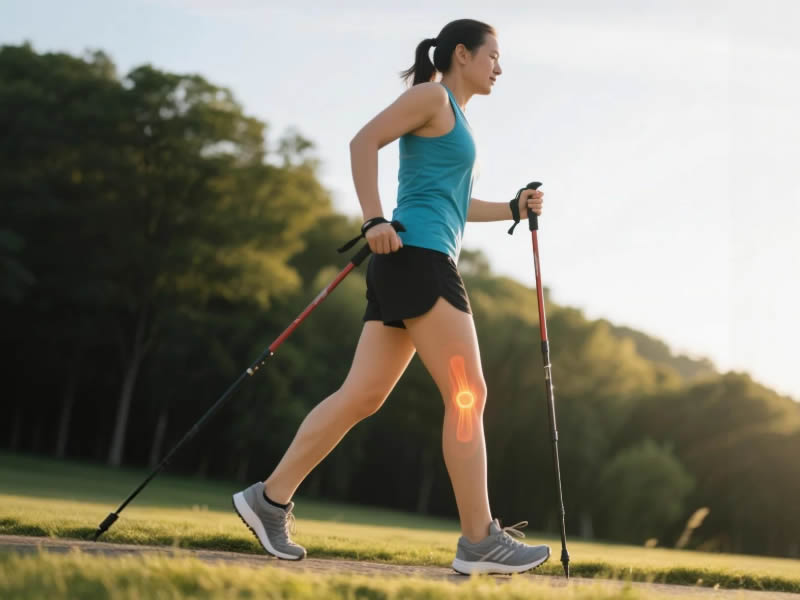
Load Redistribution: This is the most significant benefit. Each step with walking poles transfers 20 to 30 percent of your body weight from your lower body to your arms and shoulders. For a painful hip, this means significantly less force passing through the joint with every stride. Over the course of a mile—which might involve 2,000 steps—this load reduction adds up to tons of cumulative force spared from your hips.
Shock Absorption: Many walking poles feature built-in shock absorption systems—springs or elastomers in the shaft—that dampen the jarring forces of each foot strike. This cushioning effect further reduces the impact transmitted to the hip joint.
Improved Gait Mechanics: When hips hurt, people often walk abnormally—limping, shifting weight excessively, or shortening stride on the painful side. These compensations can cause secondary problems in knees, back, and the opposite hip. Poles support a more natural, symmetrical gait by providing stability and reducing pain enough to walk normally.
Enhanced Stability: Pain can make you walk tentatively, increasing fall risk. Poles provide stability that allows confident, steady walking despite discomfort.
Core Engagement: Proper pole use requires core activation, which helps stabilize the pelvis and reduce rotational stress on the hips.
Muscle Engagement: By involving upper body muscles, poles distribute workload across more muscle groups, reducing fatigue in the muscles that support the hips.
Evidence Supporting Hip Pain Relief
Research on Nordic walking—walking with specially designed poles—has demonstrated significant reductions in hip joint load and pain. Studies show:
- Reduced compressive forces on hip joints during walking
- Decreased pain scores in individuals with hip osteoarthritis
- Improved walking distance and endurance
- Better overall physical function
While standard trekking poles differ slightly from Nordic walking poles, the fundamental biomechanics—and hip-sparing effects—are similar.
Choosing Poles for Hip Pain Relief
Shock Absorption: This is the most important feature for hip protection. Look for poles with built-in shock absorption systems that cushion each step. Adjustable dampening allows you to fine-tune the feel to your preference.
Lightweight Construction: Heavy poles increase fatigue and may actually worsen gait abnormalities. Carbon fiber poles are the lightest option, significantly reducing the effort required to lift and plant each pole.
Adjustable Height: Proper sizing ensures optimal weight transfer. Adjustable poles allow fine-tuning for different terrains—longer for descents, shorter for climbs—and as your condition changes.
Comfortable Grips: When you rely on poles for support, grip comfort matters. Cork or foam handles absorb sweat and provide secure traction without requiring a tight, straining grasp.
Secure Locking Mechanisms: Reliable locks prevent sudden collapse, which could jar the hip unexpectedly. Flick-lock or lever-lock systems are generally more secure than basic twist-locks.
Interchangeable Tips: Rubber feet provide traction on pavement and absorb additional shock, while carbide tips work on trails.
Recommended Poles for Hip Pain
Black Diamond Trail Pro Shock
These poles feature a sophisticated shock absorption system with adjustable dampening, allowing you to fine-tune the cushioning to your comfort level. The foam grips extend below the handle for versatile hand positioning, and the flick-lock adjustments are secure and easy to use. Interchangeable tips allow for rubber feet on pavement. This is an excellent all-around choice for hip pain sufferers.
LEKI Wanderfreund
Designed for therapeutic walking, the LEKI Wanderfreund offers exceptional stability with its unique rolling tip that maintains continuous ground contact. The integrated shock absorption significantly reduces joint impact, and the ergonomic grip promotes proper hand position. The wide base enhances balance, and the overall design prioritizes comfort. Many physical therapists recommend these for joint issues.
Exerstrider Poles
Exerstrider specializes in fitness walking poles with rehabilitation applications. Their poles feature angled grips that encourage upright posture—taking additional pressure off hips—and shock-absorbing tips that reduce impact. The straps are designed to keep hands relaxed while maintaining control.
Cascade Mountain Tech Anti-Shock Poles
For budget-conscious users, these aluminum poles include spring-loaded shock absorbers and comfortable cork grips. They offer good value while providing essential features for hip pain management.
How to Use Poles for Maximum Hip Relief
Proper Sizing: Stand in your walking shoes with the pole tip beside your foot. Your elbow should form a 90-degree angle. For shock-absorbing poles, account for slight compression under load. When descending, lengthen poles slightly; when climbing, shorten them.
Master Basic Technique: The fundamental pattern is opposite pole to opposite foot—right pole forward with left foot. Push down through the pole as you step, consciously transferring weight through your arms. Allow the straps to bear weight so hands can remain relaxed.
Focus on Smooth Transitions: Avoid abrupt movements. Plant poles smoothly and roll through each step, letting the shock absorbers do their work.
Use on All Surfaces: Poles provide benefits on pavement, trails, and everything in between. The shock absorption is most noticeable on hard surfaces.
Listen to Your Body: Some muscle soreness in arms and shoulders is normal as you adapt, but hip pain should decrease. If hip pain worsens, reassess technique or consult your healthcare provider.
The Physical Therapist's Role
A physical therapist can be invaluable in optimizing pole use for hip pain:
- Assess your specific hip condition and gait pattern
- Recommend appropriate pole type and features
- Teach proper sizing and technique
- Design complementary strengthening and stretching exercises
- Monitor progress and adjust recommendations
Additional Strategies for Hip Health
Combine pole use with:
- Strengthening Exercises: Gluteal, core, and hip stabilizer muscles
- Stretching: Gentle hip flexor and hamstring stretches
- Weight Management: Reducing overall load on hips
- Proper Footwear: Supportive shoes with good cushioning
- Activity Modification: Balance activity with rest, avoid high-impact exercises
When Poles May Not Be Enough
Walking poles are supportive tools, not cures. If you experience:
- Persistent pain despite pole use
- Pain that worsens over time
- New or unusual symptoms
- Difficulty walking that limits daily activities
Consult a healthcare provider. You may need imaging, medication, physical therapy, or other interventions.
The Psychological Benefit
Beyond biomechanics, poles offer psychological relief. The fear of hip pain can lead to activity avoidance, which weakens supporting muscles and worsens the condition. Poles provide confidence that encourages consistent, protective walking, breaking this negative cycle.
The Bottom Line
Do walking poles reduce hip pain when walking? Yes—significantly for many people. By redistributing load, absorbing shock, improving gait, and enhancing stability, poles address multiple factors that contribute to hip discomfort. The key lies in selecting poles with appropriate features—particularly shock absorption—and using them with proper technique. Models like the Black Diamond Trail Pro Shock and LEKI Wanderfreund exemplify the features that best serve those with hip pain.
Remember that poles are tools that support your joints while you address underlying issues through strengthening, stretching, and medical care when needed. With the right equipment and consistent use, you can walk farther, feel better, and protect your hips for years to come—one supported step at a time.
Disclaimer: This article provides general information and does not constitute medical advice. Always consult your healthcare provider for persistent hip pain or before starting any new exercise program.




