




How to Travel Internationally with Walking Poles: A Complete Guide for Stress-Free Adventures
International travel with walking poles can be a source of anxiety for many outdoor enthusiasts. Will security confiscate them? How do you pack them safely? What if the airline loses your luggage? These concerns are valid, but with proper planning, transporting your poles across borders is entirely manageable. This comprehensive guide covers everything you need to know about traveling internationally with walking poles, from packing strategies to security regulations and alternative options.
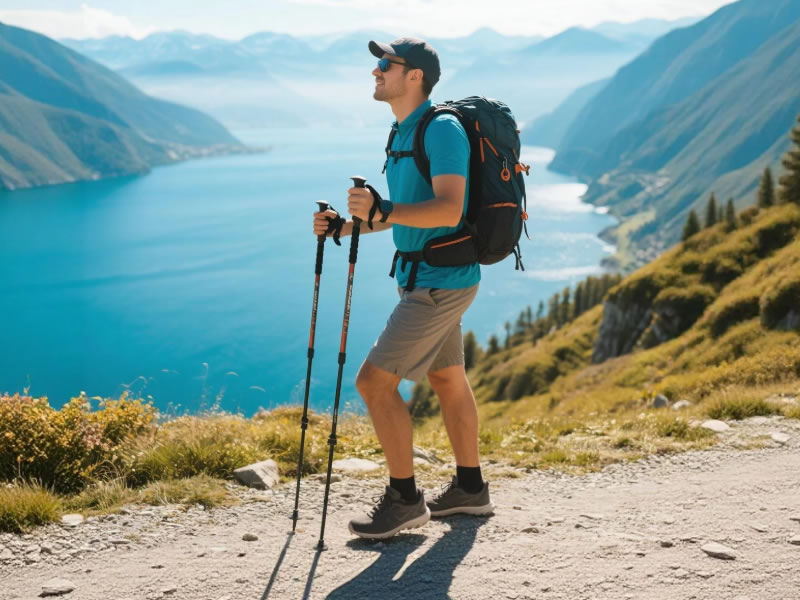
Recommended trekking pole purchase link: https://s.click.aliexpress.com/e/_c4M7OWaN
The Golden Rule: Checked Luggage Only
The most important rule of international travel with walking poles is simple: always pack them in checked luggage. The Transportation Security Administration (TSA) and virtually all international aviation security agencies prohibit walking poles in carry-on baggage. They are classified as potential weapons due to their rigid construction and pointed tips. Attempting to bring them through security will result in confiscation—and an expensive replacement at your destination.
Even collapsible or folding poles are not permitted in the cabin. The only exception is for medically necessary mobility aids with proper documentation, and even then, approval is not guaranteed. For recreational use, always check your poles.
Packing Strategies for Checked Luggage
Use a Protective Case: Dedicated pole cases are the best investment for frequent travelers. They protect both your poles and your other gear from damage. Look for padded cases designed specifically for trekking poles, or use a sturdy tube if you're on a budget.
Wrap in Clothing: If you don't have a case, wrap poles in soft items like jackets, sweaters, or jeans. This cushions them against impacts and prevents metal tips from puncturing your luggage.
Disassemble When Possible: Remove any detachable sections. For multi-section poles, collapse them completely. This reduces stress on locking mechanisms during transit.
Remove and Secure Tips: Take off rubber feet and baskets—they can easily fall off in transit and get lost. Pack them in a small zippered pouch or sealable plastic bag and place them where you'll find them easily upon arrival.
Distribute Weight: If traveling with multiple pairs or heavy gear, distribute poles across suitcases to balance weight and reduce the chance of any single bag being overweight.
Label Your Bag: Ensure your checked luggage has clear identification inside and out. If your bag is delayed, you want it to find its way to you.
Airline Policies and Considerations
Check Specific Airline Rules: While security regulations are consistent across most countries, individual airlines may have additional policies regarding sporting equipment. Some may charge extra fees for oversized or overweight items, even if they're packed in standard luggage.
Weight Limits: International baggage weight limits vary widely. Economy class tickets on many international carriers allow 23kg (50lbs) per bag. Weigh your packed luggage at home to avoid surprises at the airport.
Layover Considerations: If you have multiple flights on different carriers, verify that your baggage will be checked through to your final destination. Some combinations require collecting and re-checking bags, which adds complexity.
Insurance: Consider travel insurance that covers lost or damaged luggage, especially if your poles are expensive. Photograph your packed poles before departure as proof of ownership and condition.
Alternative Strategies to Avoid Checked Luggage Hassles
Ship Ahead: For extended trips or when traveling with minimal luggage, consider shipping poles to your destination. Services like Luggage Forward, Ship Skis, or even standard couriers can deliver poles to your hotel or a local outfitter. This eliminates airport hassles entirely but requires planning and incurs cost.
Rent at Your Destination: Many popular hiking destinations have outfitters that rent quality poles. Research rental options before departure. This saves packing space and eliminates transport concerns, though you may not get your preferred model.
Buy at Your Destination: For longer trips, purchasing poles upon arrival and donating or selling them before departure can be practical. This works best for budget-friendly models and when you have time to shop.
Borrow from Accommodation: Some hostels, lodges, and hotels in hiking areas lend poles to guests. Inquire when booking.
Use Collapsible Poles for Easy Packing: If you're investing in poles specifically for travel, choose models designed for packability. Four-section folding poles like the Black Diamond Distance Carbon Z or LEKI Micro Vario Carbon collapse to under 35cm, making them much easier to fit in luggage.
International Security Variations
While most countries follow similar security protocols, there are nuances to be aware of:
European Union: Strict enforcement of the carry-on ban. Always check poles.
United Kingdom: Same rules apply—poles prohibited in cabin baggage.
Canada: Similar restrictions, with allowances for documented medical devices.
Asia, Australia, New Zealand: Generally follow international guidelines. Check poles.
Developing Countries: Enforcement may be inconsistent, but it's never worth the risk of confiscation. Always check poles.
Medical Device Documentation
If you require walking poles as a medically necessary mobility aid, follow these steps:
- Contact Your Airline in Advance: Inform them of your need and request accommodation.
- Obtain Documentation: Carry a letter from your healthcare provider explaining your condition and the necessity of poles.
- Arrive Early: Allow extra time for security screening.
- Be Prepared for Questions: Politely explain your situation to screeners.
- Have a Backup Plan: Even with documentation, approval is not guaranteed.
Packing Checklist for International Travel with Poles
- Poles collapsed and secured
- Protective case or padding
- Rubber tips and baskets removed and packed separately
- Spare tips and baskets (optional but recommended)
- Repair kit (spare locking mechanism parts, duct tape)
- Documentation (if medically necessary)
- Airline policies verified
- Travel insurance confirmed
Arrival and Reassembly
Upon arrival at your destination:
- Retrieve checked luggage promptly.
- Inspect poles for damage before leaving the airport area.
- Reattach tips and baskets.
- Extend and test locking mechanisms.
- If anything is damaged, document with photos and contact your airline immediately.
What to Do If Poles Are Lost or Damaged
Despite best efforts, luggage issues happen. If your checked poles are lost or damaged:
- File a Report Immediately: Go to the airline's baggage service office before leaving the airport.
- Document Everything: Take photos, get written reports, and keep all receipts.
- Contact Your Insurance: If you have travel insurance, file a claim.
- Arrange Rentals or Purchase: While waiting for resolution, secure temporary poles to avoid disrupting your trip.
The Bottom Line
Traveling internationally with walking poles is entirely feasible with proper planning. The key principles are simple: always pack them in checked luggage, protect them adequately, and understand airline policies before departure. For those who prefer to avoid checked luggage entirely, shipping ahead or renting at your destination are excellent alternatives.
Remember that a little preparation prevents significant headaches. Invest in compact, packable poles if you travel frequently. Allow extra time at the airport. And always have a backup plan. With these strategies, your poles will arrive safely at your destination—ready to support your adventures without ever becoming a source of travel stress.
Disclaimer: This article provides general information based on current regulations. Airline and security policies change frequently and vary by country and carrier. Always verify current rules with your specific airline and the aviation security agency of your departure country before traveling.




