




Best Walking Poles for Kids Aged 8-12: A Complete Guide for Young Adventurers
Introducing children to hiking is one of the greatest gifts we can give them—a lifetime love of nature, physical activity, and outdoor adventure. For kids aged 8 to 12, walking poles can transform the hiking experience, providing stability, reducing fatigue, and making trails more accessible and enjoyable. However, children are not simply small adults. Their poles must be appropriately sized, lightweight enough for their developing muscles, and durable enough to withstand the enthusiastic (and sometimes careless) use that kids naturally bring. This comprehensive guide explores how to choose the best walking poles for children in this age range and recommends top options for your young adventurers.
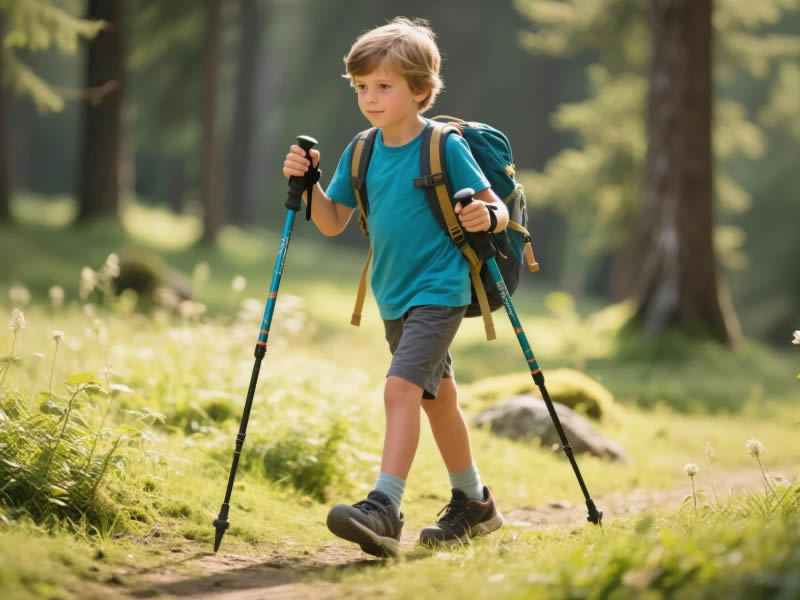
Recommended trekking pole purchase link: https://s.click.aliexpress.com/e/_c4M7OWaN
Why Kids Benefit from Walking Poles
Children aged 8-12 are at a wonderful stage for hiking—they have energy, curiosity, and growing physical capabilities. Walking poles offer specific benefits for this age group:
Improved Balance: Children's proprioception (awareness of body position) is still developing. Poles provide two additional points of ground contact, significantly improving stability on uneven terrain and reducing falls.
Reduced Fatigue: Hiking is physically demanding. Poles transfer some workload from legs to arms, distributing effort and allowing kids to hike longer without exhausting.
Confidence Building: Success on the trail builds self-esteem. Poles help children navigate challenging sections they might otherwise find intimidating.
Proper Movement Patterns: Poles encourage reciprocal arm-leg motion, reinforcing natural, efficient gait patterns that benefit overall coordination.
Engagement: Having a "tool" makes hiking more interesting for kids. Poles give them something to focus on and master, increasing trail engagement.
Safety: On stream crossings, steep sections, or slippery surfaces, poles provide crucial stability that protects young hikers.
Protection for Growing Joints: While children's joints are resilient, reducing impact on knees and ankles during long descents is still beneficial.
Critical Features for Kids' Walking Poles
Proper Size and Adjustability: This is the most important factor. Children grow quickly, and poles that fit this year may be too short next year. Adjustable poles with a wide range allow the poles to grow with your child. Look for poles that adjust down to approximately 70-80cm for smaller 8-year-olds and up to 110-120cm for taller 12-year-olds.
Lightweight Construction: Children have less strength and endurance than adults. Heavy poles will quickly become burdensome. Aluminum poles offer the best balance of durability and weight for kids—they're lighter than steel but more forgiving than carbon fiber (which can snap if abused).
Smaller Grip Size: Adult grips are too large for children's hands, forcing an awkward, tiring grasp. Look for poles with smaller-diameter grips specifically designed for kids. Some manufacturers offer youth-specific models with appropriately sized handles.
Durable Construction: Let's be honest—kids are hard on gear. They drop poles, use them as swords, lean on them heavily, and generally test their limits. Aluminum construction is preferable as it bends rather than snaps under extreme stress. Avoid carbon fiber for most children.
Safe Tips: Carbide tips are standard on adult poles but can be sharp. For kids, consider poles with rubber tips or ensure you have rubber feet installed for general use. Save carbide for when they're older and more experienced.
Comfortable, Non-Slip Grips: Cork is excellent but may be too expensive for rapidly outgrown kids' gear. Foam grips are comfortable, lightweight, and provide good traction even with sweaty hands.
Secure Locking Mechanisms: Kids may not have the strength or dexterity for complicated locks. Look for simple, reliable mechanisms they can operate themselves—flick-locks are generally easier than twist-locks.
Fun Colors: Let's be honest—kids care about aesthetics. Poles in fun colors (blue, green, pink, purple) are more appealing than boring black or silver. Some manufacturers offer youth models in cheerful colors.
Recommended Walking Poles for Ages 8-12
Komperdell Kids Explorer
The Komperdell Kids Explorer poles are specifically designed for young hikers and are widely considered the gold standard in this category. They feature:
- Adjustable length from 70cm to 120cm, accommodating growth from age 6 through early teens
- Lightweight aluminum construction that's durable enough for enthusiastic use
- Smaller grips sized for children's hands with comfortable foam material
- Safety grips with integrated guards to prevent little hands from sliding down onto the basket
- Interchangeable baskets for different terrain
- Fun colors that appeal to kids (blue, pink, green)
These poles are thoughtfully designed with children's needs in mind and will last through several years of growth.
Black Diamond Trail Sport 3 (Short Length)
While not specifically a kids' model, the Black Diamond Trail Sport 3 in shorter lengths works well for older children (10-12). Features include:
- Adjustable length with range suitable for taller kids
- Durable aluminum construction
- Foam grips comfortable for various hand sizes
- Reliable flick-lock mechanisms that kids can operate
- Interchangeable tip system
For children on the taller side of this age range, these poles offer quality construction that can transition to adult use later.
Cascade Mountain Tech Aluminum Trekking Poles
For budget-conscious families, these aluminum poles offer good value. Look for the shortest adjustable range (typically starting around 66cm). Features:
- Affordable price point—important when kids are still growing
- Durable aluminum construction
- Cork grips (some models) that are comfortable
- Flick-lock adjustments
Check specifications carefully, as not all models adjust short enough for smaller children.
REI Co-op Passage Trekking Poles
REI's house brand offers youth-friendly options with:
- Adjustable length suitable for children
- Lightweight aluminum
- Comfortable foam grips
- Secure locking mechanisms
- REI's excellent return policy—valuable for growing kids
Decathlon Forclaz Trek 500 Kids
Decathlon, the European outdoor giant, offers specifically designed kids' poles:
- Adjustable from 70cm to 115cm
- Very lightweight aluminum
- Small-diameter grips
- Safety features including tip protectors
- Budget-friendly price
These are widely available in Europe and online.
How to Size Kids' Poles Correctly
Proper sizing follows the same principle as adults but is even more critical for children:
- Have your child stand in their hiking shoes on a flat surface.
- Hold the pole upside down with the tip on the ground beside their foot.
- Adjust length until their elbow forms a 90-degree angle.
- For descents, poles can be slightly longer; for climbs, slightly shorter.
With adjustable poles, teach your child how to set their own length. This builds independence and ensures they'll use correct sizing on every hike.
Teaching Kids to Use Poles
Children need instruction and practice to use poles effectively:
Start on Easy Terrain: Before attempting challenging trails, let kids practice on flat, open ground. Focus on basic coordination—opposite arm to opposite leg.
Demonstrate Proper Technique: Show them how to plant the pole, push down, and move in rhythm. Make it a game—"pretend you're a mountain goat" or "walk like a caterpillar with four feet."
Emphasize Safety: Teach kids to:
- Keep poles pointed down, never up near faces
- Be aware of others on the trail
- Never use poles as swords or toys
- Collapse poles when not in use
Let Them Experiment: Kids learn by doing. Allow them to find their own rhythm and style within safety boundaries.
Be Patient: Coordination takes time. Celebrate small improvements and keep the experience positive.
Safety Considerations for Kids and Poles
Always Use Rubber Tips on Pavement: Carbide tips are slippery on hard surfaces and can damage floors. Install rubber feet for any hiking that includes paved sections.
Supervise Stream Crossings: Poles are helpful but not foolproof. Always supervise children near water.
Check Locking Mechanisms: Before each hike, ensure poles are securely locked. Kids may not notice if mechanisms are loose.
Teach Proper Storage: Show kids how to collapse and store poles safely to prevent tripping hazards.
Inspect Regularly: Check for damage, sharp edges, or wear that could cause injury.
Age-Appropriate Independence: By age 10-12, many children can manage their own poles with minimal supervision, but always assess individual maturity.
Making Hiking Fun for Kids
Poles are just one part of creating positive hiking experiences:
- Let Them Lead: When safe, allow kids to set the pace and choose the route.
- Play Games: "I Spy," scavenger hunts, or counting specific items.
- Bring Snacks: Regular fuel breaks keep energy and morale high.
- Share Knowledge: Teach them about plants, animals, and geology they encounter.
- Celebrate Achievements: Take photos at viewpoints, create a hiking journal, or award patches for milestones.
- Keep Expectations Realistic: Shorter hikes with frequent breaks beat long, miserable slogs.
When to Introduce Poles
Every child develops differently, but general guidelines:
- Age 6-7: Simple poles can be introduced on easy terrain with close supervision.
- Age 8-10: Most children can use poles effectively with proper instruction.
- Age 10-12: Many are ready for more advanced terrain and can manage their poles independently.
Watch for signs of readiness: interest in hiking, coordination to manage poles, and ability to follow safety instructions.
What Parents Say
"Our 9-year-old was hesitant about hiking until we got her Komperdell Kids Explorers," shares Maria, mother of two. "Now she charges up trails like a pro. The smaller grips make all the difference—adult poles were just too big for her hands."
"We started with cheap adult poles cut down," says Tom, an experienced hiker. "Bad idea. They were too heavy and the grips were wrong. Investing in proper kids' poles was worth every penny—our son uses them constantly and they've held up for three years."
The Bottom Line
For children aged 8-12, walking poles are wonderful tools that enhance hiking experiences, build confidence, and promote lifelong outdoor activity. The key lies in selecting poles with appropriate features—adjustable length to accommodate growth, lightweight aluminum construction, smaller grips sized for little hands, and durable enough for enthusiastic use.
The Komperdell Kids Explorer leads the category with thoughtful design specifically for young hikers, while Black Diamond and REI offer quality options for older or larger children. Budget-conscious families can find capable poles from Cascade Mountain Tech or Decathlon.
Remember that introducing children to hiking is about creating positive experiences, not pushing performance. Let kids set the pace, celebrate their achievements, and keep adventures fun. With properly fitted poles and patient instruction, you'll be nurturing a young hiker who will treasure the outdoors for life—one supported step at a time.
Disclaimer: This article provides general information about gear selection. Always supervise children during outdoor activities and ensure equipment is appropriate for their size, strength, and developmental level.




