




Best Walking Pole Tips for Hard Surfaces Like Concrete? A Complete Guide to Traction and Protection
Walking poles are incredibly versatile tools, but they face a unique challenge when transitioning from soft trails to hard surfaces like concrete, pavement, asphalt, or rock. The sharp carbide tips that bite perfectly into dirt and scree become noisy, slippery, and damaging on hard surfaces. They can scratch finished floors, slide on smooth pavement, and wear down quickly. The solution? Specialized rubber tips designed specifically for hard surfaces. This comprehensive guide explores the best walking pole tips for concrete and similar hard surfaces, helping you choose the right ones for safety, comfort, and durability.
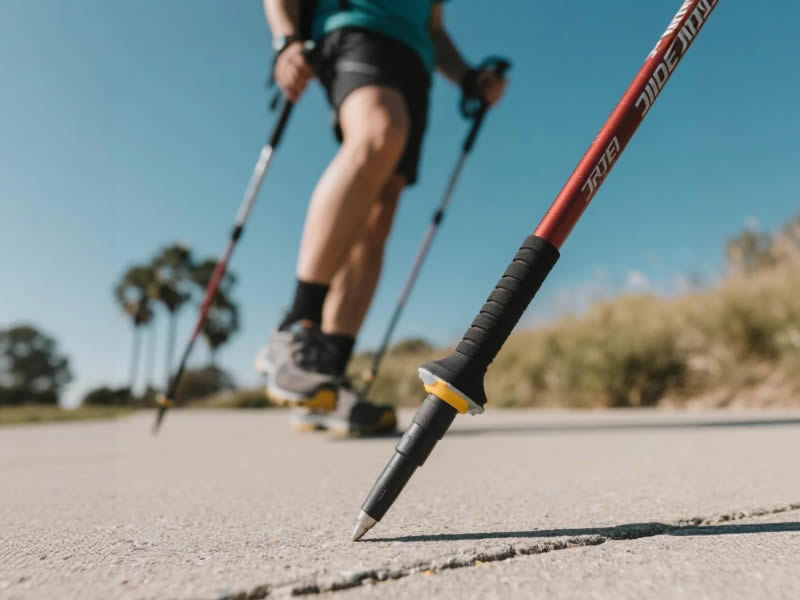
Recommended trekking pole purchase link:https://s.click.aliexpress.com/e/_c4M7OWaN
Why You Need Different Tips for Hard Surfaces
Traction: Carbide tips are designed to dig in. On hard, smooth surfaces, they have minimal contact area and can slip, especially when wet. Rubber tips provide a larger, high-friction contact patch that grips the surface securely.
Noise Reduction: The "click-clack" of metal on concrete is annoying to you and everyone around you. Rubber tips eliminate this noise, making for a quieter, more pleasant walk.
Surface Protection: Carbide tips can scratch and score concrete, tile, wood decks, and other finished surfaces. Rubber tips are non-marking and protect the surfaces you walk on.
Tip Longevity: Using carbide tips on hard surfaces wears them down rapidly. Rubber tips preserve your expensive carbide tips for when you really need them—on the trail.
Comfort: Rubber provides a slight cushioning effect, reducing the jarring impact transmitted through the pole on hard surfaces.
Types of Rubber Tips
Standard Round Tips (Paws)
The most common type, these simple round rubber caps slip over your existing carbide tip.
- Shape: Domed or flat-bottomed round
- Attachment: Friction-fit, simply push on
- Pros: Simple, cheap, widely available
- Cons: Can wear quickly, may spin on tip
- Best for: General hard-surface walking, occasional use
Anatomically Shaped Tips
Designed with specific shapes for better performance:
- Flared Base: Wider footprint for increased stability
- Textured Tread: Patterns that improve grip on wet surfaces
- Angled Contact: Some are shaped to maintain full contact even when pole is angled
- Pros: Superior traction, more durable
- Cons: More expensive, may fit specific poles only
- Best for: Frequent hard-surface walking, Nordic walking, stability seekers
Rolling Tips (Nordic Walking Tips)
Specialized tips that pivot or roll to maintain constant contact:
- Design: Ball-and-socket joint allows tip to swivel
- Function: Stays flat on ground regardless of pole angle
- Pros: Exceptional stability, smooth motion, ideal for Nordic walking technique
- Cons: Expensive, heavier, more complex
- Best for: Dedicated Nordic walkers, those with balance concerns
Replacement Feet for Specific Brands
Many manufacturers offer tips designed for their specific pole systems:
- LEKI Flex Tip: Interchangeable system with various rubber feet
- Black Diamond Replacement Tips: Friction-fit rubber paws
- Komperdell Vario Tips: Screw-in rubber options
- Pros: Perfect fit, guaranteed compatibility
- Cons: Brand-specific, may cost more
Universal vs. Brand-Specific
Universal Tips:
- Fit most poles with standard tip diameter (typically 11-12mm)
- Widely available at outdoor retailers and online
- Affordable, easy to replace
- May not fit as snugly as brand-specific options
Brand-Specific Tips:
- Designed for exact pole model
- Often more secure fit
- May offer additional features (rolling tips, special compounds)
- Generally more expensive
Top Rubber Tip Recommendations
Best Overall: Black Diamond Rubber Tech Tips
Black Diamond's standard rubber paws are excellent all-around performers:
- Material: Durable, non-marking rubber compound
- Fit: Friction-fit, fits most standard tips
- Durability: Good lifespan on concrete
- Traction: Textured base for grip on wet surfaces
- Price: Moderate
Pros: Reliable, widely available, good grip
Cons: Can wear faster on very abrasive surfaces
Best for: Most hikers, general hard-surface use
Best for Nordic Walking: LEKI Flex Tip Rubber Feet
LEKI's system offers superior performance for Nordic walking technique:
- Design: Rolling tip maintains ground contact at any angle
- Material: Durable rubber compound
- Compatibility: LEKI Flex Tip system only
- Traction: Excellent, even on wet pavement
- Durability: Good
Pros: Superior stability, smooth rolling action, professional quality
Cons: LEKI-specific, premium pricing
Best for: Dedicated Nordic walkers, LEKI pole users
Best Budget: Cascade Mountain Tech Rubber Tips
Affordable and effective for budget-conscious hikers:
- Material: Standard rubber
- Fit: Universal, fits most tips
- Durability: Adequate for occasional use
- Traction: Basic textured pattern
- Price: Very affordable
Pros: Cheap, gets the job done, widely available
Cons: Less durable than premium options, basic grip
Best for: Occasional use, budget shoppers, backup spares
Best for Durability: Leki/Black Diamond Hard-Surface Tips
Some manufacturers offer tips with enhanced durability for frequent pavement walking:
- Material: Harder-wearing rubber compound
- Design: Often thicker, more substantial
- Lifespan: Significantly longer than standard tips
- Traction: Excellent, often with aggressive tread patterns
Pros: Last much longer, better value for frequent users
Cons: Higher initial cost
Best for: Daily walkers, urban hikers, those on pavement frequently
Best Rolling Tip Alternative: Exel Nordix Rolling Tips
Exel, a Nordic walking specialist, offers excellent rolling tips:
- Design: Swiveling ball joint maintains flat contact
- Material: Durable rubber
- Compatibility: Universal with adapter
- Traction: Excellent
- Pros: Professional Nordic walking performance, universal fit possible
- Cons: More expensive, may require adapter
How to Choose the Right Tips
Consider Your Primary Surface:
| Surface | Recommended Tip |
|---|---|
| Smooth concrete | Standard rubber paw |
| Rough asphalt | Durable compound, textured tread |
| Wet pavement | Tips with aggressive tread patterns |
| Mixed surfaces (trail/pavement) | Quick-change system or easy on/off tips |
| Nordic walking technique | Rolling tips |
Consider Frequency of Use:
- Occasional: Standard rubber tips are fine
- Daily/Frequent: Invest in durable, higher-quality tips
- Mixed Use: Consider tips that are easy to remove/attach
Check Compatibility:
- Measure your tip diameter (most are 11-12mm)
- Note if your poles have a specific attachment system (LEKI Flex, Komperdell Vario, etc.)
- Check if tips are universal or brand-specific
Installation and Maintenance
How to Install Rubber Tips:
- Clean Tip: Remove any dirt from your carbide tip.
- Align: Position rubber tip squarely over carbide.
- Push Firmly: Use a twisting motion while pushing down. They should seat fully.
- Test: Give a gentle tug to ensure they're secure.
Removal Tips:
- Twist while pulling
- Use pliers if stuck (protect rubber with cloth)
- Warm slightly with hands or hair dryer if cold and stiff
When to Replace:
- Tread worn smooth
- Tip becomes loose (won't stay on)
- Rubber cracked or torn
- Visible wear affecting traction
How to Extend Tip Life:
- Remove on soft trails; use only on hard surfaces
- Rotate tips periodically for even wear
- Store poles with tips off to prevent deformation
- Clean after use on gritty surfaces
Carrying and Storage Tips
Carry Spares: Rubber tips are small and light. Carry a spare set in your pack—they wear faster than you think and can fail mid-walk.
Quick Access: Keep tips in an easy-to-reach pocket for transitions between trail and pavement.
Remove for Storage: Take tips off when storing poles to prevent rubber from taking a "set" or deforming.
Travel Tip: When flying, remove tips and pack separately to prevent loss.
What Hikers Say
"I walk my dog daily on paved paths," shares Mike, an urban hiker. "Rubber tips are essential. They're quieter, more stable, and save my carbide tips for weekend trail hikes. I buy the durable compound tips now—they last months instead of weeks."
"For my Nordic walking classes, rolling tips are non-negotiable," says Jennifer, an instructor. "The smooth rolling action protects joints and makes the technique work. LEKI's system is expensive but worth every penny."
The Bottom Line
Rubber tips are not an accessory—they're essential equipment for anyone who walks on hard surfaces with poles. They provide crucial traction, reduce noise, protect surfaces, and extend the life of your primary carbide tips.
For most hikers, standard rubber paws from Black Diamond or universal brands offer the right balance of performance and value. For frequent pavement walkers, investing in durable compound tips pays off in extended lifespan. Dedicated Nordic walkers should consider rolling tips for optimal technique and joint protection.
Remember that rubber tips are consumables. They wear out and need replacement. Carry spares, check them regularly, and replace when worn. With the right tips properly maintained, you'll enjoy safer, quieter, more comfortable walking on any surface.
Disclaimer: This article provides general information about gear selection. Tip compatibility varies by pole model; always verify fit before purchasing. Replace worn tips promptly for safety.




