




Do Walking Poles Increase Confidence on Trails? The Psychology and Practicality of Trekking with Support
For many hikers, the decision to use walking poles goes beyond physical support—it's deeply connected to how they feel on the trail. Confidence, that intangible quality that separates hesitant steps from assured strides, can be dramatically influenced by the simple presence of poles in your hands. This comprehensive guide explores the psychological and practical ways walking poles boost trail confidence, transforming anxious beginners into assured adventurers and helping experienced hikers tackle terrain they might otherwise avoid.
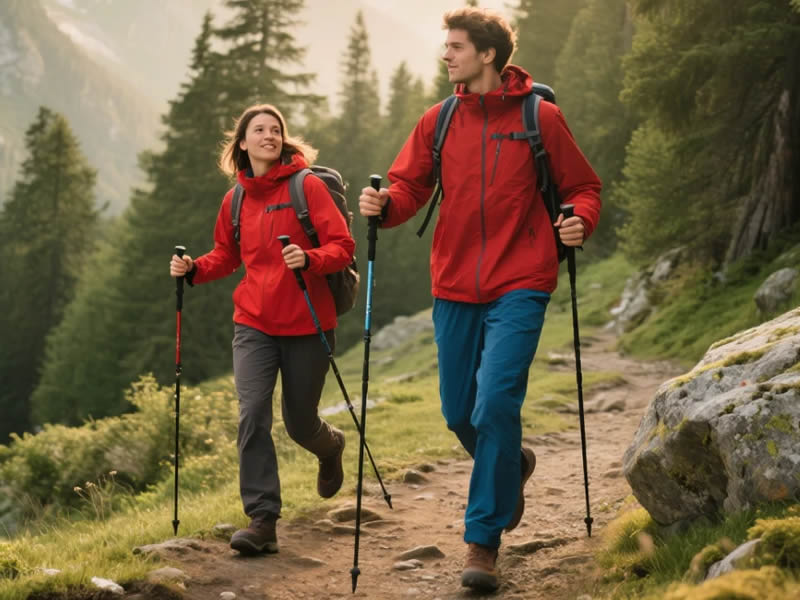
Recommended trekking pole purchase link:https://s.click.aliexpress.com/e/_c4M7OWaN
The Short Answer
Yes, walking poles significantly increase confidence on trails for the vast majority of users. They provide physical stability, reduce fear of falling, offer support in challenging conditions, and create a psychological safety net that encourages hikers to push beyond their comfort zones. The effect is particularly pronounced for beginners, older adults, those with balance concerns, and anyone facing intimidating terrain.
The Psychology of Confidence on Trails
Confidence while hiking isn't just about skill—it's about perceived safety and control. When you feel in control, you move more fluidly, make better decisions, and enjoy the experience more. When you feel out of control, anxiety increases, movements become jerky, and the risk of mistakes rises.
Walking poles address this psychological equation in several ways:
The Safety Net Effect: Knowing you have additional points of contact with the ground creates a subconscious safety net. Even if you never need to rely heavily on your poles, their presence reduces the "what if" anxiety that can plague hikers on exposed or technical terrain.
Perceived Stability: Humans naturally feel more stable with a wider base of support. Two poles create four points of ground contact, which our brains interpret as significantly more secure than two feet alone.
Reduced Fear of Falling: Fear of falling is one of the biggest confidence killers on trails. Poles dramatically reduce this fear, allowing hikers to focus on enjoying the experience rather than worrying about the next step.
Increased Willingness to Challenge Yourself: With poles, hikers often attempt terrain they'd otherwise avoid—steeper descents, rockier paths, more exposed sections. This expands possibilities and builds competence over time.
The Confidence-Boosting Mechanisms
1. Stability on Uneven Terrain
The most immediate confidence boost comes from improved stability. On trails filled with roots, rocks, and irregular surfaces, poles provide:
- Instant Balance Correction: When a foot slips or lands awkwardly, poles provide immediate counterbalance.
- Probing Capability: Poles let you test questionable surfaces before committing your weight.
- Three-Point Contact: On tricky sections, you can maintain three points of contact (two feet and one pole, or two poles and one foot) for maximum stability.
2. Stream Crossing Assurance
Water crossings are among the most intimidating trail features for many hikers. Poles transform this experience:
- Current Testing: Poles help gauge water depth and current strength.
- Stability on Slippery Rocks: Additional points of contact make slick rocks manageable.
- Psychological Support: Knowing you have support reduces the panic that can lead to falls.
3. Descent Confidence
Downhill sections, especially steep or loose ones, challenge even experienced hikers. Poles provide:
- Braking Capability: Controlled descent with poles acting as brakes.
- Knee Confidence: Reduced joint impact means less pain, which translates to more confidence.
- Recovery Options: If you slip, poles can help regain balance before a fall occurs.
4. Snow and Ice Navigation
Winter hiking or early season snowfields demand extra confidence:
- Tip Purchase: Carbide tips bite into frozen surfaces.
- Self-Arrest Potential: In a slide, poles can assist in stopping.
- Route Finding: Probing for hidden obstacles or stable snow bridges.
5. Night or Low-Light Hiking
When visibility decreases, confidence often plummets. Poles help by:
- Ground Sensing: Feeling the terrain through poles when you can't see it clearly.
- Audible Feedback: The sound of tip striking ground provides information about surface changes.
- Balance Support: Compensating for reduced visual cues.
Who Benefits Most from the Confidence Boost
Beginning Hikers:
New hitters often feel overwhelmed by unfamiliar terrain. Poles provide:
- Immediate stability without requiring refined balance skills
- Something to focus on (pole placement) rather than fear
- Quick competence boost that encourages continued hiking
Older Adults:
Age-related balance changes and fear of falling can limit activity. Poles offer:
- Compensation for natural balance decline
- Confidence to continue hiking well into later years
- Reduced joint impact that might otherwise cause pain-related hesitation
Those with Balance Concerns:
Individuals with inner ear issues, previous injuries, or neurological conditions find poles transformative:
- External stability when internal systems are unreliable
- Permission to continue hiking despite challenges
- Reduced anxiety about unexpected terrain
Hikers Recovering from Injury:
Returning to trails after injury requires rebuilding confidence:
- Gradual weight transfer as healing progresses
- Psychological reassurance during the vulnerable recovery phase
- Ability to attempt trails sooner with support
Anyone Facing Intimidating Terrain:
Exposed ridges, steep scree fields, or technical sections:
- Poles provide the margin of safety that makes the attempt feel reasonable
- The knowledge that you have support enables focus on technique rather than fear
The Research: What Studies Show
Research on walking poles consistently demonstrates confidence-related benefits:
- Fall Reduction: Studies show significant reduction in falls among pole users, which directly correlates with increased confidence.
- Increased Participation: Older adults report higher willingness to hike when using poles.
- Perceived Exertion: Hikers report lower perceived effort with poles, making challenges feel more manageable.
- Balance Confidence: Standardized balance confidence scales show improvement with pole use.
Real Hiker Experiences
"When I started hiking in my 60s, I was terrified of falling," shares Margaret, a grandmother who now hikes regularly. "My daughter gave me poles, and the difference was immediate. I'm not afraid anymore. I've done trails I never thought possible."
"I tore my ACL two years ago," says Mike, a recovery hiker. "Coming back to the trails was scary. Poles gave me the confidence to trust my knee again. I still use them, even though I'm fully healed."
"My son has mild cerebral palsy and always struggled with balance on trails," reports Jennifer. "His physical therapist recommended poles. Now he keeps up with his friends and feels like a 'real hiker.' The confidence boost has been amazing."
Choosing Poles for Maximum Confidence
To maximize the confidence-boosting effect, choose poles with:
Secure Locking Mechanisms: Flick-locks or reliable twist-locks that won't slip unexpectedly.
Comfortable Grips: Cork or foam that remains secure even with sweaty hands.
Appropriate Length: Properly sized poles (elbow at 90 degrees) for optimal leverage.
Shock Absorption (Optional): For those with joint concerns, reduces impact-related hesitation.
Rubber Tips for Hard Surfaces: Prevents slipping on slick rock or pavement.
The Confidence Feedback Loop
Perhaps most importantly, poles create a positive feedback loop:
- Initial Confidence: Poles provide immediate stability.
- Successful Experiences: You tackle terrain successfully.
- Skill Development: Success builds competence.
- Increased Confidence: Competence breeds more confidence.
- Greater Challenges: You attempt more ambitious hikes.
- Repeat: The cycle continues.
When Poles Might Not Boost Confidence
For some individuals, poles can temporarily decrease confidence:
- Unfamiliarity: Initial awkwardness before technique develops
- Improper Fit: Poles that are too long or short create instability
- Mechanical Issues: Unreliable locks that slip undermine trust
- Over-Reliance: Becoming dependent on poles when they're not needed
These issues typically resolve with proper sizing, quality equipment, and practice.
Tips for Building Confidence with Poles
Practice on Easy Terrain: Before tackling challenging trails, practice on flat, forgiving ground.
Learn Proper Technique: The "opposite arm, opposite leg" motion maximizes stability.
Trust Your Equipment: Quality poles from reputable brands are designed to support you.
Start Gradually: Use poles on familiar trails first, then progress to new challenges.
Listen to Your Body: Confidence grows when you respect your limits while gently expanding them.
The Bottom Line
Do walking poles increase confidence on trails? For the vast majority of hikers, the answer is an emphatic yes. They provide physical stability that translates directly to psychological reassurance, enabling hikers of all ages and abilities to tackle terrain they might otherwise avoid. From beginning hitters taking their first steps to experienced trekkers navigating exposed ridges, poles offer that extra margin of safety that transforms anxiety into assurance.
The confidence boost extends beyond the trail itself. Hikers who use poles often report greater willingness to explore new areas, attempt longer distances, and continue hiking well into later years. They're not just tools—they're enablers of adventure, supporters of exploration, and partners in building the self-assurance that makes every hike more enjoyable.
Whether you're a nervous beginner, a recovering injury patient, or simply someone who wants to hike with greater peace of mind, poles can transform your trail experience. One confident step at a time, they'll help you discover what you're capable of.
Disclaimer: This article provides general information about the psychological benefits of walking poles. Individual experiences vary. Always choose equipment appropriate for your skill level and consult healthcare providers for specific balance or mobility concerns.




