




Best Waterproof Walking Poles for Rainy Climates? A Complete Guide to Staying Dry and Stable
For hikers in rainy climates—from the Pacific Northwest to the United Kingdom, from coastal trails to mountain regions where precipitation is a daily companion—choosing the right walking poles is about more than comfort. It's about safety, reliability, and equipment that won't fail when you need it most. Rain introduces unique challenges: slippery grips, corroded mechanisms, compromised locks, and reduced traction. This comprehensive guide explores what makes walking poles truly suitable for wet conditions and recommends the best options for keeping you stable through the wettest hikes.
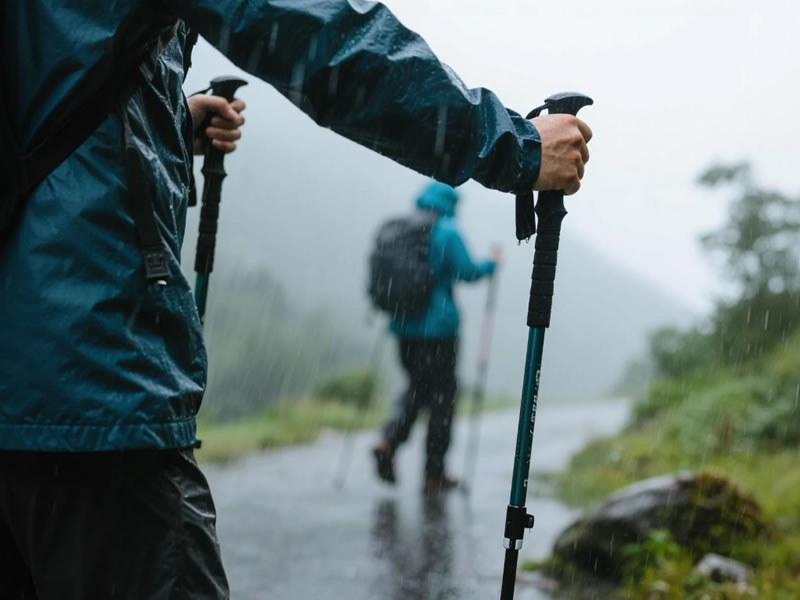
Recommended trekking pole purchase link:https://s.click.aliexpress.com/e/_c4M7OWaN
The Short Answer
The best walking poles for rainy climates feature sealed or corrosion-resistant locking mechanisms, grippy materials that perform when wet (cork or textured foam), anodized aluminum shafts that resist rust, and reliable flick-locks that won't slip in damp conditions. The Black Diamond Alpine Cork leads the category with proven performance in sustained wet conditions, while Leki's Makalu series offers excellent sealed mechanisms. Budget-conscious hikers can find capable options from Cascade Mountain Tech, though they may require more maintenance.
Why Rain Matters for Walking Poles
Wet conditions affect poles in several critical ways:
Grip Performance: Some grip materials become dangerously slippery when wet. Rubber, in particular, loses traction, forcing you to grip tighter and increasing hand fatigue.
Locking Mechanism Reliability: Moisture can infiltrate twist-locks and flick-locks, causing them to slip or seize. In heavy rain, compromised locks can lead to sudden pole collapse.
Corrosion: Over time, moisture exposure can corrode aluminum, rust steel components, and degrade internal mechanisms.
Tip Traction: On wet rock, roots, and mud, standard carbide tips can lose purchase, increasing fall risk.
Basket Function: Mud and wet vegetation can clog baskets or cause them to fail.
Critical Features for Rainy Climates
Grip Material: Cork or Textured Foam
Your primary connection to the poles must remain secure in the wet.
Cork Grips are ideal for rainy conditions:
- Maintain traction even when saturated
- Natural material doesn't become slippery
- Absorb moisture without becoming slimy
- Warm to touch in cold rain
Textured Foam Grips are a good alternative:
- Many have patterns that channel water away
- Provide cushioning in addition to grip
- Dry relatively quickly
Avoid smooth rubber in rainy climates—it becomes dangerously slick.
Locking Mechanisms: Flick-Locks Preferred
Water infiltration is the enemy of reliable locks:
Flick-Locks (Lever-Locks):
- Generally more resistant to water infiltration
- Easier to inspect and clean if moisture gets in
- Can be adjusted if they loosen
- Field-serviceable with basic tools
Twist-Locks:
- More vulnerable to water infiltration
- Internal mechanisms can corrode
- Harder to dry and maintain
- More likely to fail catastrophically in wet conditions
Shaft Material: Anodized Aluminum
Protection from corrosion starts with the shaft:
Anodized Aluminum: The anodizing process creates a hard, corrosion-resistant surface. Quality poles from reputable brands have durable anodized finishes that withstand years of wet use.
Carbon Fiber: Naturally corrosion-proof but can be damaged by impacts. Fine in rain but requires care.
Avoid painted aluminum where the finish can chip, exposing bare metal to corrosion.
Sealed Mechanisms
Look for poles where the manufacturer has paid attention to weather sealing:
- Rubber boots at joints
- Sealed lock mechanisms
- Corrosion-resistant hardware (stainless steel)
Interchangeable Tips with Rubber Options
For wet rock and slippery surfaces, rubber tips provide superior traction:
- Soft rubber conforms to rock texture
- Provides more surface contact than carbide
- Essential for wet pavement and smooth rock
- Easily swapped when conditions change
Recommended Poles for Rainy Climates
Best Overall: Black Diamond Alpine Cork
The Alpine Cork poles have proven themselves in the rainiest environments:
- Grips: Cork—excellent wet performance, comfortable, natural
- Locks: FlickLock—reliable, field-serviceable, resist water infiltration
- Shaft: Anodized aluminum—corrosion-resistant, durable
- Tips: Carbide standard, accepts rubber tips for wet rock
- Baskets: Interchangeable for different conditions
- Proven Track Record: Used extensively in Pacific Northwest, UK, and other wet regions
Why They Work: The cork grips remain secure even in downpours. The flick-locks are easy to maintain and less prone to water-related failure than twist-locks. The anodized finish holds up to years of wet use.
Best for Sealed Mechanisms: Leki Makalu Series
Leki's engineering excellence shines in wet conditions:
- Grips: Cork or Aergon (depending on model)—both perform well wet
- Locks: Speed Lock system—well-sealed, reliable
- Shaft: Aluminum with durable finish
- Weather Protection: Rubber boots at joints, sealed mechanisms
- Tips: Carbide, rubber tip compatible
Why They Work: Leki's attention to sealing mechanisms means less water infiltration. The Speed Locks are among the most reliable in the industry.
Best Budget: Cascade Mountain Tech Aluminum
For hikers on a budget in rainy climates:
- Grips: Cork (on many models)—surprisingly good wet performance
- Locks: Flick-lock style—functional, though less refined
- Shaft: Aluminum with decent finish
- Value: Affordable enough to replace if corrosion becomes an issue
Pros: Cork grips at budget prices, functional locks, good value
Cons: Less corrosion resistance than premium options, may need more maintenance
Best for Nordic Walking in Rain: Leki Wanderfreund
For fitness walkers who don't let rain stop them:
- Grips: Ergonomic, comfortable
- Tips: Rolling tips with rubber option
- Shock Absorption: Smooths steps on wet pavement
- Stability: Excellent on slick surfaces
Why They Work: The rolling tips maintain contact even on wet, angled surfaces, providing exceptional stability.
Essential Accessories for Rainy Climates
Rubber Tips
Non-negotiable for wet rock and pavement. Buy several pairs—they wear faster on wet surfaces and are easily lost.
Carry multiple pairs in your pack. When one wears, replace immediately.
Tip Holders
Small pouches that attach to your pack or belt keep spare tips accessible and prevent loss.
Corrosion-Inhibiting Spray
Light application to locks and metal components can extend life in consistently wet environments.
Drying Sticks
After wet hikes, extend poles fully and allow to dry before collapsing. This prevents moisture from being trapped inside sections.
Maintenance for Wet-Climate Poles
After Every Wet Hike:
- Rinse with Fresh Water: Remove mud, grit, and salt (if coastal)
- Dry Thoroughly: Extend all sections, wipe down, allow air to circulate
- Check Locks: Ensure no moisture trapped in mechanisms
- Inspect Tips: Look for wear; replace if needed
Weekly (if used frequently in wet):
- Clean Locks: Use soft brush to remove any grit
- Light Lubrication: Apply very small amount of silicone lubricant to moving parts (never oil, which attracts grit)
- Check for Corrosion: Inspect shafts, especially at joints
Seasonal:
- Deep Clean: Disassemble if possible, clean all components
- Inspect Hardware: Check screws, rivets, and attachments
- Replace Worn Parts: Tips, baskets, any compromised components
Regional Considerations
Pacific Northwest (USA):
Constant drizzle, occasional downpours, lush vegetation. Cork grips and reliable locks essential. Rubber tips for wet rock on coastal trails.
United Kingdom/Ireland:
Similar to PNW, with added wind. Robust poles that can handle mud and rain. Large baskets helpful for boggy terrain.
Coastal Areas:
Salt spray adds corrosion risk. Rinse poles with fresh water after every coastal hike. Stainless steel hardware preferred.
Tropical Rainforests:
Intense rain, high humidity, mud. Corrosion resistance paramount. Consider poles you're willing to replace more frequently.
Techniques for Wet-Weather Hiking
Adjust Grip Slightly Looser: Allow poles to do the work; death grip increases fatigue without improving stability.
Plant with Care: On wet rock, place tips deliberately, testing for purchase before committing weight.
Shorten on Descents: Wet downhills are treacherous. Properly adjusted poles provide crucial stability.
Use Both Poles on Stream Crossings: Wet rocks are slick; two poles provide four points of contact.
Check Locks Frequently: Rain can cause slippage. Periodically ensure poles are secure.
What Experienced Wet-Climate Hikers Say
"I hike year-round in the Scottish Highlands," shares Malcolm, a veteran hillwalker. "Rain is just part of the experience. My Leki poles with cork grips have never let me down. The cork stays grippy even in a downpour, and the locks have never failed. Worth every penny."
"In the Pacific Northwest, you learn to embrace rain," says Sarah, a frequent Cascades hiker. "My Black Diamond Alpine Corms have been through years of wet hikes. The flick-locks occasionally need tightening, but they're easy to maintain. The cork grips are still comfortable."
The Bottom Line
For rainy climates, the best walking poles are those that maintain performance when wet. Cork grips provide reliable traction that rubber cannot match. Flick-lock mechanisms offer better resistance to water infiltration and are easier to maintain than twist-locks. Anodized aluminum shafts resist corrosion that would compromise lesser poles.
The Black Diamond Alpine Cork stands out as the top choice for consistently wet environments, combining proven wet-weather performance with comfortable cork grips and reliable flick-locks. The Leki Makalu series offers exceptional sealed mechanisms for those wanting maximum weather protection. Budget-conscious hikers can find capable options from Cascade Mountain Tech, accepting that they may require more frequent replacement.
Remember that accessories matter as much as the poles themselves. Quality rubber tips, regular maintenance, and proper drying after wet hikes will extend the life of any poles and keep you safe on slick trails. With the right equipment, rain becomes just another element of the adventure—not a reason to stay home.
Disclaimer: This article provides general information about gear selection for wet conditions. Individual experiences vary based on specific conditions and maintenance practices. Always prioritize safety and replace worn components promptly.




