




Best Saltwater-Resistant Walking Poles for Coastal Hikes? A Complete Guide to Beating Corrosion
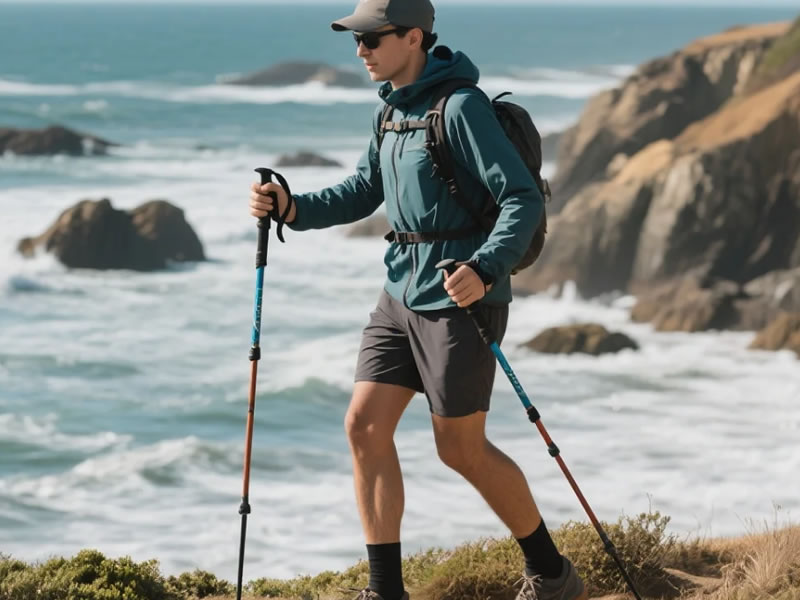
Coastal hiking offers some of the most spectacular scenery on Earth—dramatic cliffs, crashing waves, sea stacks, and endless ocean views. But this beautiful environment is surprisingly harsh on equipment. Salt spray, sea air, and frequent wet conditions create a corrosive cocktail that can destroy ordinary walking poles in months. Choosing poles designed to resist saltwater isn't just about longevity—it's about safety, reliability, and ensuring your gear doesn't fail when you're miles from the trailhead. This comprehensive guide explores the best saltwater-resistant walking poles for coastal adventures and how to keep them functioning for years.
Recommended trekking pole purchase link:https://s.click.aliexpress.com/e/_c4M7OWaN
The Short Answer
The best saltwater-resistant walking poles feature anodized aluminum shafts (not painted), stainless steel hardware, sealed locking mechanisms, and titanium or high-quality carbide tips. The Black Diamond Alpine Cork leads the category with proven coastal durability, while Leki's Makalu series offers excellent corrosion resistance. Regardless of choice, rinsing with fresh water after every coastal hike is non-negotiable for long-term performance.
Why Saltwater Is So Destructive
Saltwater corrosion is not like simple rust. It's an electrochemical process that:
- Attacks Aluminum: Creates pitting that weakens the shaft
- Corrodes Steel Hardware: Locking screws, rivets, and springs fail
- Seizes Locking Mechanisms: Salt crystals prevent smooth operation
- Degrades Grips: Some materials break down faster in salt air
- Destroys Tips: Carbide can delaminate; steel tips rust rapidly
A single coastal hike without rinsing can start corrosion. A season of neglect can render poles unusable.
Critical Features for Saltwater Resistance
Shaft Material: Anodized Aluminum Preferred
Not all aluminum is equal when it comes to salt resistance:
- Anodized Aluminum: The anodizing process creates a hard, inert surface that resists corrosion. Quality anodizing is thick enough to withstand abrasion while protecting the underlying metal.
- Painted Aluminum: Paint chips and scratches, exposing bare aluminum to salt. Once compromised, corrosion spreads rapidly under the paint.
- Carbon Fiber: Naturally corrosion-proof but can be damaged by impacts. A good alternative, though tips and hardware still vulnerable.
Look for: Quality anodized finishes from reputable manufacturers. Avoid cheap painted poles for coastal use.
Hardware: Stainless Steel Essential
Every screw, rivet, and spring should be stainless steel:
- Flick-Lock Components: Check that adjustment screws and pivot points are stainless
- Basket Attachments: Often overlooked—ensure these are corrosion-resistant
- Tip Hardware: If tips are replaceable, the retaining mechanism should be stainless
Sealed Locking Mechanisms
Salt crystals infiltrate locks, causing jamming and failure:
- Flick-Locks: Generally easier to clean and maintain than twist-locks
- Rubber Boots: Some poles have protective covers over lock mechanisms
- Sealed Designs: Look for locks designed to minimize ingress points
Tips: Titanium or Quality Carbide
- Titanium Tips: Excellent corrosion resistance, though expensive
- Carbide Tips: Quality carbide resists corrosion, but the metal ferrule can rust
- Replaceable Tips: Essential—you'll wear them out faster on coastal rock
Grips: Materials That Withstand Salt Air
- Cork: Naturally resistant, comfortable, and holds up well in coastal conditions
- Foam: Durable and corrosion-proof, though can degrade in UV over years
- Rubber: Generally fine but can become slippery when wet
Recommended Saltwater-Resistant Poles
Best Overall: Black Diamond Alpine Cork
The Alpine Cork poles have proven themselves on countless coastal trails:
- Shaft: Thick anodized aluminum—excellent corrosion resistance
- Hardware: Quality stainless steel components
- Locks: FlickLock—reliable, field-serviceable, easy to clean after salt exposure
- Grips: Cork—comfortable, natural, holds up well in salt air
- Tips: Carbide standard, replaceable
- Proven Track Record: Used extensively on Pacific coastal trails, UK coastal paths, and Mediterranean shores
Why They Work: The combination of quality anodizing, stainless hardware, and simple flick-locks that can be cleaned makes these the top choice for coastal hikers. Rinse after use, and they'll last for years.
Best for Sealed Mechanisms: Leki Makalu Series
Leki's engineering excellence provides excellent salt protection:
- Shaft: Durable aluminum with quality finish
- Locks: Speed Lock system—well-sealed, less prone to salt infiltration
- Hardware: Stainless steel throughout
- Grips: Cork or Aergon options
- Tips: Carbide, replaceable
- Weather Protection: Rubber boots at joints
Why They Work: The sealed lock mechanisms resist salt better than many competitors. Less frequent cleaning required, though still recommended after each coastal hike.
Best Value: Cascade Mountain Tech Aluminum
For budget-conscious coastal hikers:
- Shaft: Aluminum with decent anodizing
- Locks: Flick-lock style—functional, require regular cleaning
- Grips: Cork on many models
- Hardware: Mixed quality; check stainless components
- Price: Affordable enough to replace if corrosion becomes severe
Pros: Cork grips at budget prices, functional locks
Cons: Less corrosion resistance than premium options, more maintenance required
Best for Extreme Coastal Conditions: Komperdell Titanium Series
For those willing to invest in maximum corrosion resistance:
- Shaft: Aluminum with premium finish
- Tips: Titanium—virtually immune to salt corrosion
- Locks: Powerlock system—reliable
- Grips: Cork options
- Durability: Exceptional in harsh environments
Why They Work: Titanium tips eliminate the most common corrosion point. Combined with quality construction, these poles can withstand years of salt exposure with proper care.
Essential Maintenance for Coastal Poles
After Every Coastal Hike:
- Rinse Thoroughly with Fresh Water: Use a hose or shower to remove all salt residue. Pay special attention to locks, joints, and baskets.
- Extend Sections: Let poles dry completely before collapsing. Salt water trapped inside accelerates corrosion.
- Wipe Down: Use a cloth to dry all surfaces.
- Inspect: Look for signs of corrosion or damage.
Weekly Maintenance (if used frequently):
- Clean Locks: Use a small brush to remove any salt crystals from mechanisms.
- Light Lubrication: Apply a tiny amount of silicone lubricant to moving parts (never oil, which attracts grit).
- Check Tips: Inspect for wear; replace if needed.
Monthly Deep Clean:
- Disassemble if Possible: Remove baskets and tips; extend all sections.
- Soak in Fresh Water: If salt buildup is visible, a brief soak can help.
- Dry Completely: Use compressed air or allow extended drying time.
- Reapply Protective Coating: Some hikers use a light coat of marine-grade protectant on shafts (avoiding grips).
Storage:
- Store poles collapsed in a dry place
- Never store wet poles in a stuff sack
- Keep away from direct salt air when not in use (don't leave them on a coastal porch)
Signs of Salt Damage to Watch For
Pitting on Shafts: Small dark spots indicate corrosion starting. If extensive, replace.
Stiff Locks: Salt crystals inside mechanisms cause rough operation. Clean immediately.
Rust on Hardware: Orange discoloration means steel components are corroding. Replace hardware if possible, or consider pole replacement.
Seized Adjustments: If you can't adjust length, salt has infiltrated. Deep cleaning may help; replacement may be necessary.
Cracked Tips: Carbide can delaminate if salt penetrates the bonding. Replace tips.
Regional Considerations for Coastal Hiking
Pacific Northwest (USA):
Constant moisture plus salt spray. Rinse after every hike without exception. Consider poles you're willing to replace every few years.
UK Coastal Paths:
Similar challenges. Quality anodizing and stainless hardware essential. Many UK hikers swear by Leki or Black Diamond.
Mediterranean Coasts:
Salt spray plus intense sun. UV can degrade grips and finishes. Cork holds up well; foam may deteriorate faster.
Tropical Coasts:
High humidity accelerates corrosion. Rinse immediately after every hike. Consider titanium tips for longevity.
What Coastal Hikers Say
"I hike the Oregon coast weekly," shares Mark, a veteran coastal hiker. "My Black Diamond Alpine Corms have lasted five years with regular rinsing. The flick-locks still work perfectly. The cork grips are still comfortable. Worth every penny."
"I learned the hard way with cheap painted poles," says Jennifer, who hikes Cornwall's coastal path. "They rusted in months. Now I use Leki Makalu and rinse after every hike. Two years and they look new."
The Bottom Line
Coastal hiking demands poles that can withstand one of the most corrosive environments on Earth. Choose anodized aluminum shafts with stainless steel hardware, sealed locking mechanisms, and quality grips that resist salt air. The Black Diamond Alpine Cork leads the category with proven coastal durability and easy-to-maintain flick-locks. Leki's Makalu series offers excellent sealed mechanisms for those wanting maximum protection. Budget-conscious hikers can find capable options from Cascade Mountain Tech, accepting that more frequent replacement may be necessary.
But the most important factor isn't the pole you choose—it's how you care for it. Rinse with fresh water after every coastal hike. Dry thoroughly before storage. Inspect regularly for signs of corrosion. With proper maintenance, quality poles will provide years of reliable service along the world's most beautiful coastlines.
The ocean will test your gear. Choose wisely, maintain diligently, and your poles will support you through countless coastal adventures.
Disclaimer: This article provides general information about gear selection for coastal environments. Individual results vary based on specific conditions, maintenance practices, and pole quality. Always rinse after salt exposure and replace any compromised equipment promptly for safety.




