




How Much Weight Can Cheap Walking Poles Really Hold? A Critical Look at Safety and Reliability
The allure of cheap walking poles is undeniable. For the price of a nice dinner, you can equip yourself with gear that looks surprisingly similar to poles costing five times as much. But beneath that cosmetic similarity lies a critical question that could affect your safety: how much weight can those budget poles actually support? The answer is more complicated than a simple number, involving material quality, manufacturing standards, and the terrifying reality of hidden failures. This comprehensive guide explores what cheap poles can—and cannot—handle, and how to make smart choices without breaking the bank.
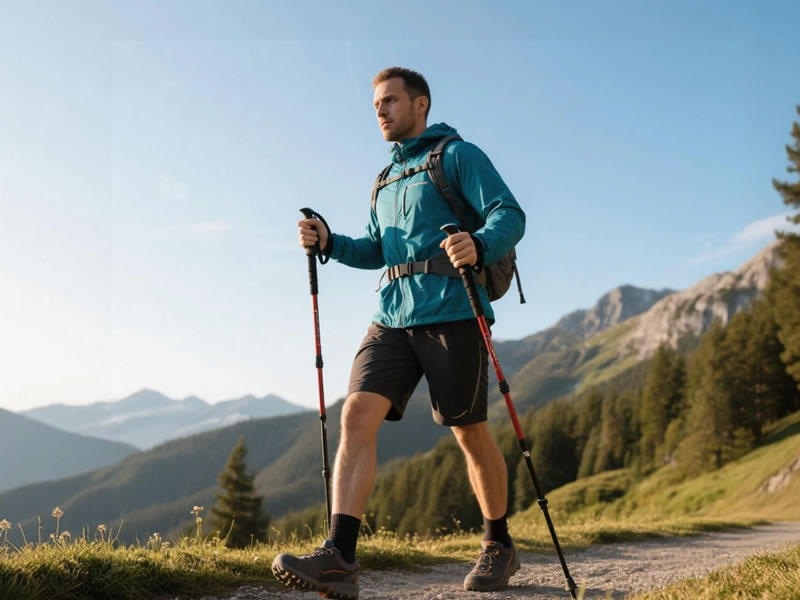
Recommended trekking pole purchase link:https://s.click.aliexpress.com/e/_c4M7OWaN
The Short Answer
Cheap walking poles are an unpredictable gamble. While some budget poles from reputable brands like Cascade Mountain Tech can reliably support 200-250 pounds, no-name poles from unknown manufacturers may fail at half that weight. The locking mechanisms are typically the weakest point, prone to slipping or collapsing under load. The shaft material itself may be of inconsistent quality, with cheap carbon fiber particularly prone to sudden, catastrophic failure. For safety's sake, if you weigh more than 150 pounds or plan any serious hiking, invest in poles from known brands with proven reliability.
The Problem: No Industry Standards
Unlike climbing equipment, which must meet rigorous safety standards, walking poles have no universal weight rating requirements. This means:
- A $20 pole and a $200 pole can look nearly identical
- No independent testing verifies manufacturer claims
- "Maximum weight" specifications, when provided, are often optimistic
- Quality control varies wildly between production batches
What Fails First in Cheap Poles
1. Locking Mechanisms
The most common failure point in cheap poles is the locking system. Under load:
- Twist-locks slip: Inexpensive internal mechanisms lack the grip strength to hold. A pole that seems secure can suddenly telescope when you lean on it.
- Flick-locks bend: Cheap metals in lever mechanisms deform under pressure, losing their ability to clamp.
- Plastic components crack: Internal parts made of plastic rather than metal fail without warning.
2. Shaft Quality
- Aluminum: Cheap aluminum may be lower-grade alloy that bends more easily or has inconsistent wall thickness.
- Carbon Fiber: This is where the biggest danger lies. Cheap carbon fiber often uses lower-grade fibers and less resin, resulting in poles that can snap catastrophically under load—especially in cold conditions.
3. Tip Attachment
- Tips may pull off under suction (mud) or lateral force
- Screw-in tips may have poor threading that strips
- Glued tips can separate from the shaft
4. Baskets
- Cheap plastic baskets crack easily
- Attachment points fail, leaving you basketless in soft ground
Real-World Testing: What Cheap Poles Can Handle
While no comprehensive scientific study exists, anecdotal evidence from hikers and informal testing provides guidance:
Cascade Mountain Tech Aluminum ($30-40):
- Consistently reported to hold 200-250 pounds
- Flick-locks may need occasional tightening but generally hold
- Shafts are reasonably durable for the price
- Verdict: Acceptable for most hikers up to 220 pounds
No-Name Amazon Specials ($15-25):
- Highly variable; some hold 150 pounds, others fail at 100
- Twist-locks commonly slip under moderate load
- Carbon fiber versions have snapped with users under 180 pounds
- Verdict: Unpredictable and potentially dangerous
Decathlon Forclaz ($25-35):
- European budget brand with better quality control
- Generally reliable for users up to 200 pounds
- Verdict: Good budget option
The Physics of Failure
Understanding why cheap poles fail helps you assess risk:
Locking Mechanism Physics:
A flick-lock must generate enough clamping force to resist the weight you apply. This force is a function of:
- Lever geometry (cheap poles often have poor designs)
- Material strength (soft metals deform)
- Friction surfaces (cheap materials provide less grip)
When these factors combine poorly, the lock slips. The pole telescopes, you lose support, and potentially fall.
Carbon Fiber Failure:
Carbon fiber's strength comes from the fibers and the resin bonding them. Cheap carbon fiber uses:
- Lower-grade fibers with inconsistent properties
- Less resin, creating voids and weak points
- Poor curing, resulting in brittle material
Under load, these defects cause sudden, complete failure—the pole snaps with no warning.
Weight Limits by Pole Type
| Pole Type | Typical Safe Load | Notes |
|---|---|---|
| Reputable brand aluminum (Black Diamond, Leki) | 250-300 lbs | Tested, reliable |
| Budget brand aluminum (Cascade Mountain Tech) | 200-250 lbs | Good for most users |
| No-name aluminum | 100-200 lbs | Highly variable |
| Reputable brand carbon fiber | 220-280 lbs | Strong but brittle |
| No-name carbon fiber | ??? | Unpredictable, risk of snap |
Signs Your Cheap Poles Are Failing
Before Failure:
- Locks that require frequent retightening
- Creaking or clicking sounds when under load
- Visible bending of the shaft
- Locks that feel "mushy" when closed
- Tips that wobble or pull off easily
During Use:
- Sudden telescoping (pole gets shorter)
- Unexpected flexing or bending
- Complete snap (usually carbon fiber)
If you notice any of these signs, replace the poles immediately.
The Cascade Mountain Tech Exception
Cascade Mountain Tech has earned a reputation as the "good cheap pole." Why?
- Consistent quality control
- Flick-lock mechanisms that actually work
- Cork grips on many models
- Reasonably durable aluminum
- A track record of thousands of satisfied hikers
For budget-conscious hikers, these poles offer an acceptable safety margin for most users. However, they're not indestructible, and heavier hikers or those doing technical terrain may want to invest in premium brands.
When Cheap Poles Are Acceptable
Safe Uses:
- Day hikes on well-maintained trails
- Hikers under 200 pounds
- Casual, occasional use
- Backup poles kept in the car
- Children or lighter adults
Risky Uses:
- Heavy backpacking with significant pack weight
- Hikers over 220 pounds
- Technical terrain with potential for high loads
- Extended expeditions where failure would be catastrophic
- Winter use in cold (cheap carbon fiber becomes brittle)
How to Choose Safe Budget Poles
If your budget is limited, follow these guidelines:
- Stick to Known Brands: Cascade Mountain Tech, Decathlon, or TrailBuddy have proven track records.
- Avoid No-Name Carbon Fiber: At budget prices, carbon fiber is more likely to fail than aluminum.
- Check Lock Mechanisms: Flick-locks are generally more reliable than cheap twist-locks.
- Read Reviews: Look for patterns of failure in user experiences.
- Test at Home: Before hitting the trail, lean heavily on your poles at home. If they slip or feel weak, return them.
- Know Your Weight: Be honest about your weight and pack weight when assessing poles.
What Hikers Say
"I bought $20 poles on Amazon," shares Mike, a casual hiker. "First hike, the twist-lock slipped going downhill. I stumbled but didn't fall. Threw them away and bought Cascade Mountain Tech. No problems since."
"I weigh 240 pounds and tried cheap carbon fiber poles," says Jennifer. "They snapped on a moderate descent. Luckily I caught myself, but I was shaken. Now I use Black Diamond aluminum."
The Bottom Line
How much weight can cheap walking poles really hold? The honest answer is: it depends, and you shouldn't gamble with your safety. While some budget poles from reputable brands can reliably support 200-250 pounds, no-name poles are a crapshoot that could fail when you need them most.
The locking mechanisms are almost always the weakest point. Cheap twist-locks slip; cheap flick-locks bend. Carbon fiber poles from unknown manufacturers risk sudden, catastrophic snap—a terrifying experience on any terrain.
If your budget is tight, stick to proven budget brands like Cascade Mountain Tech or Decathlon. Inspect your poles regularly, and be realistic about your weight and the demands of your hikes. For heavier hikers, those carrying significant packs, or anyone tackling challenging terrain, investing in reputable brands like Black Diamond or Leki is money well spent on safety.
Your poles support your every step. Don't trust that support to a gamble.
Disclaimer: This article provides general information about gear safety and does not constitute professional engineering advice. Individual experiences vary, and no online guide can substitute for careful inspection and common sense. When in doubt about equipment safety, replace it.




