




Best Walking Poles for Forest Trails with Roots? A Complete Guide to Staying Upright
Forest trails offer some of the most beautiful hiking experiences—dappled sunlight, the scent of pine, and the quiet rustle of leaves. But they also present a unique challenge: roots. Those gnarly, twisted, often-slick obstacles crisscross the path, waiting to catch an unwary foot and send you sprawling. Navigating root-tangled terrain requires walking poles with specific features: quick adjustability, reliable grip on wet wood, and lightweight construction for frequent lifting. This comprehensive guide explores the best poles for root-filled forests and how to use them effectively.
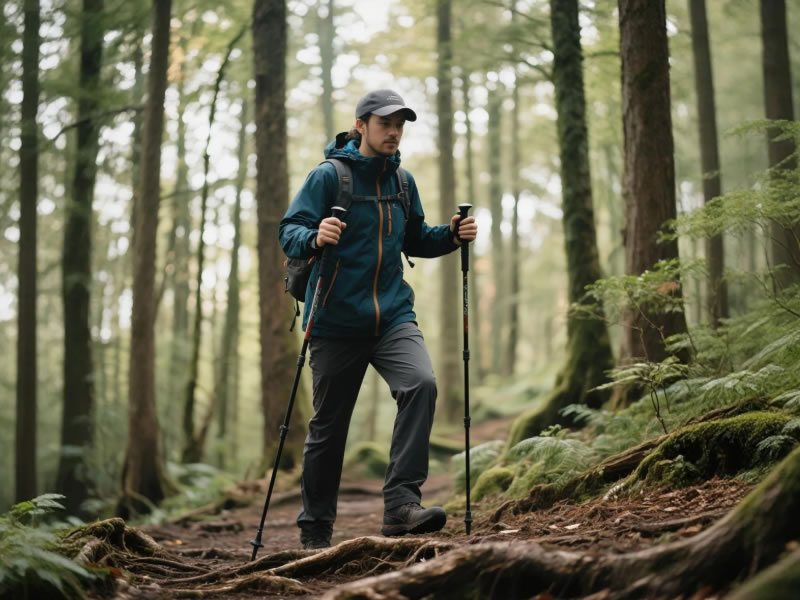
Recommended trekking pole purchase link:https://s.click.aliexpress.com/e/_c4M7OWaN
The Short Answer
The best walking poles for forest trails with roots feature quick-release flick-locks for on-the-fly length adjustments, comfortable cork or foam grips for constant handling, aggressive carbide tips that bite into wet wood, and lightweight construction to reduce arm fatigue from frequent lifting over obstacles. The Black Diamond Alpine Cork is the top choice, proven on countless rooty trails. Leki's Makula series offers excellent adjustability. And Cascade Mountain Tech provides budget-friendly options with surprising capability.
Why Roots Are So Tricky
Roots present unique challenges for hikers:
Slippery Surface: When wet—which they often are in shaded forests—roots become as slick as ice. Even dry roots offer less traction than soil.
Irregular Height: Roots create uneven terrain with sudden elevation changes. Your poles need to adapt instantly.
Hidden Hazards: Roots are often partially buried, creating ankle-turning traps.
Constant Obstacles: Unlike occasional rocks, roots can be continuous for miles, requiring constant pole placement and adjustment.
Frequent Lifting: You'll lift your poles over roots constantly. Lightweight poles reduce fatigue.
Critical Features for Rooty Trails
Quick-Release Flick-Locks
On root-tangled terrain, you'll adjust pole length frequently:
- Shorten for climbing over large root systems
- Lengthen for descending root-steps
- Fine-tune for traversing side slopes
Look for:
- Tool-free adjustments you can make while walking
- Secure locks that won't slip under sudden loads
- Flick-locks (lever-locks) are faster and more reliable than twist-locks
Carbide Tips for Wet Wood
Standard rubber tips are useless on roots—they'll slide. You need:
- Aggressive carbide tips that bite into wood
- Replaceable tips—roots will wear them
- Sharp points that can penetrate the surface of slick roots
Lightweight Construction
You'll lift your poles thousands of times over obstacles. Every ounce matters:
- Carbon fiber offers the lightest option, reducing arm fatigue
- Aluminum is heavier but more durable; a trade-off
- Balance—poles should feel responsive, not clunky
Comfortable Grips
Your hands will be gripping constantly, adjusting frequently. Comfort is paramount:
- Cork grips mold to your hands, absorb sweat, and remain comfortable mile after mile
- Foam grips offer good cushioning and perform well in wet conditions
- Extended grips allow choking up for better control on technical sections
Shorter Length for Maneuverability
On rooty trails, shorter poles often work better:
- Easier to lift over obstacles
- Quicker to reposition
- Less likely to catch on overhead branches
Many experienced root-hikers keep their poles slightly shorter than standard trail length.
Recommended Poles for Rooty Forest Trails
Best Overall: Black Diamond Alpine Cork
The Alpine Cork excels on root-tangled terrain:
- Locks: FlickLock—quick, reliable adjustments on the fly
- Grips: Cork—comfortable for constant handling
- Tips: Carbide—bites into wet wood
- Weight: Moderate, well-balanced
- Construction: Durable aluminum (or carbon option)
Why They Work: The flick-locks allow instant length changes as you encounter different root configurations. The cork grips remain comfortable during constant handling. The carbide tips provide reliable traction on slick wood.
Best Premium: Leki Makalu Series
Leki's precision engineering shines on technical terrain:
- Locks: Speed Lock—quick, secure, well-sealed
- Grips: Cork or Aergon—excellent comfort
- Tips: Carbide, replaceable
- Adjustability: Smooth, precise length changes
- Construction: Durable aluminum
Why They Work: The Speed Lock system is among the fastest and most reliable for on-trail adjustments. The comfortable grips reduce hand fatigue during constant handling.
Best Ultralight: Black Diamond Distance Carbon Z
For weight-conscious hikers tackling rooty trails:
- Weight: Under 10 ounces per pair—virtually disappears in your hands
- Locks: Fixed length—no adjustment, but ultralight
- Grips: Foam—comfortable
- Tips: Carbide
- Deployment: Z-pole system folds small
Why They Work: The extreme lightness reduces arm fatigue when lifting over countless roots. However, the fixed length means you sacrifice adjustability.
Best Budget: Cascade Mountain Tech Aluminum with Cork Grips
For hikers on a budget:
- Grips: Cork—impressive at this price point
- Locks: Flick-lock style—functional
- Tips: Carbide, replaceable
- Weight: Moderate
- Value: Affordable enough to upgrade later if desired
Pros: Cork grips at budget prices, decent adjustability
Cons: Locks less refined than premium options
Techniques for Rooty Trails
Keep Poles Shorter
On root-tangled terrain, try keeping your poles 5-10cm shorter than your normal flat-ground length. This:
- Allows quicker maneuvering
- Reduces lifting height
- Improves control on technical sections
Adjust Constantly
Don't hesitate to change length frequently:
- Shorten when climbing over large root systems
- Lengthen when descending root-steps
- Adjust for traverses and side slopes
Plant on Soil, Not Roots
Whenever possible, plant your poles on soil between roots rather than on the roots themselves. Soil provides better traction and is less damaging to the forest ecosystem.
If You Must Plant on Roots:
- Place the tip at an angle, not straight down
- Test with light pressure before committing weight
- Be prepared for the tip to slip
Lift, Don't Drag
On rooty trails, lift your poles clear between plants rather than dragging them. This:
- Prevents catching on roots
- Reduces wear on tips
- Improves control
Use Three Points of Contact
On complex root sections, maintain three points of contact (two feet and one pole, or two poles and one foot). Move one limb at a time.
Scan Ahead
Look several steps ahead to plan your route through the root maze. Identify the best places to plant both feet and poles.
Essential Accessories
Spare Tips
Roots wear down carbide. Carry spares and replace when tips become dull.
Small Hex Key
For tightening flick-locks if they loosen during the day.
Gloves
If you'll be gripping poles constantly, gloves can reduce hand fatigue and protect against blisters.
Maintenance After Rooty Hikes
Clean Tips
Roots can leave sap and debris on tips. Clean with a cloth or brush.
Check Locks
Rooty trails involve more adjustments than normal. Ensure locks still hold securely.
Inspect for Damage
Look for nicks or scratches from rock contacts.
What Experienced Hikers Say
"The Smokies are nothing but roots," shares Mike, an Appalachian Trail veteran. "I kept my Black Diamond Alpine Corms shorter than normal and adjusted constantly. The flick-locks made it easy. Never slipped on a wet root."
"I learned to plant on soil, not roots," says Jennifer, a Pacific Northwest hiker. "Makes a huge difference. But when you have to hit a root, carbide tips are essential. My Leki's have saved me countless times."
The Bottom Line
For forest trails tangled with roots, the best walking poles combine quick adjustability, reliable traction on wet wood, lightweight construction, and comfortable grips for constant handling. The Black Diamond Alpine Cork leads the category with its responsive flick-locks, comfortable cork grips, and aggressive carbide tips. Leki's Makalu series offers premium adjustability and comfort. Ultralight enthusiasts may prefer the Black Diamond Distance Carbon Z, accepting the trade-off of fixed length.
Remember that technique matters as much as equipment. Keep poles shorter, adjust constantly, plant on soil when possible, and lift rather than drag. With the right poles and proper technique, you'll navigate root-tangled forests with confidence and stability.
Disclaimer: This article provides general information about gear selection for rooty terrain. Individual experiences vary based on specific trail conditions and personal hiking style. Always test gear before committing to technical routes.




