




Winter Walking Poles with Ice Tips – Worth It? A Complete Guide to Icy Traction
Winter hiking transforms familiar trails into crystalline wonderlands, but it also transforms the ground underfoot into a potentially treacherous surface. Ice is unforgiving. One moment of lost traction can lead to a fall with serious consequences. Standard walking pole tips, designed for dirt and rock, often fail on ice, skating across the surface rather than biting in. This leads many winter hikers to a crucial question: are specialized ice tips worth the investment? The answer, for anyone hiking on icy terrain, is a resounding yes. This comprehensive guide explores why ice tips matter, what they offer, and whether they're the right choice for your winter adventures.
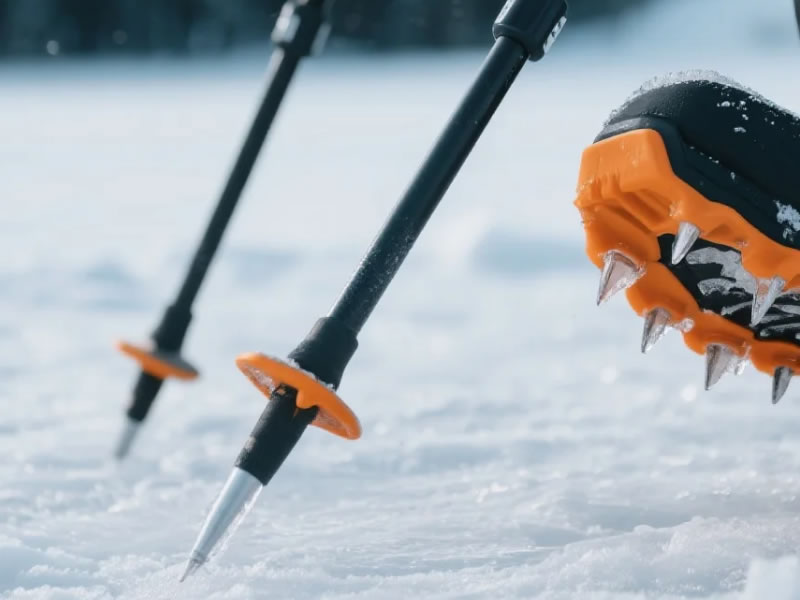
Recommended trekking pole purchase link:https://s.click.aliexpress.com/e/_c4M7OWaN
The Short Answer
Yes, absolutely worth it for any significant icy conditions. Standard carbide tips can skate unpredictably on hard, polished ice. Ice-specific tips feature more aggressive, pointed profiles that bite into frozen surfaces, providing crucial stability and confidence. The Leki Makalu series with included ice tips is a top choice. Black Diamond offers compatible ice tips for their interchangeable system. Pro tip: carry standard tips as well—swap them when you transition from ice to bare ground to preserve the more aggressive ice tips.
Why Standard Tips Fail on Ice
Understanding the problem helps explain why ice tips are necessary:
Carbide Tips on Ice:
Carbide is extremely hard, but its typical shape—a relatively blunt point—is designed to dig into dirt or bite into rock. On ice:
- The tip has minimal contact area
- It can't penetrate hard, slick ice
- Instead of biting, it skates across the surface
- Any sideways force causes loss of traction
The result: Unpredictable, slippery performance that undermines confidence and safety.
Rubber Tips on Ice:
Even worse. Rubber tips are designed for pavement, providing friction through surface contact. On ice:
- Rubber has no biting capability
- It slides immediately with zero traction
- Never use rubber tips on ice
What Ice Tips Offer
Specialized ice tips are designed with one goal: penetration.
Aggressive Point Profile:
- Sharper, more acute points than standard carbide tips
- Often multi-faceted with cutting edges that dig in
- Some designs feature reverse barbs that engage once inserted
Hardened Materials:
- Made from hardened steel or tungsten carbide
- Designed to withstand impact with ice without dulling
- Some tips are replaceable when worn
Biting Action:
- The sharp point penetrates the ice surface
- Once inserted, the tip holds position
- Provides stable, predictable support
Types of Ice Tips
Leki Ice Tips
Leki's system is among the most popular and effective:
- Design: Aggressive, pointed tip with multiple cutting edges
- Compatibility: Fits Leki's FlexTip system
- Material: Hardened steel or carbide options
- Performance: Excellent bite on hard ice
- Availability: Widely available at outdoor retailers
Black Diamond Ice Tips
Black Diamond offers ice tips for their interchangeable system:
- Design: Sharp, pointed profile
- Compatibility: Screws into standard Black Diamond tips
- Material: Hardened steel
- Performance: Good bite on most ice conditions
- Note: Some users report they can be difficult to remove if overtightened
Komperdell Ice Tips
Komperdell's system provides similar capability:
- Design: Aggressive point
- Compatibility: Fits Komperdell's Vario tip system
- Material: Hardened steel
- Performance: Reliable on ice
Universal Ice Tip Attachments
Some manufacturers offer add-on ice tips that fit over standard tips:
- Pros: Work with any poles, affordable
- Cons: Can be bulky, may spin on the tip, less secure than integrated systems
When Ice Tips Are Essential
| Condition | Ice Tips Needed? |
|---|---|
| Hard, polished ice | Essential |
| Frozen snowpack | Helpful |
| Glazed ice (black ice) | Essential |
| Mixed ice and rock | Recommended |
| Soft, slushy snow | Not needed |
| Bare ground | Avoid (they wear quickly) |
Scenarios Where Ice Tips Shine:
- Winter mountaineering on glaciated terrain
- Icy trails after freeze-thaw cycles
- Early morning hikes when overnight frost hasn't melted
- Crossing frozen lakes or streams
- Approaches to ice climbs
- Any situation where a fall would have serious consequences
The Cost-Benefit Analysis
| Factor | Consideration |
|---|---|
| Cost | $20-40 per pair—modest investment |
| Safety Benefit | Significant—prevents falls on ice |
| Weight | Minimal—ounces at most |
| Versatility | Limited to ice; swap when conditions change |
| Durability | Ice tips wear faster on rock; use selectively |
Verdict: For anyone hiking in areas with regular ice, the safety benefit far outweighs the modest cost and inconvenience of swapping tips.
Recommended Poles with Ice Tips
Best Integrated: Leki Makalu Series with Ice Tips
Leki's system is seamless and reliable:
- Poles: Durable aluminum construction
- Tips: Ice tips included or available as accessory
- Swap: Quick-change FlexTip system
- Grips: Cork or Aergon—comfortable with gloves
- Baskets: Large snow baskets included
Why They Work: The FlexTip system makes swapping between ice and standard tips effortless. The poles themselves are built for winter conditions.
Best Interchangeable: Black Diamond Alpine with Ice Tips
Black Diamond's system offers versatility:
- Poles: Durable aluminum or carbon options
- Tips: Ice tips available separately
- Swap: Screw-in system, secure but requires tool
- Grips: Cork—comfortable, warm
- Locks: FlickLock—reliable in cold
Why They Work: The quality construction and reliable flick-locks make these poles winter-ready. Add ice tips when conditions demand.
Best Budget: Cascade Mountain Tech with Universal Ice Tips
For occasional ice encounters:
- Poles: Aluminum, affordable
- Tips: Purchase universal ice tip attachments
- Swap: Slip-on design, less secure but functional
- Value: Low-cost entry to ice safety
Pros: Affordable, works with existing poles
Cons: Universal tips less secure than integrated systems
When NOT to Use Ice Tips
On Bare Rock:
Ice tips are more aggressive than standard carbide. Using them on rock:
- Wears them down quickly
- Can damage rock surfaces
- Reduces their effectiveness when you need them for ice
On Pavement:
Similar concerns. Use rubber tips for road sections.
In Soft Snow:
Ice tips are unnecessary in deep, soft snow. Standard carbide or even baskets work better.
Techniques for Using Ice Tips
Plant Deliberately
On ice, placement matters. Aim for spots where the tip can get maximum purchase—often slightly textured ice rather than perfectly smooth patches.
Test Before Committing
Plant the pole with light pressure first. If it skates, try a different spot. Once secure, transfer weight.
Use Both Poles
On treacherous ice, two poles provide four points of contact. Maintain three points whenever possible.
Adjust for Conditions
- Steep ice: Shorten poles for better leverage
- Descending: Lengthen for stability and braking
Carry Standard Tips
Always carry your standard carbide or rubber tips. Conditions change. Swap when ice ends.
Maintenance of Ice Tips
Inspect for Wear
Ice tips eventually dull. Check the point regularly. Replace when they no longer bite effectively.
Clean After Use
Ice tips can pick up grit and salt. Rinse with fresh water after use, especially if you've been on treated trails.
Dry Thoroughly
Prevent rust by drying tips completely before storage.
Store Separately
If your tips are removable, store them in a small pouch to prevent damage to other gear.
What Winter Hikers Say
"I used to dread icy sections," shares Mike, a New Hampshire winter hiker. "My standard carbide tips would skate, and I'd be tense the whole time. I bought Leki ice tips for my Makalus. The difference is unbelievable. They actually bite. Now I look forward to winter hiking."
"I tried universal slip-on ice tips first," says Jennifer, a Colorado hiker. "They worked okay but kept spinning. Switched to Black Diamond's screw-in ice tips. So much better. Solid as a rock—or ice."
The Bottom Line
Are winter walking poles with ice tips worth it? For anyone hiking on icy terrain, absolutely. The difference between skating on slick ice and biting securely is the difference between anxious, precarious walking and confident, stable movement. Ice tips provide that crucial grip when you need it most.
The Leki Makalu series with integrated ice tips offers the most seamless solution, with quick-change FlexTips that make swapping effortless. Black Diamond's screw-in ice tips provide excellent performance for their interchangeable system. Budget-conscious hikers can try universal slip-on attachments, though they're less secure.
Remember that ice tips are specialized tools. Use them when conditions demand, swap them out when they don't, and maintain them properly. With the right tips on your poles, winter ice becomes just another surface to conquer, not a reason to stay home.
Disclaimer: This article provides general information about gear selection for winter conditions. Ice conditions vary enormously, and no equipment guarantees safety. Always assess conditions carefully, carry appropriate gear, and be prepared to turn back if conditions exceed your capabilities.




