




Walking Poles for People with Prosthetic Limbs? A Guide to Stability, Confidence, and Independence
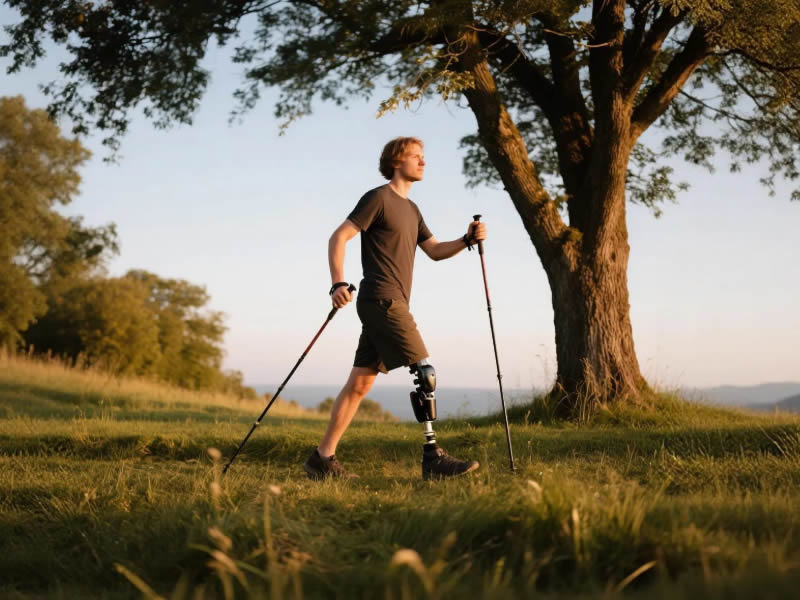
Adapting to life with a prosthetic limb involves learning new ways to move, balance, and navigate the world. For many amputees, walking poles can be invaluable tools, providing extra stability, reducing strain on the residual limb and sound side, and boosting confidence on uneven terrain. However, selecting the right poles requires careful consideration of individual gait patterns, balance needs, and the type of prosthetic used. This guide explores how people with prosthetic limbs can choose walking poles that support their unique mobility goals.
Recommended trekking pole purchase link:https://s.click.aliexpress.com/e/_c4M7OWaN
The Short Answer
Yes, walking poles can provide crucial support for people with prosthetic limbs. They offer enhanced stability by creating four points of contact with the ground, which is especially helpful on uneven terrain. They help reduce load on the sound limb, which often compensates for the prosthetic side and can become overstressed. They assist with balance during gait transitions and can improve confidence when navigating challenging environments. Look for poles with stable bases (like quad-tipped feet), lightweight aluminum construction, ergonomic grips to reduce hand fatigue, and adjustable length to accommodate different gaits. The Black Diamond Trail Sport 3 is a reliable, adjustable choice. Always consult your prosthetist and physical therapist for personalized guidance.
Why Walking Poles Are Valuable for Prosthetic Users
Living with a prosthesis presents unique challenges that poles can address:
Balance and Proprioception: Amputation removes sensory input from the missing limb, affecting balance. Poles provide additional sensory feedback through the hands, helping the brain understand body position.
Load Distribution: The sound limb often bears extra weight to compensate for the prosthetic side. Poles transfer some of this load to the upper body, reducing stress on the sound limb.
Uneven Terrain: Navigating rocks, roots, or slopes is more challenging with a prosthesis. Poles provide crucial stability.
Energy Conservation: Walking with a prosthesis requires more energy. Poles engage upper body muscles, distributing workload and reducing fatigue.
Confidence: Fear of falling can limit activity. Poles provide a tangible safety net, encouraging more movement.
Gait Symmetry: Poles can help establish a more natural, rhythmic walking pattern.
Critical Features for Prosthetic Users
Stable Base Options
The type of tip or foot on your pole significantly affects stability:
- Quad-tipped bases (four small feet) provide maximum stability, especially on level ground. They prevent the pole from tipping and are excellent for those who need substantial support.
- Large rubber feet offer good stability with a single point of contact. They provide traction on various surfaces and some shock absorption.
- Swivel bases maintain full contact even when the pole is angled, useful for uneven terrain.
- Interchangeable tip systems let you switch between stability options based on terrain.
Lightweight Construction
Every gram you lift with each step adds to fatigue:
- Aluminum poles offer a good balance of durability and weight. High-quality 7075 aluminum is strong yet manageable.
- Carbon fiber is lighter but more brittle and expensive. For most prosthetic users, quality aluminum is the safer choice.
Adjustable Length
Gait patterns vary, and your needs may change:
- Adjustable poles let you fine-tune length for different terrains and activities.
- Flick-locks (lever-locks) are easier to adjust than twist-locks and provide visual confirmation of security.
- Work with your physical therapist to determine optimal length for your specific gait.
Ergonomic, Comfortable Grips
Your hands will be working harder. Grips must be comfortable:
- Cork grips are excellent—they mold to your hand, absorb sweat, and reduce fatigue.
- Foam grips are a good alternative—cushioned and lightweight.
- Oversized grips can reduce the grip strength required.
Secure Straps
Straps allow you to relax your grip while maintaining control:
- Padded straps reduce pressure on hands.
- Adjustable straps ensure proper fit.
- Quick-release designs allow you to free your hands instantly if needed.
Shock Absorption (Optional)
For some users, shock-absorbing poles can reduce jarring on the residual limb and sound side. However, this adds weight—discuss with your therapist.
Recommended Poles for Prosthetic Users
Best Overall: Black Diamond Trail Sport 3
The Trail Sport 3 offers reliable performance at a reasonable price:
- Construction: Durable aluminum—forgiving of bumps, reasonably lightweight
- Grips: Foam—comfortable, reduces hand fatigue
- Locks: FlickLock—reliable, easy to adjust
- Adjustability: Wide range accommodates different gaits
- Tips: Carbide standard—add large rubber feet for stability
- Baskets: Standard size sufficient for most terrain
- Weight: Moderate, well-balanced
Why They Work: The foam grips are comfortable for long days. The flick-locks let you quickly adjust length as needed. The durable construction withstands regular use.
Best for Maximum Stability: Hugo Mobility Quad Cane
For those who need the most substantial support:
- Base: Quad-tipped—four points of contact for exceptional stability
- Construction: Lightweight aluminum
- Grips: Ergonomic, comfortable
- Height: Adjustable
- Use: Can be used singly or in pairs
Why They Work: The four-point base provides unmatched stability on level ground. It's an excellent option for those transitioning from a walker or needing maximum support.
Best Adjustable: LEKI Makalu Series
LEKI's quality construction is ideal for those needing reliable support:
- Construction: Durable aluminum
- Locks: Speed Lock—simple, secure, easy to operate
- Grips: Cork or Aergon—comfortable options
- Adjustability: Wide range
- Tips: Carbide—add large rubber feet for stability
- Durability: Built to last
Why They Work: The cork grips are comfortable for extended use. The reliable locks hold securely. The durable construction provides long-term value.
Best for Joint Protection: LEKI Wanderfreund
For users who want maximum comfort and stability:
- Grips: Ergonomic Aergon—reduces hand fatigue
- Tips: Rolling tips with large rubber feet option—maintain continuous contact
- Shock Absorption: Built-in—cushions each step
- Construction: Aluminum
- Stability: Excellent on varied terrain
Why They Work: The rolling tips provide continuous support, which can be especially helpful for those with gait asymmetries. The shock absorption protects joints.
Best Budget: Cascade Mountain Tech Aluminum
For budget-conscious users:
- Construction: Aluminum—decent durability
- Grips: Cork on many models—comfortable
- Locks: Flick-lock style—functional
- Tips: Carbide—add large rubber feet
- Adjustability: Good range
- Value: Affordable
Pros: Cork grips at budget prices, decent adjustability
Cons: Locks less refined than premium options
Essential Accessories
Large Rubber Feet
Essential for stability on pavement and hard surfaces. They provide a wider base of contact and better traction.
Quad Tips
For maximum stability, consider tips with four small feet. These can be used on some adjustable poles or purchased as separate attachments.
Padded Gloves
If hand fatigue is an issue, lightweight padded gloves can provide additional cushioning.
Reflective Elements
For safety during low-light conditions, add reflective tape to poles.
Working with Your Healthcare Team
Consult Your Prosthetist
Your prosthetist can advise on:
- How poles might interact with your specific prosthesis
- Weight-bearing considerations for your residual limb
- Any precautions specific to your fit
Work with a Physical Therapist
A physical therapist can:
- Assess your gait and balance needs
- Help determine optimal pole length
- Teach proper technique
- Design a progressive walking program
- Address specific challenges related to your amputation level
Occupational Therapist Input
An occupational therapist can help with:
- Integrating pole use into daily activities
- Energy conservation strategies
- Addressing functional goals
Techniques for Walking with Prosthesis and Poles
Start with Professional Guidance
Before hitting the trails, work with your physical therapist to master:
- Proper pole placement relative to your gait
- Weight transfer techniques
- Navigating different terrains
- Safety procedures for falls
Use Both Poles
Even if your balance is good on one side, using two poles provides symmetrical support and encourages natural gait patterns.
Adjust Length Appropriately
Your physical therapist can help determine the optimal length based on:
- Your height
- Your gait pattern
- The terrain you'll be walking
- Your specific prosthetic fit
Practice on Safe Terrain
Begin on flat, even surfaces like paved paths or indoor tracks. Progress gradually to more challenging terrain.
Listen to Your Body
Pay attention to:
- Skin integrity on your residual limb
- Fatigue levels
- Any new pain or discomfort
- Changes in gait pattern
Maintain Your Prosthesis
Regular check-ups with your prosthetist ensure your fit remains optimal for walking with poles.
What Prosthetic Users Say
"After my amputation, I was terrified of falling," shares Mike, a below-knee amputee. "My physical therapist suggested walking poles. They've been a game-changer. I can hike again, explore trails, and feel confident. The stability is incredible."
"I use LEKI poles with large rubber feet," says Sarah, an above-knee amputee. "The rolling tips help maintain contact through my uneven gait. My sound limb thanks me—less stress, less pain."
The Emotional Journey
Adapting to life with a prosthesis is both physical and emotional. Walking poles can support both aspects:
- Physical confidence to navigate challenging environments
- Emotional freedom to participate in activities you love
- Social connection to hike with friends and family
- Personal empowerment to push beyond perceived limitations
The Bottom Line
For people with prosthetic limbs, walking poles are not just helpful—they can be transformative. They provide crucial stability, reduce load on the sound limb, conserve energy, and boost confidence. The Black Diamond Trail Sport 3 offers reliable performance with easy adjustability. The LEKI Makalu series provides premium quality with comfortable cork grips. For maximum stability, consider quad-tipped bases or large rubber feet.
Remember that the most important step is consulting your healthcare team. Your prosthetist and physical therapist can provide personalized guidance on pole selection and technique. With the right poles and proper training, you can explore the outdoors with confidence and independence.
Disclaimer: This article provides general information and does not constitute medical advice. Always consult your prosthetist, physical therapist, and other healthcare providers for guidance specific to your situation.




