




Walking poles for foraging and mushroom hunting?
Yes, foraging demands a free hand and stable footing. Look for lightweight poles (easy to hold while bending), large baskets (prevent sinking in soft forest duff), and quiet operation (won't scare wildlife). Top pick: Black Diamond Distance Carbon Z—ultralight and packable. Pro tip: use one pole, keeping one hand free for harvesting!<|end▁of▁thinking|>Walking Poles for Foraging and Mushroom Hunting? A Guide to Hands-Free Harvesting
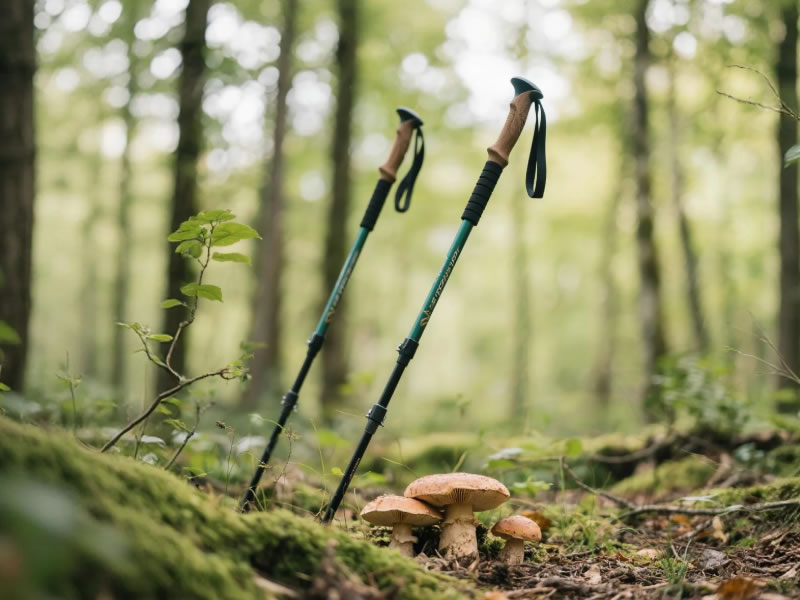
Recommended trekking pole purchase link:https://s.click.aliexpress.com/e/_c4M7OWaN
Foraging for wild edibles and mushroom hunting are among the most rewarding outdoor activities. They combine the joy of hiking with the thrill of discovery and the satisfaction of gathering your own food. But foraging adds unique demands to your walk: you need to bend constantly, navigate off-trail through dense vegetation, carry baskets or bags, and keep your hands free for harvesting. Walking poles, when chosen thoughtfully, can support rather than hinder these activities. This comprehensive guide explores how foragers can select poles that enhance their experience.
The Short Answer
Yes, walking poles are excellent tools for foraging and mushroom hunting. They provide crucial stability when you're bending to examine or harvest, preventing falls on uneven forest floor. They help you navigate off-trail through dense undergrowth where footing is uncertain. They reduce fatigue during long days of slow, meandering search. And with the right features, they won't scare away the wildlife you're hoping to spot. Look for lightweight poles (easy to hold while bending), large baskets (prevent sinking in soft forest duff), and quiet operation (won't disturb the woods). The Black Diamond Distance Carbon Z is an excellent ultralight, packable choice. Pro tip: use one pole, keeping one hand free for harvesting!
Why Foraging Demands Different Pole Features
Foraging and mushroom hunting present unique challenges:
Constant Bending: You'll be stooping, kneeling, and bending repeatedly to examine and harvest. Poles provide support as you change positions.
Off-Trail Navigation: The best spots are often away from maintained paths. Poles help you navigate uneven, root-filled, potentially muddy terrain.
Hands-Free Needs: You need at least one hand free—to harvest, to hold a basket, to examine a specimen. Poles must be easy to manage one-handed.
Slow, Meandering Pace: Foraging is about covering ground slowly and thoroughly. Poles should support a leisurely, observant pace.
Carrying Gear: Baskets, bags, knives, field guides—you're carrying more than a typical hiker. Poles help balance the load.
Quiet Movement: Sudden noises can alert wildlife and disturb the peaceful woods. Silent poles are appreciated.
Critical Features for Foraging Poles
Lightweight Construction
You'll be lifting your poles constantly—to move around a patch of morels, to point out a find, to free a hand for harvesting. Every ounce matters:
- Carbon fiber poles are the lightest option (under 10 ounces per pair)
- Lightweight aluminum is a good second choice
- Ultralight designs reduce fatigue during long foraging days
One-Pole Friendly
Many foragers prefer using a single pole:
- Frees one hand for harvesting
- Provides stability while allowing more freedom
- Less to manage in dense undergrowth
- Can be tucked under an arm when not needed
Large Baskets
Forest duff—the layer of decomposing leaves and organic matter—can be soft and unstable:
- Large baskets (2-3 inches) prevent poles from sinking
- Mud baskets are ideal for soft forest floor
- Interchangeable baskets let you adapt to conditions
Quiet Operation
The forest should be heard, not your gear:
- Cork grips don't squeak
- Rubber tips eliminate clicking on rocks
- Secure locks that don't rattle
Comfortable Grips
You'll be gripping poles for hours, often with a relaxed hold:
- Cork grips are ideal—they mold to your hands, absorb sweat, and remain comfortable
- Foam grips are a good alternative—cushioned and lightweight
- Extended grips allow varied hand positions
Durable Tips
Foraging often involves probing duff, poking under logs, and testing uncertain ground:
- Carbide tips are durable and provide good traction
- Rubber tips are quieter but wear faster
- Consider both—carbide for probing, rubber for quiet movement
Recommended Poles for Foragers
Best Overall for One-Pole Use: Black Diamond Distance Carbon Z
The Distance Carbon Z is perfect for foragers who prefer a single pole:
- Weight: Under 10 ounces per pair—so light you can easily manage one
- Grips: Foam—comfortable, quiet
- Construction: Carbon fiber—light, responsive
- Deployment: Z-pole system folds to 34cm—easily stashed when not needed
- Tips: Carbide standard—add rubber tips for quiet operation
- Baskets: Standard—add larger baskets for soft duff
Why They Work: At this weight, a single pole is barely noticeable. When you need both hands for harvesting, it folds tiny and tucks in your pack. The foam grips are comfortable for extended use.
Best for Stability: LEKI Wanderfreund
For foragers who want maximum support when bending:
- Grips: Ergonomic Aergon—reduces hand fatigue
- Tips: Rolling tips with rubber option—maintain continuous contact
- Shock Absorption: Built-in—cushions each step
- Baskets: Interchangeable—add large baskets for soft duff
- Stability: Excellent on uneven forest floor
Why They Work: The rolling tips provide exceptional stability when you're bent over examining a patch of chanterelles. The ergonomic grips keep you comfortable during long hunts.
Best Adjustable: LEKI Micro Vario Carbon
For foragers who need length flexibility:
- Weight: Approximately 11 ounces per pair—very light
- Grips: Cork—comfortable, quiet
- Locks: Speed Lock—simple, secure
- Adjustability: Fine-tune for different terrain and activities
- Packability: Collapses to 36cm
- Tips: Carbide—add rubber tips for quiet operation
Why They Work: The cork grips are comfortable and quiet. Adjustability lets you optimize for dense forest or open meadows. The light weight makes one-pole use feasible.
Best Budget: Cascade Mountain Tech Carbon Fiber with Cork Grips
For budget-conscious foragers:
- Grips: Cork—comfortable, quiet
- Construction: Carbon fiber—reasonably light
- Locks: Flick-lock style—functional
- Tips: Carbide—add rubber tips
- Baskets: Purchase larger baskets separately
- Value: Affordable
Pros: Cork grips at budget prices, decent weight savings
Cons: Locks less refined, may need occasional adjustment
Best for Soft Ground: Black Diamond Alpine Cork with Mud Baskets
For foragers in consistently soft, duff-covered forests:
- Grips: Cork—comfortable, quiet
- Construction: Durable aluminum
- Locks: FlickLock—reliable
- Baskets: Interchangeable—add large mud baskets
- Tips: Carbide—add rubber tips for quiet operation
Why They Work: Add large mud baskets and these poles will float on the softest forest floor, providing support when you need to bend and examine.
Essential Accessories for Foraging
Rubber Tips
Essential for quiet movement. Carry spares.
Large Baskets
Purchase dedicated mud or snow baskets for soft forest duff. They prevent sinking.
Basket for Collecting
Some foragers attach a small basket or bag to their pack for hands-free collecting while moving.
Knife or Trowel Holster
Keep harvesting tools accessible without holding them.
Field Guide Holder
A small pouch on your pack strap keeps identification resources handy.
Techniques for Foraging with Poles
Use One Pole
Consider using just one pole, especially in productive areas:
- Frees a hand for harvesting
- Provides stability while allowing freedom
- Less to manage when you're on hands and knees
- Can be set down temporarily when you find a rich patch
Probe Before You Step
Use your pole to test soft ground before committing your weight. This is especially important in areas with hidden holes or unstable duff.
Create a Tripod
When you need both hands for harvesting, plant your pole firmly and lean into it, creating a stable tripod with your feet.
Mark Your Spots
Some foragers use brightly colored tape on their poles to mark promising areas temporarily (remove when done, of course).
Move Slowly
Foraging is about thorough observation, not covering distance. Use your poles to support a slow, methodical pace.
Clear Spiderwebs
Use your pole to gently clear webs as you move through the forest—much better than walking into them face-first.
The Single-Pole Advantage
Many experienced foragers prefer a single pole for several reasons:
- Harvesting hand free: You can pick, cut, and collect without putting down your pole
- Easier bending: One pole provides support while allowing you to twist and turn
- Less to manage: In dense undergrowth, one pole is less likely to snag
- Quick stash: A single pole can be tucked under an arm or leaned against a tree when you need both hands
If you try single-pole foraging:
- Use the pole on your dominant side or the side that needs most support
- Practice switching hands if you need to rest
- Keep the other pole collapsed in your pack for when you need two
Safety and Ethical Considerations
Proper Identification
Never consume any wild edible without 100% positive identification. When in doubt, throw it out.
Sustainable Harvesting
- Take only what you'll use
- Leave enough for wildlife and regeneration
- Use proper harvesting techniques (cut, don't pull)
- Know and follow local regulations
Private Property
Always obtain permission before foraging on private land. Know boundaries.
Protected Areas
Many parks and preserves prohibit foraging. Check regulations before you go.
What Foragers Say
"I used to struggle with balance while bending to check under logs for morels," shares Mike, an avid mushroom hunter. "A single lightweight pole changed everything. I can stabilize myself, free a hand for harvesting, and move through the woods quietly."
"The Black Diamond Distance Carbon Z is perfect for foraging," says Jennifer, who forages for ramps and mushrooms. "It's so light I barely notice it, and when I find a good patch, I just fold it up and tuck it in my pack. Brilliant."
The Mindful Connection
Foraging with poles offers something beyond practicality. The slow, deliberate movement encourages mindfulness. The quiet enhances your connection to the forest. The stability lets you focus on the search rather than your footing. Your poles become partners in the ancient human practice of gathering food from the wild.
The Bottom Line
For foraging and mushroom hunting, the best walking poles are those that support your unique needs: lightweight enough for one-handed use, stable enough for constant bending, quiet enough not to disturb the woods. The Black Diamond Distance Carbon Z leads the way with ultralight construction and foldable design that lets you stash it instantly. The LEKI Wanderfreund offers exceptional stability for those who need maximum support. The Black Diamond Alpine Cork with added mud baskets provides excellent flotation on soft forest duff.
Consider using a single pole to keep one hand free for harvesting. Add rubber tips for quiet movement. Install larger baskets if you're hunting in soft, duff-covered forests. And most importantly, let your poles support you as you explore the bounty of the woods.
Disclaimer: This article provides general information about gear selection for foraging. Always practice sustainable harvesting, properly identify all wild edibles, and follow local regulations. When in doubt, consult expert foragers and field guides.




