




Black Diamond Alpine walking poles vs Trail Ergo walking poles– which is better?
When it comes to choosing the perfect trekking companion, Black Diamond stands as a titan in the outdoor industry, offering specialized poles for every type of adventurer. The debate between the Black Diamond Alpine and the Trail Ergo is a classic one, pitting high-mountain durability against trail-specific ergonomics. If you are standing in the gear aisle wondering which investment is right for your backcountry pursuits, this detailed comparison will break down the construction, intended use, and unique features of each model to help you decide.
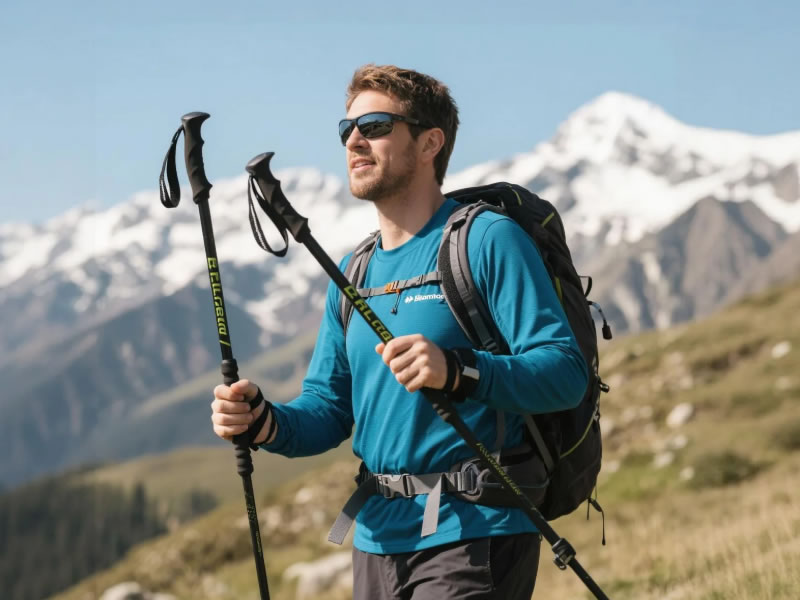
Recommended trekking pole purchase link:https://s.click.aliexpress.com/e/_c4M7OWaN
Understanding the Core Philosophies
Before diving into the technical specs, it is crucial to understand that these two poles were designed for different athletes. The Alpine Carbon Cork is built for the alpinist, the ski mountaineer, and the rugged backpacker who needs reliability in volatile environments. The Trail Ergo , as the name suggests, is built for the dedicated hiker who spends long days on undulating terrain and prioritizes hand comfort above all else.
Construction and Materials
Black Diamond Alpine Poles:
The Alpine line is renowned for its robust construction. The Alpine Carbon Cork utilizes a three-section folding design rather than traditional telescoping mechanisms. This makes them incredibly packable—a critical feature for climbers who need to stash poles in a backpack for a scramble. They are made with high-modulus carbon fiber, which provides an excellent strength-to-weight ratio. However, the folding design means they lack the adjustability range of telescoping poles. They are designed to be cut to a specific length (within a range) for your intended use.
Black Diamond Trail Ergo Poles:
The Trail Ergo poles are typically telescoping (often featuring Black Diamond’s renowned FlickLock+ technology). This gives them a massive range of adjustability, allowing one pole to work for steep ascents, flat traverses, and technical descents. They are often constructed from aluminum alloys, making them virtually indestructible on rocky trails. If you frequently lend gear to friends or hike in groups with varying height requirements, the adjustability of the Trail Ergo is a significant advantage.
Grip and Ergonomics: The Deciding Factor
This is where the distinction between the two models becomes most apparent.
Trail Ergo Comfort:
The "Ergo" in Trail Ergo stands for ergonomics. These poles feature a patented, contoured grip that is anatomically shaped to fit the natural curve of your hand. This design promotes a neutral wrist position, which significantly reduces strain and fatigue during long days. The grip flows seamlessly into a padded extension, allowing you to choke down on the pole for traverses without your hand slipping onto sharp metal or carbon. If you suffer from arthritis, carpal tunnel, or simply value comfort, the Trail Ergo grip is a game-changer.
Alpine Simplicity:
The Alpine poles utilize a classic cork grip. Cork is favored by purists because it absorbs sweat (preventing blisters), conforms to your hand over time, and does not get freezing cold in alpine conditions like foam or rubber can. While comfortable, it lacks the specialized anatomical shaping of the Trail Ergo. The choice here comes down to climate and duration: Cork for cold, dry alpine air; Ergo foam for all-day, repetitive motion comfort on the trail.
Adjustability and Features
FlickLock vs. Fixed Length:
The Trail Ergo’s telescoping design with FlickLocks allows you to change the length of your pole on the fly. If you are hiking a rolling hill trail where the angle changes every 20 minutes, this is essential.
The Alpine’s folding design is faster to deploy from a pack but offers minimal on-trail adjustment. You set them to your preferred length before the trip, and that is where they stay. This makes them lighter and cleaner but less versatile for varied terrain.
Baskets and Terrain:
The Alpine poles typically come with interchangeable baskets suitable for snow (included with some models) and dirt. They are ready for glacial travel or muddy spring hikes. The Trail Ergo poles usually ship with standard trekking baskets, optimized for dirt and gravel paths.
Weight and Packability
If you are counting grams for a multi-day mountaineering push, the Alpine wins. The folding carbon design packs down smaller than any telescoping pole and slides easily into a suitcase or backpack side pocket. The Trail Ergo , being aluminum and telescoping, is slightly heavier and bulkier when collapsed, but the trade-off is the aforementioned durability and adjustability.
The Verdict: Which is Better?
There is no single "better" pole—only the right tool for the job.
Choose the Black Diamond Alpine if:
- You are a climber or ski mountaineer needing poles that pack small.
- You primarily hike in alpine zones above the treeline.
- You prefer the natural feel of cork and do not need to change pole length frequently.
- Weight savings is your top priority.
Choose the Black Diamond Trail Ergo if:
- You are a dedicated day hiker or thru-hiker covering 10+ mile days.
- You hike on varied terrain requiring constant length adjustments.
- You have hand or wrist pain and need an ergonomic grip solution.
- You prefer the durability and repairability of aluminum over carbon.
Final Thought:
Both poles carry the Black Diamond legacy of durability. If your adventures take you from the valley floor to the summit ridge with a consistent grade, the Trail Ergo will keep your hands happy all day. If your adventure involves scrambling, snow, and stuffing your poles in a pack for the crux move, the lightweight and packable Alpine is your best bet.
Which one fits your next adventure? Let us know in the comments below




