




Costco walking poles vs name brands walking poles– worth the savings?
Walking into Costco, you might spot a set of trekking poles for $39.99 and wonder: Why would anyone spend $150 on Black Diamond or Leki? It is a fair question. At first glance, they all look like sticks with handles. But the difference between budget Costco poles and premium name-brand poles goes far deeper than price tag—it is a difference in philosophy, durability, and long-term value. Understanding whether the savings are worth it depends entirely on how you hike, how often you hike, and what you expect from your gear.
Recommended trekking pole purchase link:https://s.click.aliexpress.com/e/_c4M7OWaN
The Initial Investment: Tempting vs. Painful
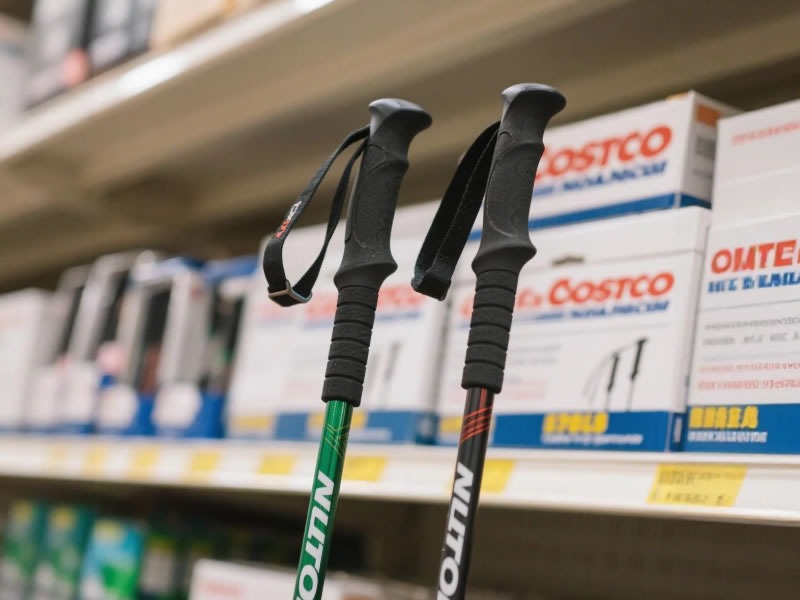
Costco Poles: Typically sold in pairs under brands like "Cascade Mountain Tech" or "Trekology," these poles often cost between $30 and $50. For casual hikers, this feels like a steal. You get two poles, maybe even cork grips and flick-locks, all for the price of a dinner out.
Name Brand Poles: Black Diamond, Leki, REI, and Komperdell routinely price their poles between $100 and $200. That initial purchase stings. You find yourself hesitating, wondering if a stick is really worth that much money.
But gear purchases should be evaluated on cost per use, not initial outlay.
Construction Quality: The Hidden Differences
Costco Poles:
Budget poles often use lower-grade aluminum or cheaper carbon fiber blends. The locking mechanisms may work well for a season, but they are prone to slipping over time. The tolerances are looser, meaning sections can wobble. The carbide tips are often softer and wear down faster. Most critically, the components are proprietary—if a basket breaks or a tip wears out, you likely cannot find replacements. When the pole breaks, the entire set goes in the trash.
Name Brand Poles:
Premium manufacturers invest in higher-grade materials. Black Diamond's aluminum alloys are heat-treated for strength. Leki's locking mechanisms undergo thousands of test cycles. The baskets, tips, and even grip assemblies are designed to be replaceable. If you wear out a tip after 500 miles, you buy a $10 replacement and keep using the poles for another 500 miles. This repairability is the single biggest factor separating budget from premium.
Performance on the Trail
Vibration Damping and Comfort:
Name brand poles often feature advanced vibration-damping technology. Leki's "Aergon" grips and Black Diamond's foam/cork combinations are ergonomically shaped to reduce hand fatigue. Budget poles may look similar, but the foam density, shape, and strap quality are usually inferior. After eight hours on rocky terrain, your hands will feel the difference.
Locking Reliability:
Nothing ruins a hike like a pole that slowly telescopes shorter with every step. Budget flick-locks can loosen throughout the day, requiring constant readjustment. Premium locks (like Black Diamond's FlickLock+ or Leki's Speed Lock) maintain tension reliably and can be field-serviced with a simple Allen wrench.
Who Benefits from Costco Poles?
Costco poles are absolutely worth it for:
- Casual hikers who hit the trails 2-3 times per year.
- Families buying poles for growing kids who will outgrow them quickly.
- Travelers who want inexpensive poles they won't cry over if lost or damaged.
- Beginners unsure if trekking poles are for them.
In these cases, spending $40 makes perfect sense. If the poles last a few seasons, you have gotten your money's worth.
Who Should Invest in Name Brands?
Premium poles are essential for:
- Frequent hikers logging 20+ trail days annually.
- Thru-hikers and backpackers who depend on gear reliability.
- Heavy packers carrying significant weight that stresses poles.
- Hikers with joint issues who benefit from superior ergonomics and vibration damping.
- Environmentalists who prefer repairable gear over disposable products.
The Long-Term Value Calculation
Let's do the math:
- Costco poles ($40): Last 1-2 years of regular use. Replace when broken.
- Name brand poles ($150): Last 5-10 years with replaceable parts.
If you hike 20 days per year, Costco poles cost about $1-2 per hike. Name brand poles cost about $0.75-1.50 per hike over their lifespan—comparable or cheaper. And you get better performance every single time.
The Verdict: Worth the Savings?
| Your Hiking Style | Recommendation |
|---|---|
| Occasional (1-5 times/year) | Costco poles are perfect |
| Regular (6-20 times/year) | Consider name brands |
| Frequent (20+ times/year) | Invest in name brands |
| Heavy backpacking | Name brands essential |
| Trying poles for first time | Start with Costco |
The honest answer: Costco poles are absolutely worth the savings for the right user. If you are a casual hiker, save your money and enjoy the trails. But if hiking is a serious part of your life, the upfront investment in quality name-brand poles pays dividends in comfort, reliability, and sustainability for years to come.
How often do you hike? Let that answer be your guide.




