




Carbon fiber vs carbon composite walking poles – difference?
When shopping for trekking poles, you will encounter two similar-sounding terms: carbon fiber and carbon composite. Many hikers assume they are the same thing, but this confusion can lead to unexpected performance, durability, and weight differences on the trail. Understanding the distinction between pure carbon fiber and carbon composite materials is essential for making an informed purchase that matches your hiking style, budget, and performance expectations.
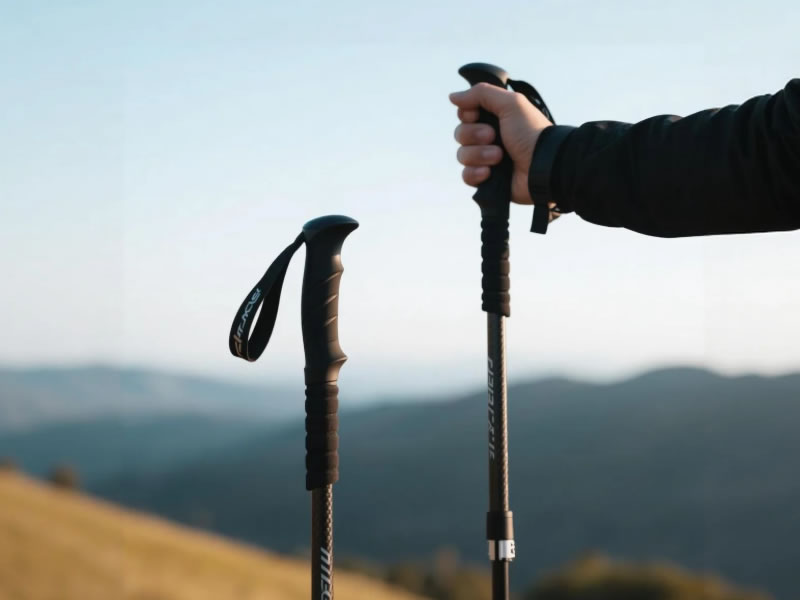
Recommended trekking pole purchase link:https://s.click.aliexpress.com/e/_c4M7OWaN
The Material Science Behind the Terms
Carbon Fiber: In the context of trekking poles, "carbon fiber" typically refers to poles constructed from woven carbon fiber sheets bonded with epoxy resin. The carbon content is high, and the manufacturing process prioritizes stiffness and weight savings. These poles are engineered for maximum performance, with precise layup schedules that optimize strength-to-weight ratios.
Carbon Composite: This term is broader and often less specific. Carbon composite poles contain carbon fibers mixed with other materials—most commonly fiberglass, but sometimes Kevlar, basalt, or additional resins. The carbon content can vary dramatically, from as low as 30% to perhaps 70%. The "composite" designation simply means multiple materials are combined.
Performance Characteristics
Pure Carbon Fiber Poles:
- Stiffness: High-modulus carbon fibers create an exceptionally rigid pole. When you plant it, energy transfers directly with minimal flex.
- Weight: These are the lightest poles available, often under 8 ounces per pair.
- Vibration Damping: Pure carbon absorbs trail shock beautifully, reducing arm fatigue on rocky descents.
- Sensitivity: High-performance carbon can be brittle. A sharp impact or lateral stress may cause cracking or shattering.
Carbon Composite Poles:
- Flexibility: The inclusion of fiberglass or other materials adds flexibility. Composite poles bend slightly under load rather than remaining perfectly rigid.
- Weight: Heavier than pure carbon, but still lighter than aluminum. Expect 10-14 ounces per pair.
- Durability: Fiberglass adds impact resistance. Composite poles are less likely to snap catastrophically if jammed between rocks.
- Feel: More forgiving, but with less precise trail feedback.
Price and Value
Pure Carbon Fiber: Commands premium pricing, often $150-$250 per pair. You are paying for advanced materials engineering and meticulous quality control.
Carbon Composite: More affordable, typically $60-$120. The lower cost reflects cheaper materials and less rigorous manufacturing standards.
Durability Considerations
A common misconception is that "carbon" automatically means fragile. In reality:
- Pure carbon fails differently—it can develop stress fractures invisible to the eye, then fail suddenly under load.
- Carbon composite with fiberglass reinforcement is often tougher in day-to-day use. The fiberglass adds elasticity, allowing the pole to absorb impacts that would crack pure carbon.
However, pure carbon poles from reputable brands undergo rigorous testing to ensure they meet strength standards. Cheap composite poles may use poor-quality resins that degrade in sunlight or extreme temperatures.
Which Should You Choose?
Choose Pure Carbon Fiber if:
- You are a gram-counting ultralight hiker.
- You prioritize maximum stiffness and vibration damping.
- You handle your gear carefully and avoid abusing poles.
- Budget is secondary to performance.
Choose Carbon Composite if:
- You want carbon's benefits at a more accessible price.
- You prefer a slightly more forgiving, flexible feel.
- You hike on rocky terrain where impacts are common.
- You are new to carbon poles and want to test the category.
The Verdict
| Factor | Pure Carbon Fiber | Carbon Composite |
|---|---|---|
| Carbon Content | 90-100% | 30-70% (with fiberglass/other) |
| Weight | Ultralight (under 8 oz/pair) | Light (10-14 oz/pair) |
| Stiffness | Maximum | Moderate |
| Durability | Brittle under impact | More flexible, impact-resistant |
| Price | Premium ($150+) | Affordable ($60-120) |
The difference between carbon fiber and carbon composite walking poles is real and meaningful. Pure carbon delivers uncompromising performance for dedicated ultralight enthusiasts. Carbon composite offers a practical middle ground—lighter than aluminum, tougher than pure carbon, and easier on the wallet.
Know what you are buying. The label "carbon" tells only part of the story.




